Afterglow
Artist: Grace Kalyta
Dates: April 30 to June 13, 2026
Opening: Thursday, April 30, 2026, from 5-7 p.m.
Venue : Pangée, 1305 ave des Pins Ouest, Montreal
-
The room as an eclipse
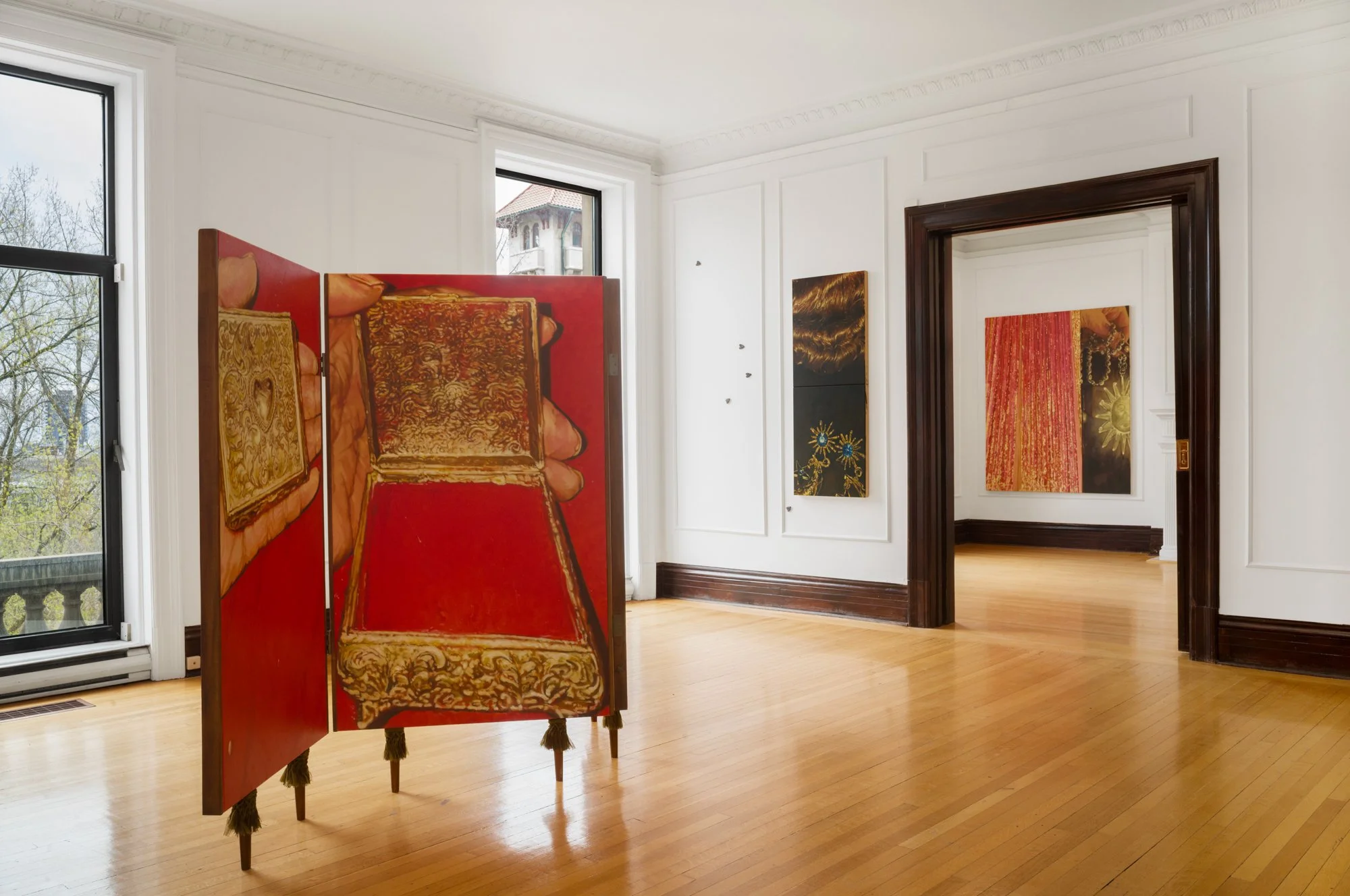
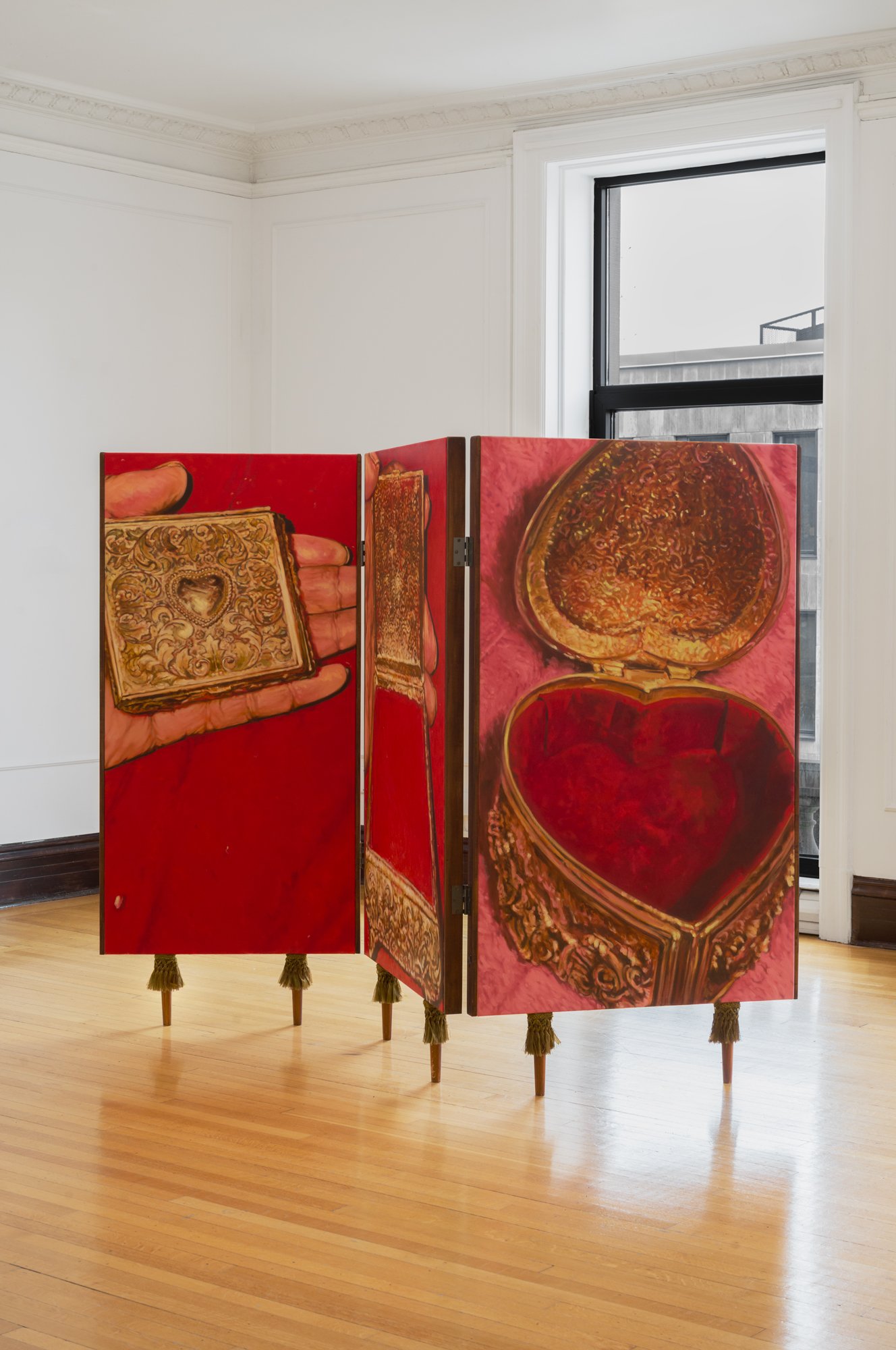
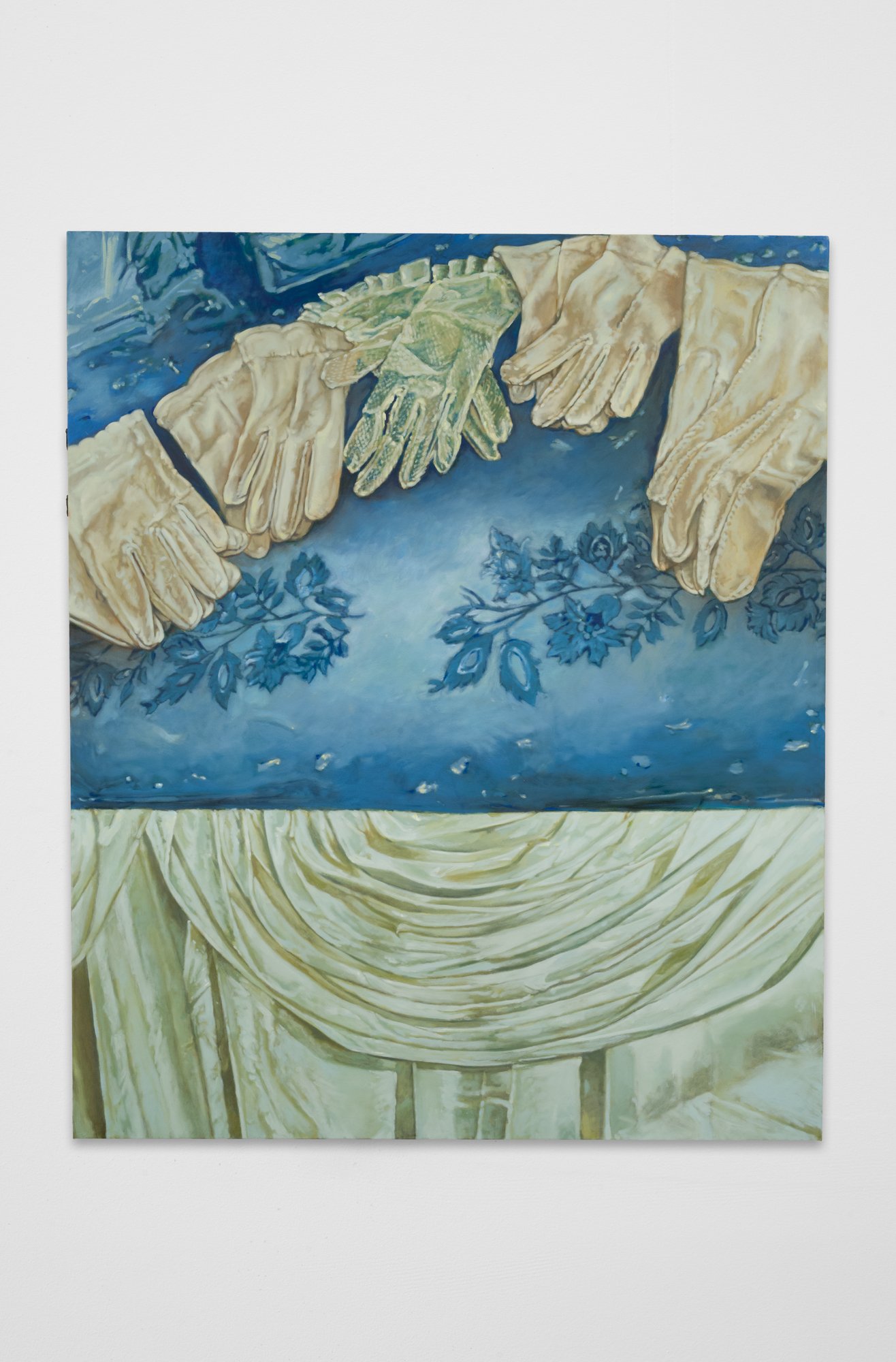
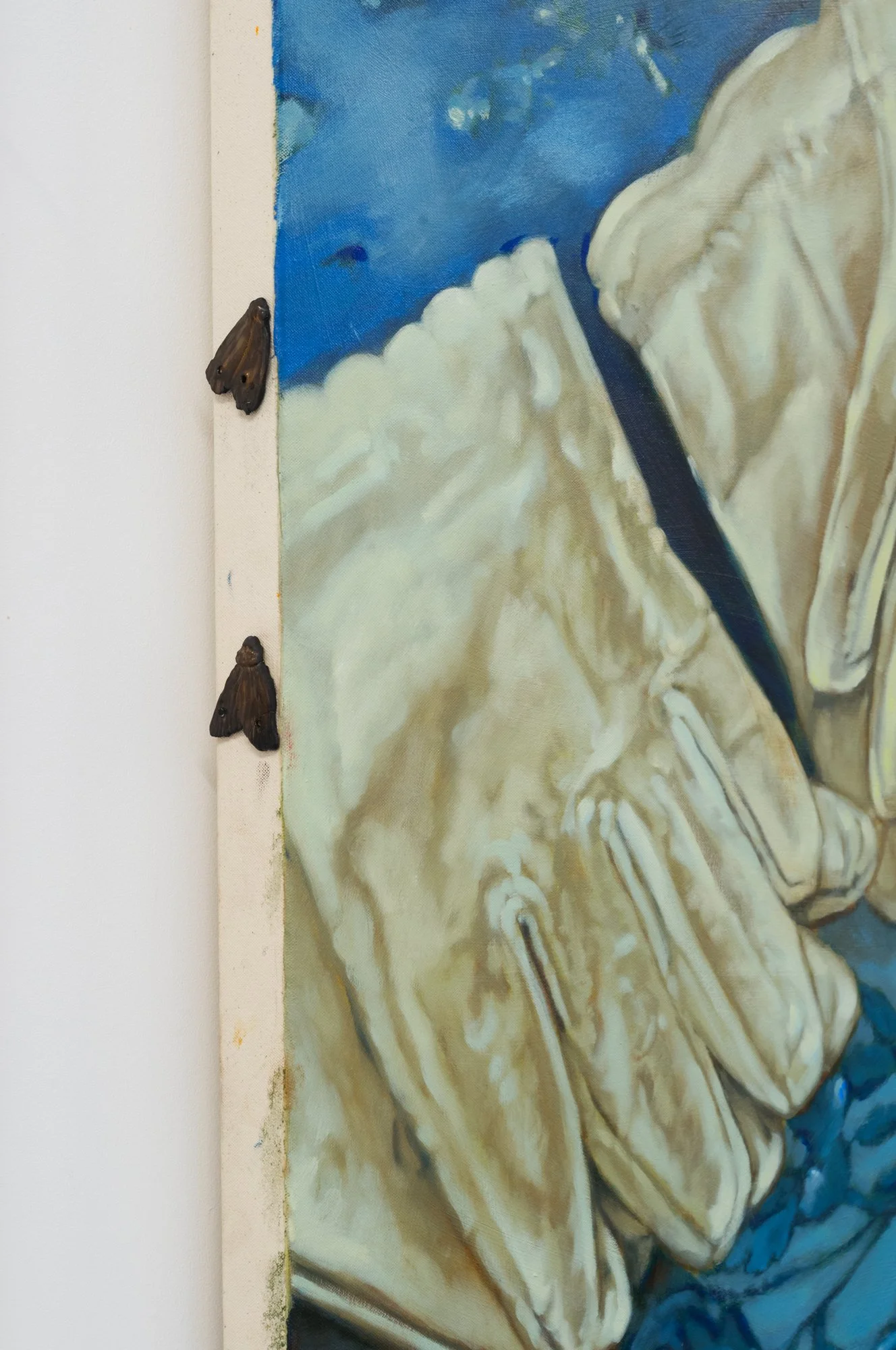
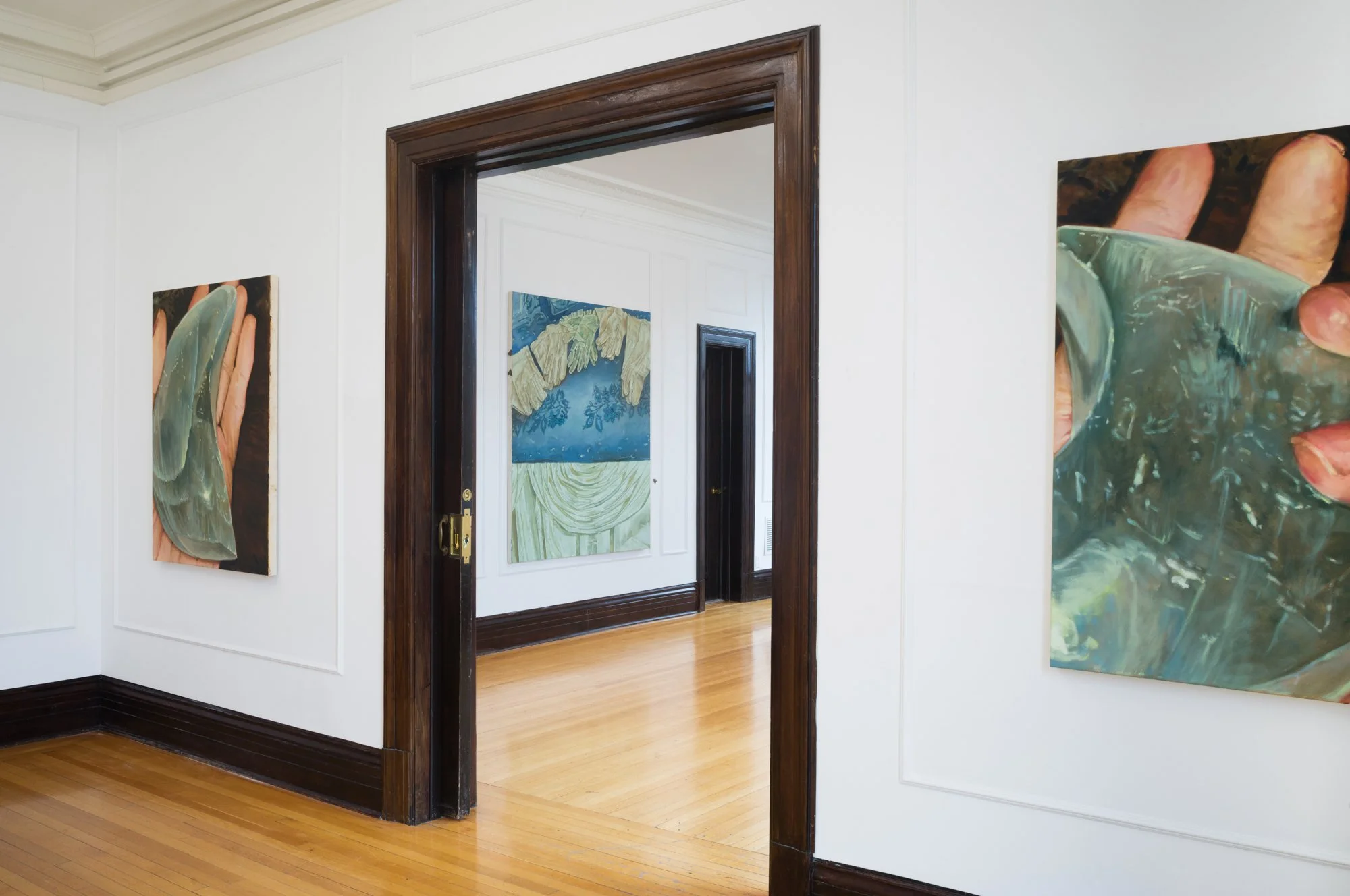
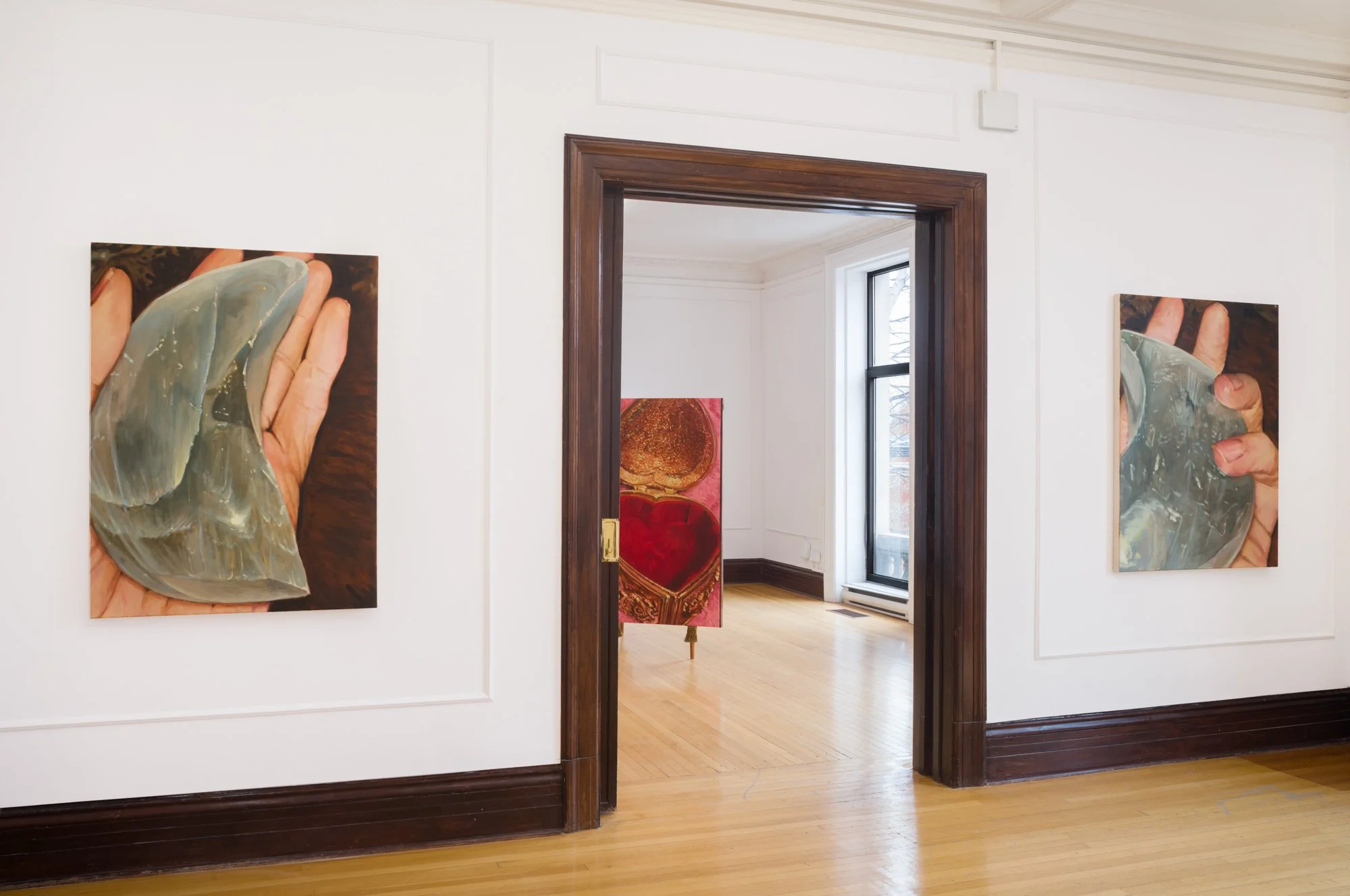
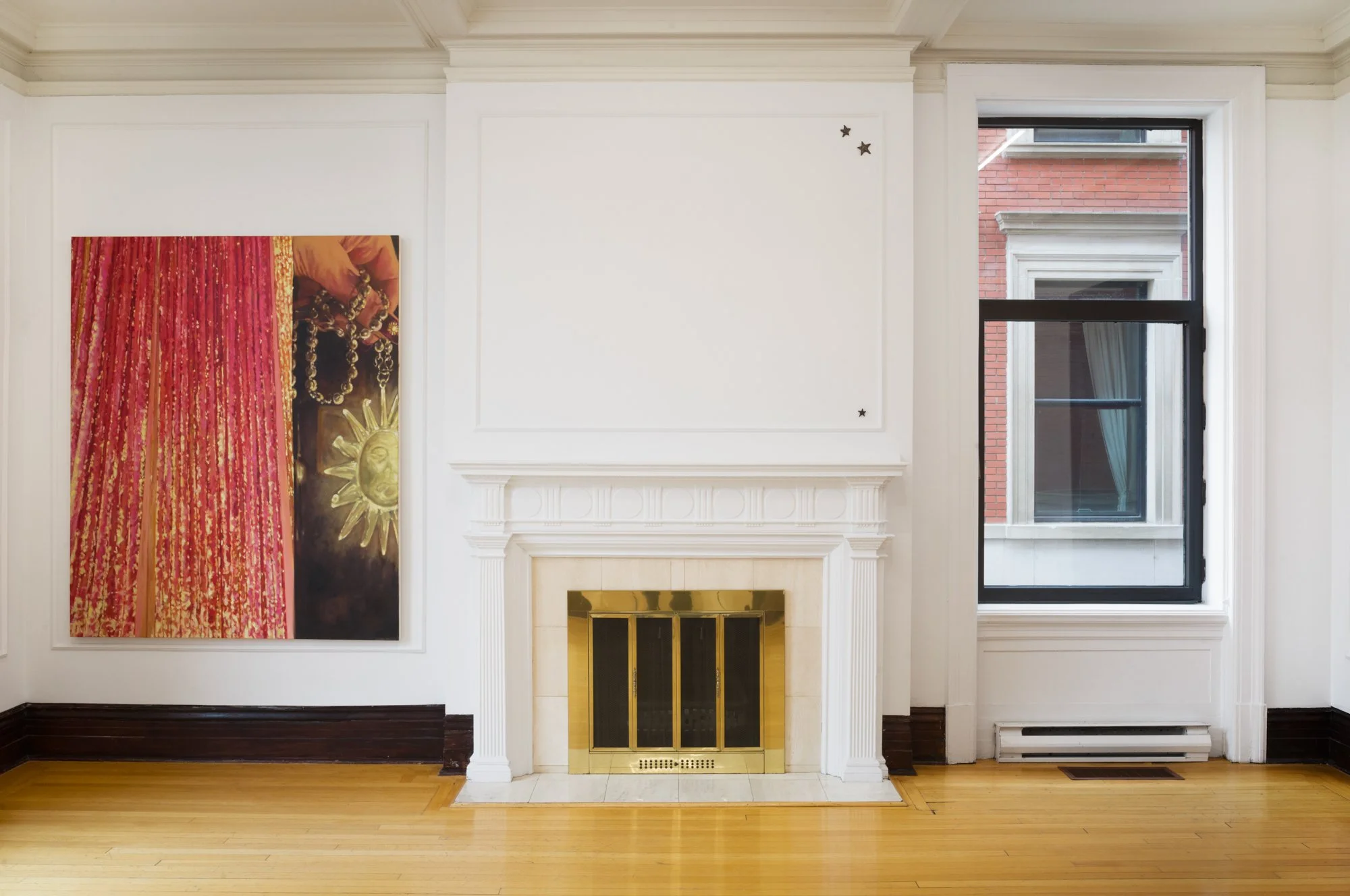
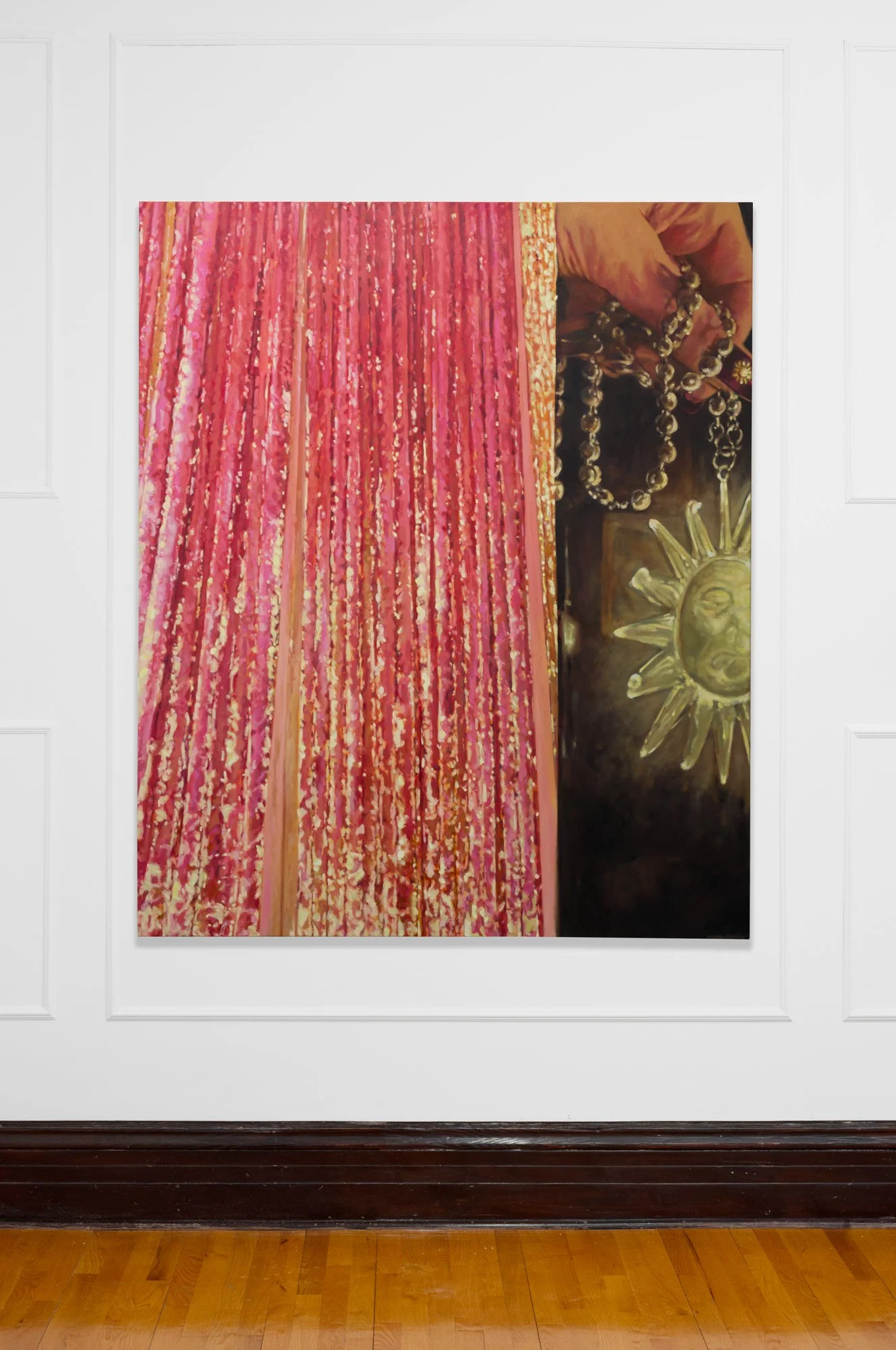
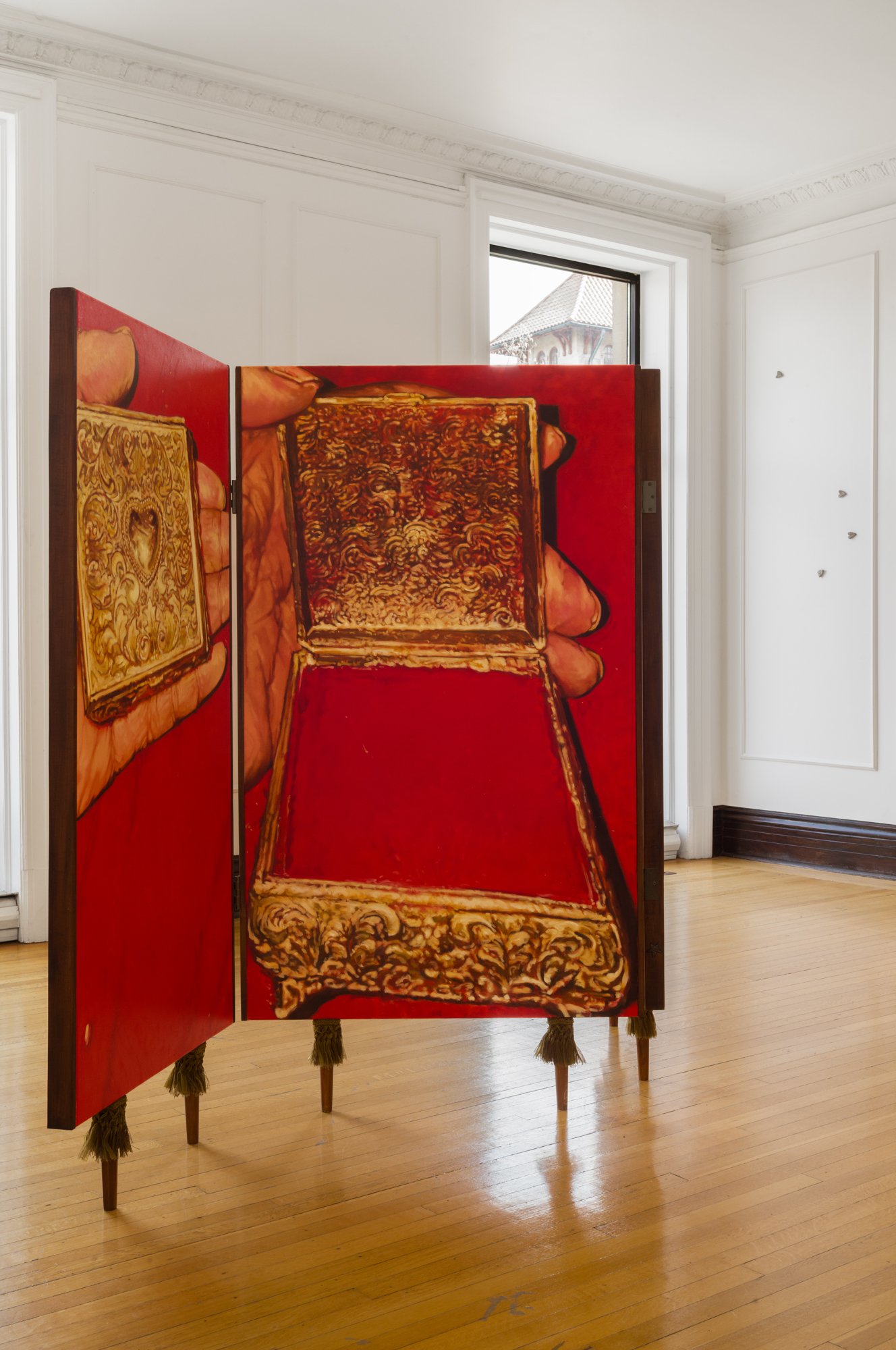
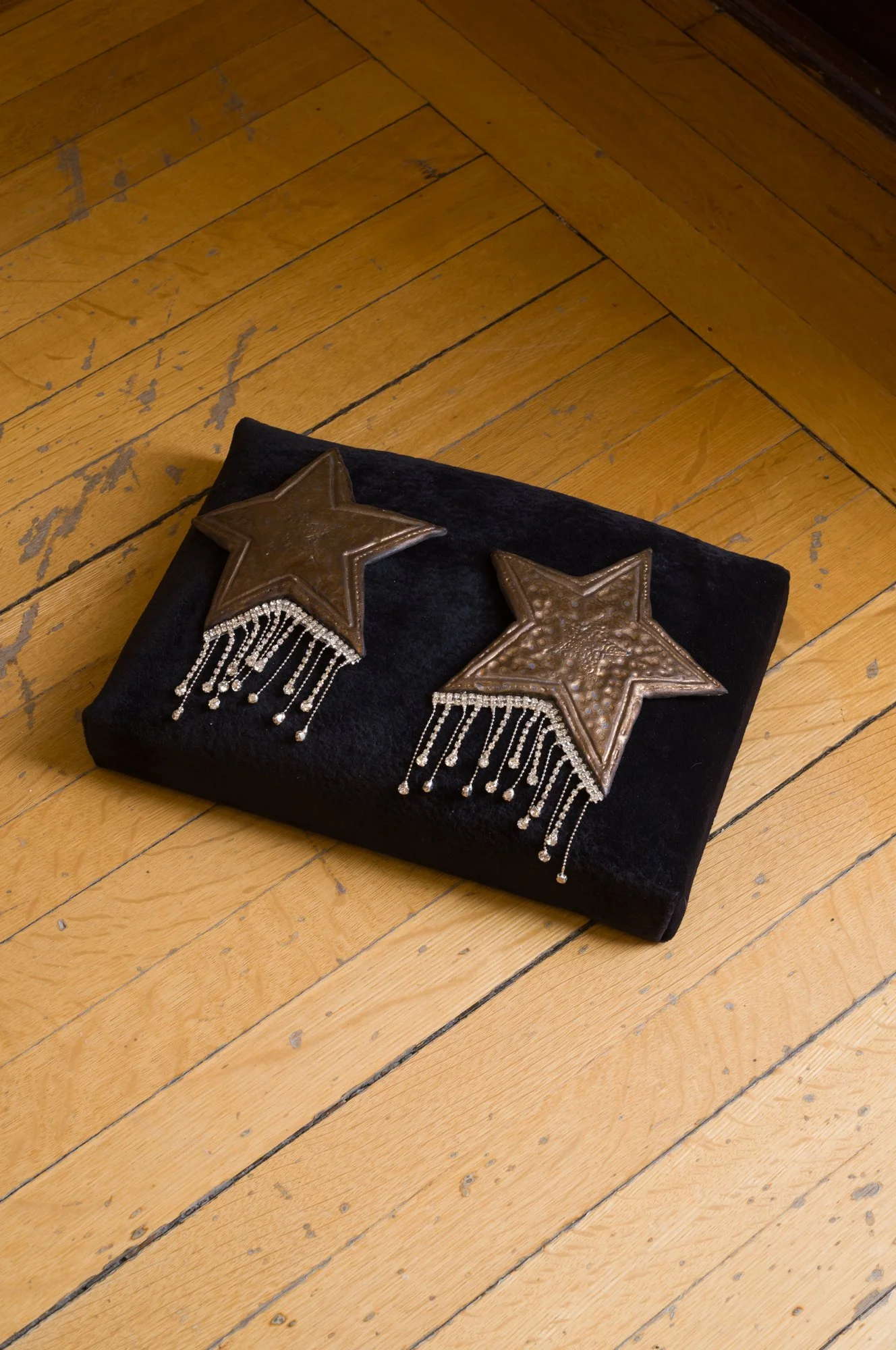
A room, at night. A silhouette kindled in a noctilucent glow. Ageless hands present an inner world: a collection of small artifacts side by side. Trinkets, one might say, a term sometimes applied to diminish an object’s value, material, and affect. Feeling the definite boundary between a body and an object’s shape, the hands cherish what it holds, treating the collection as an extension of the intimate self.
The value these items hold owes nothing to the laws of the market. Everything stems from the intimate bond woven by those who take the time to make them and those who later hold them. What we keep as precious to ourselves tells as much, if not more, than what we display.
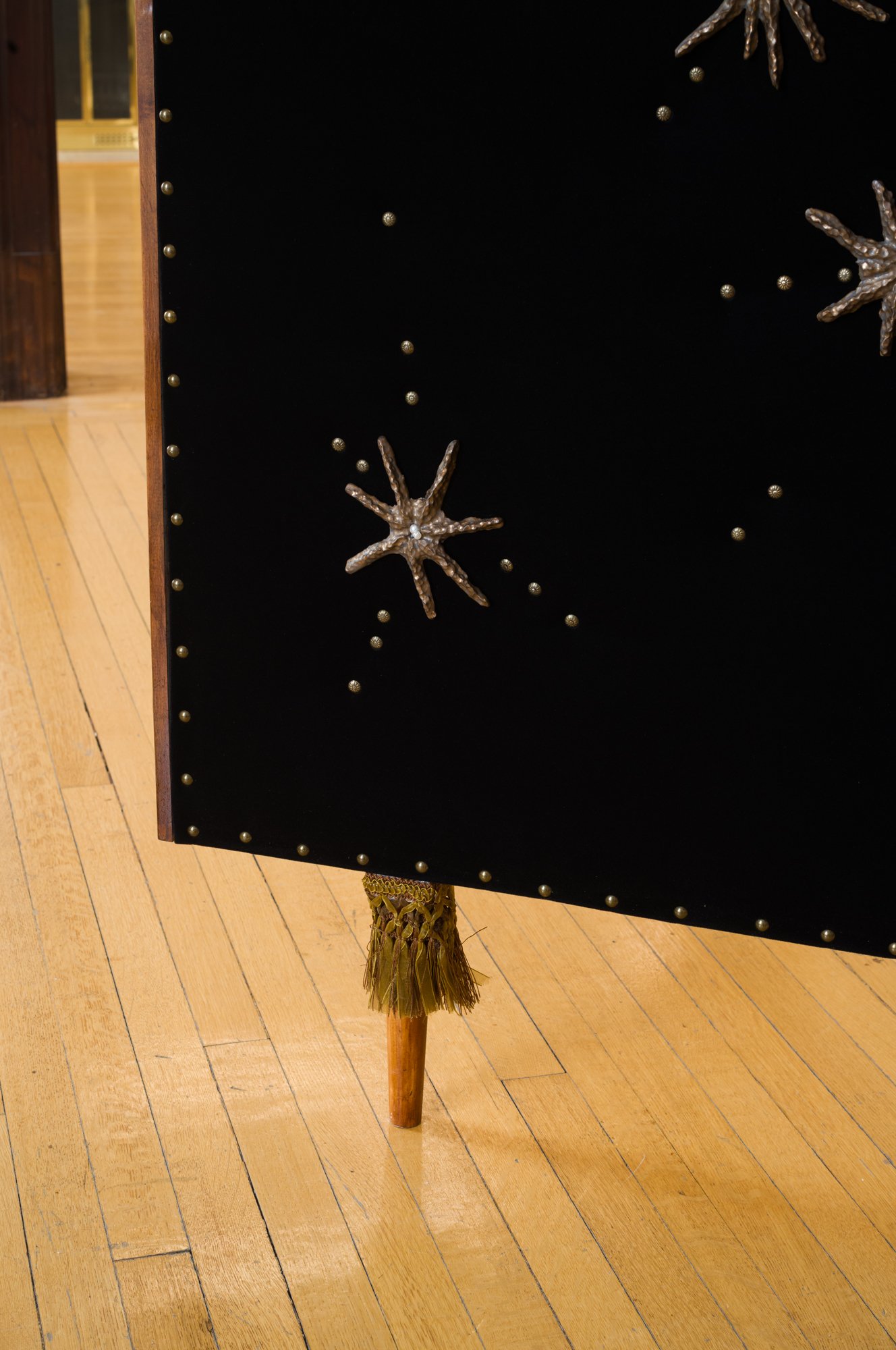
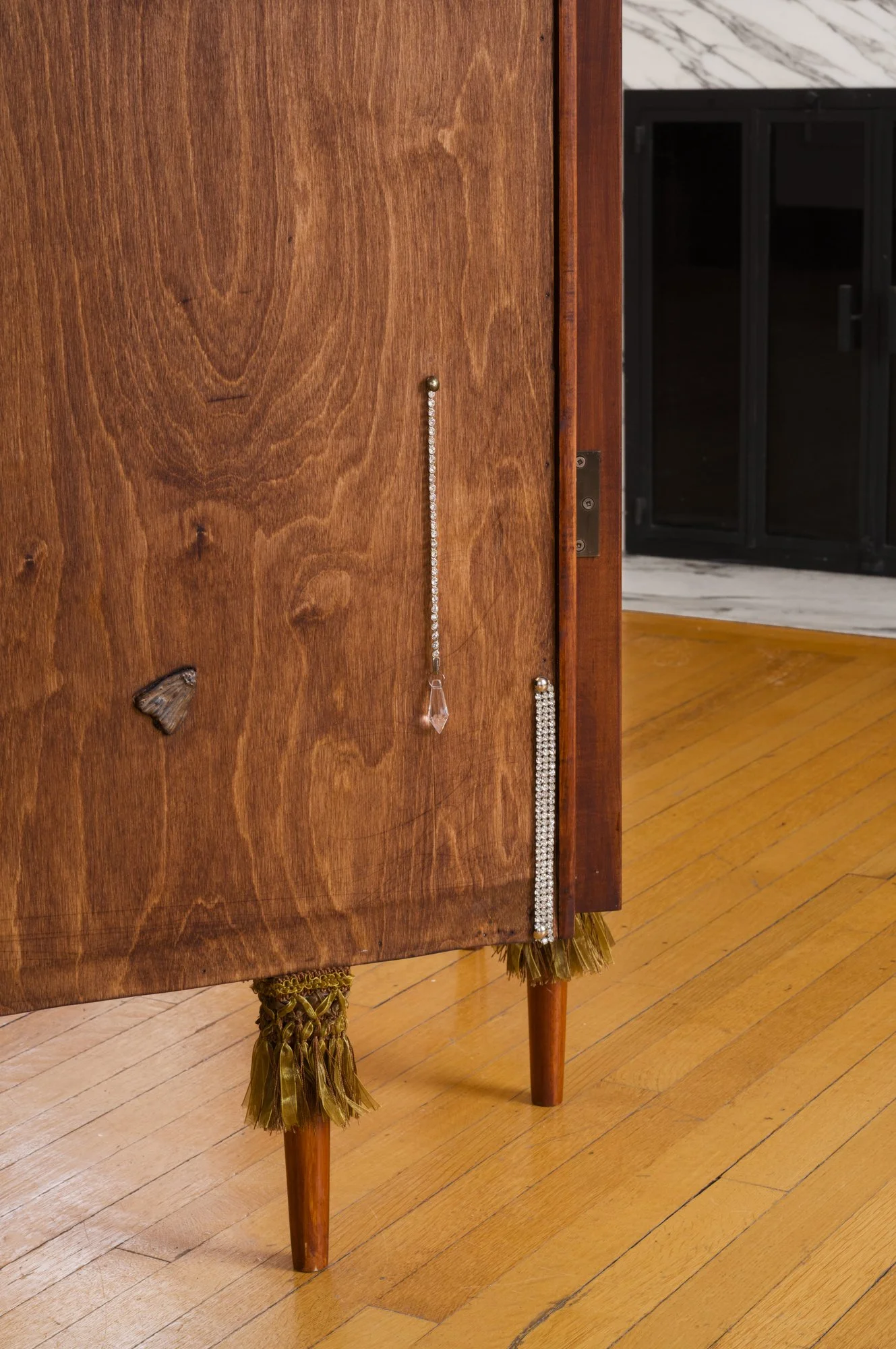
A bedroom screen functions to compartmentalize the intimate within the intimate. In contexts where the bedroom isn’t a fully private space, the screen acts as a precise delineation, safeguarding secrecy where the body is allowed to exist, concealing it from a broader view. Held with fingertips, the familiar (phone) screen creates an inversion: whereas the bedroom screen conceals, the latter opens a two-way portal into the private sphere. A screen changes from something intended to protect intimacy to the very thing that invades it.
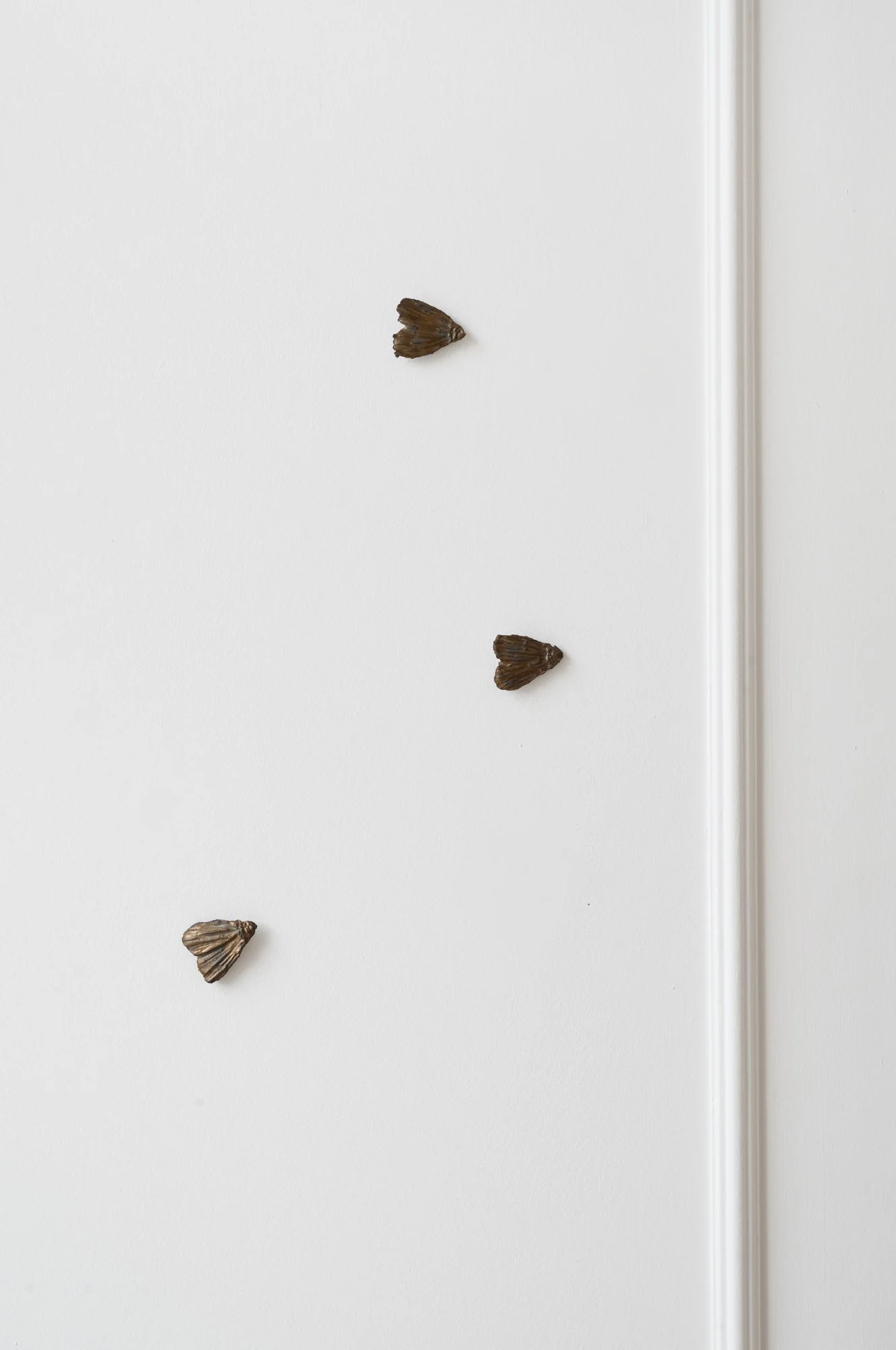
Grace Kalyta’s work investigates what the display of one’s possessions conceals rather than what it reveals. This shift is as political as it is poetic. Silvia Federici reminds us that when some medieval women were said to be possessed (their knowledge criminalized, their spiritualities deemed deviant), others would go out in the moonlight to tear down the fences of new enclosures that nascent capitalism implemented to strip communities of shared lands.
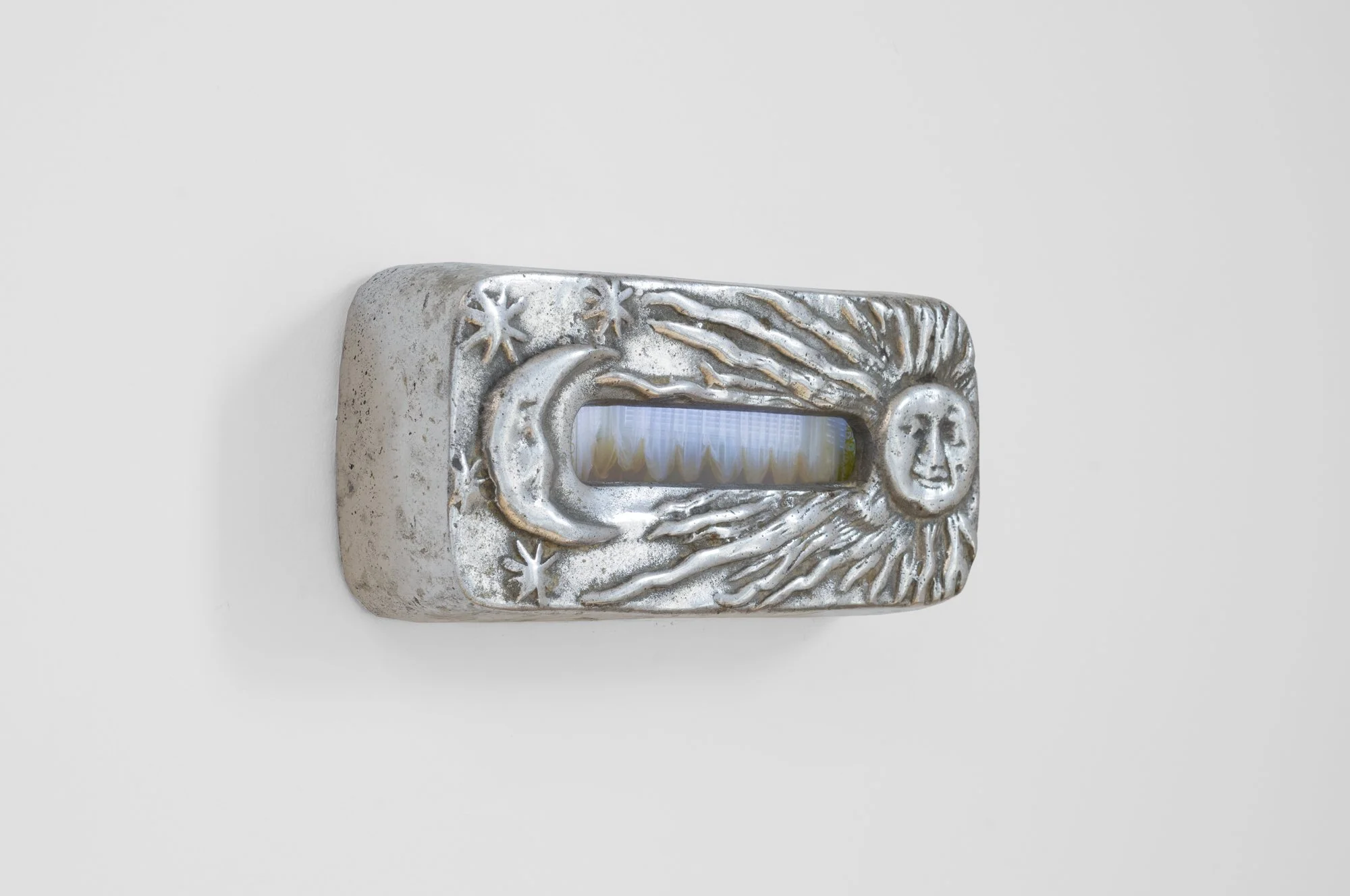
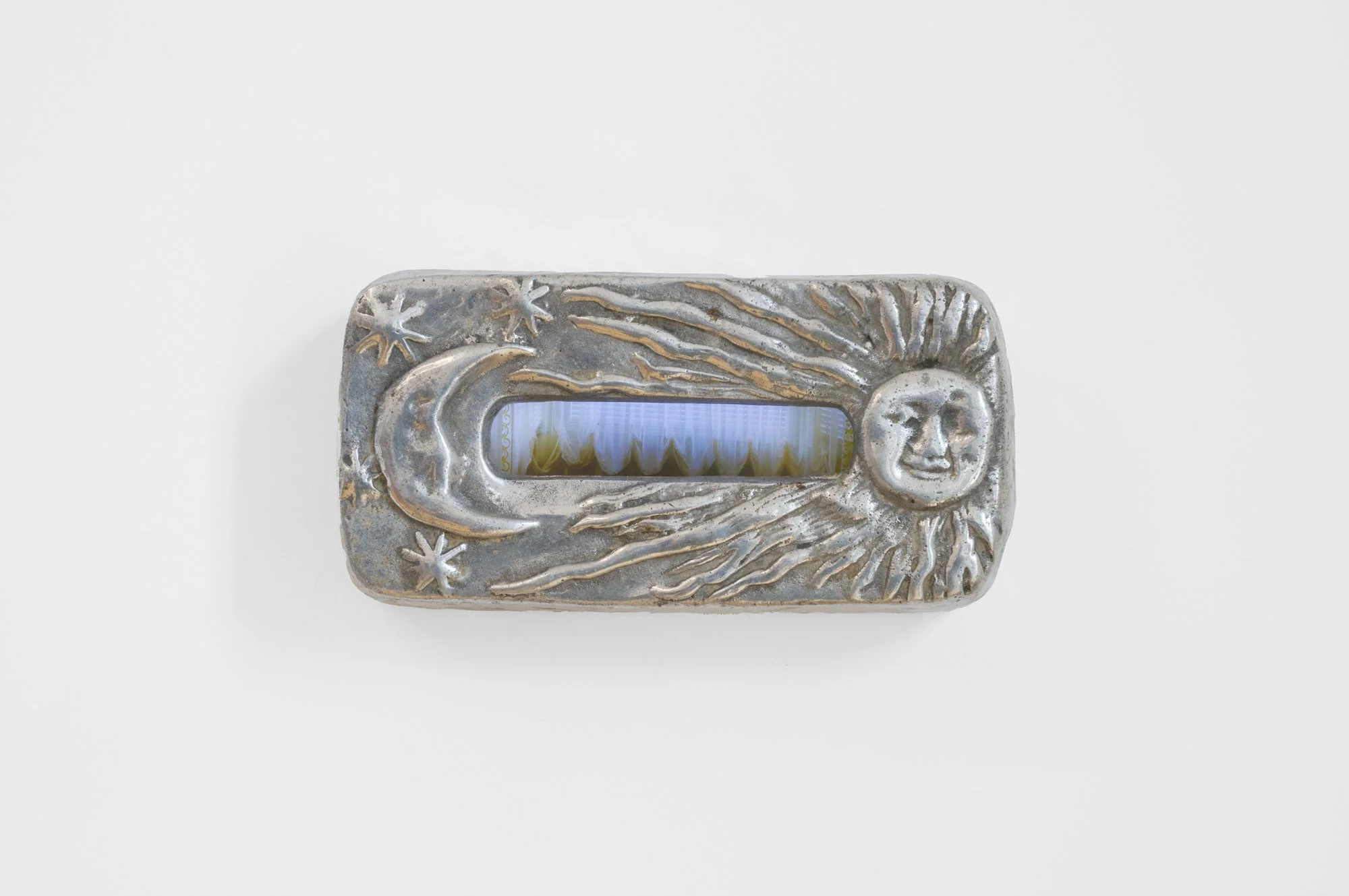
Our beds are henceforth lit by small portable moons. The image of a silhouette building a world of treasures belongs to a bygone age. The transitional object has been substituted by the phone, which functions inversely: rather than consolidating an intimate boundary between oneself and the world, it dissolves it. The moon that once illuminated communal actions in a shared space, now only lights a face in the secluded space of a bed.
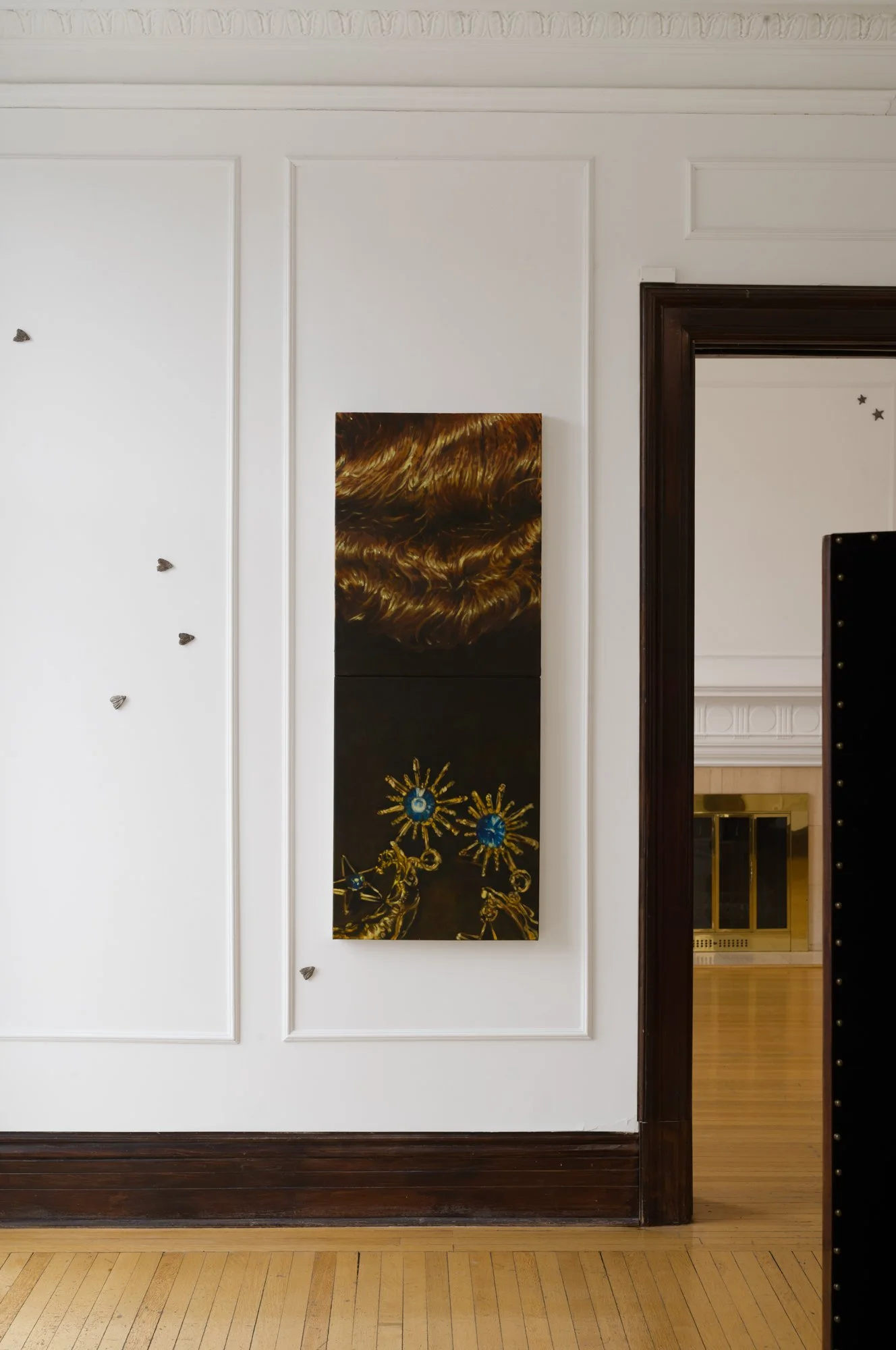
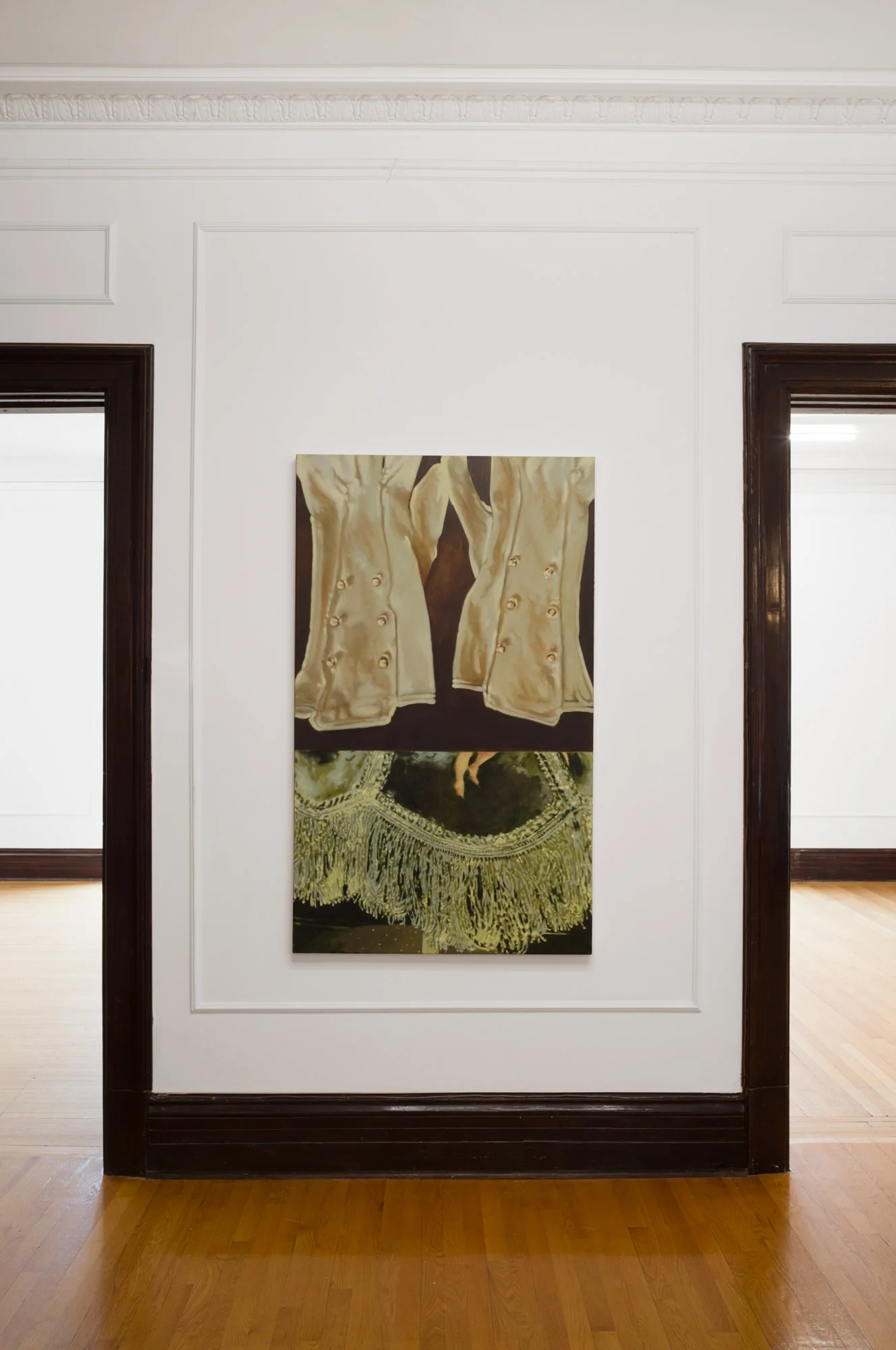
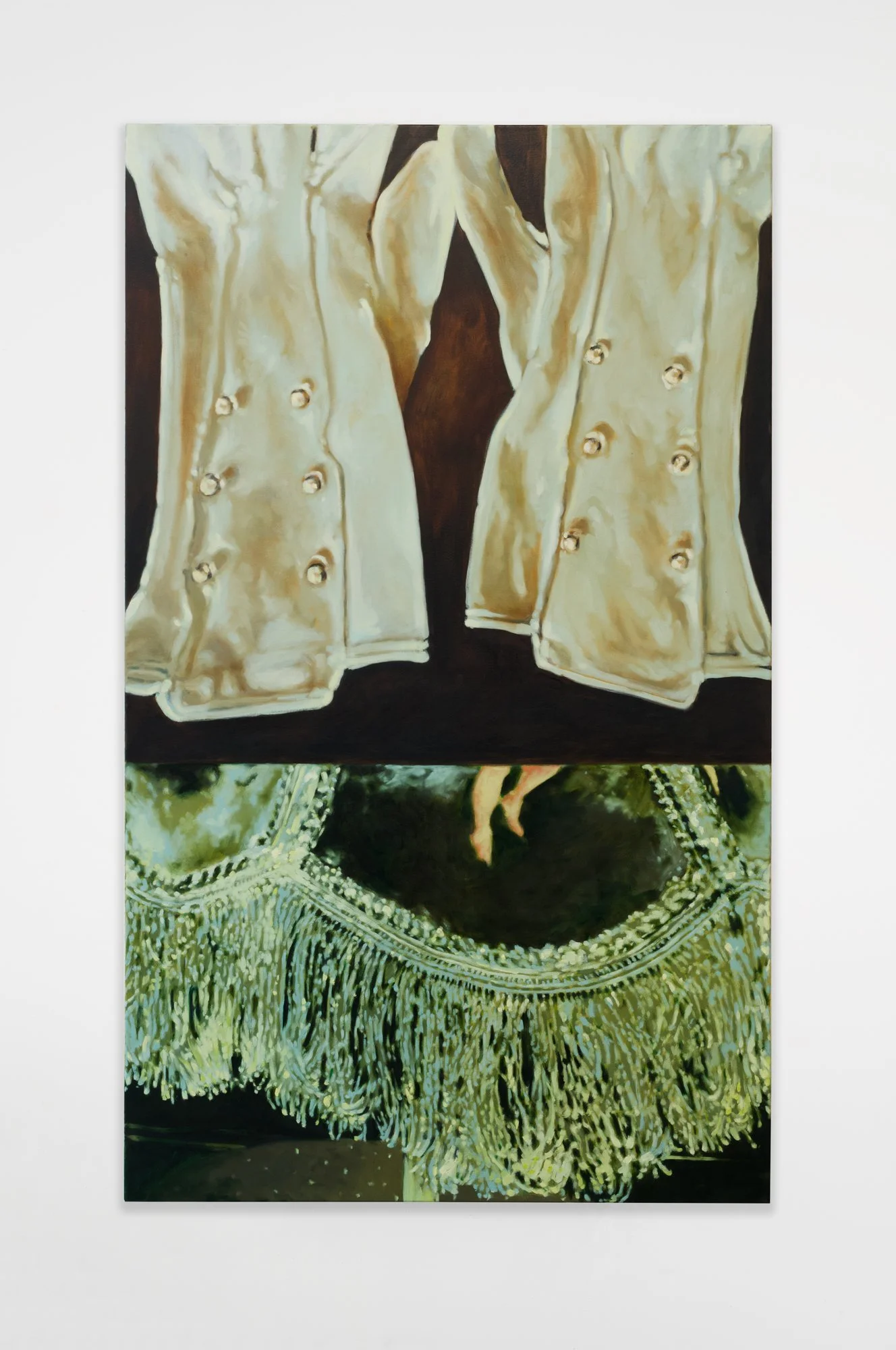
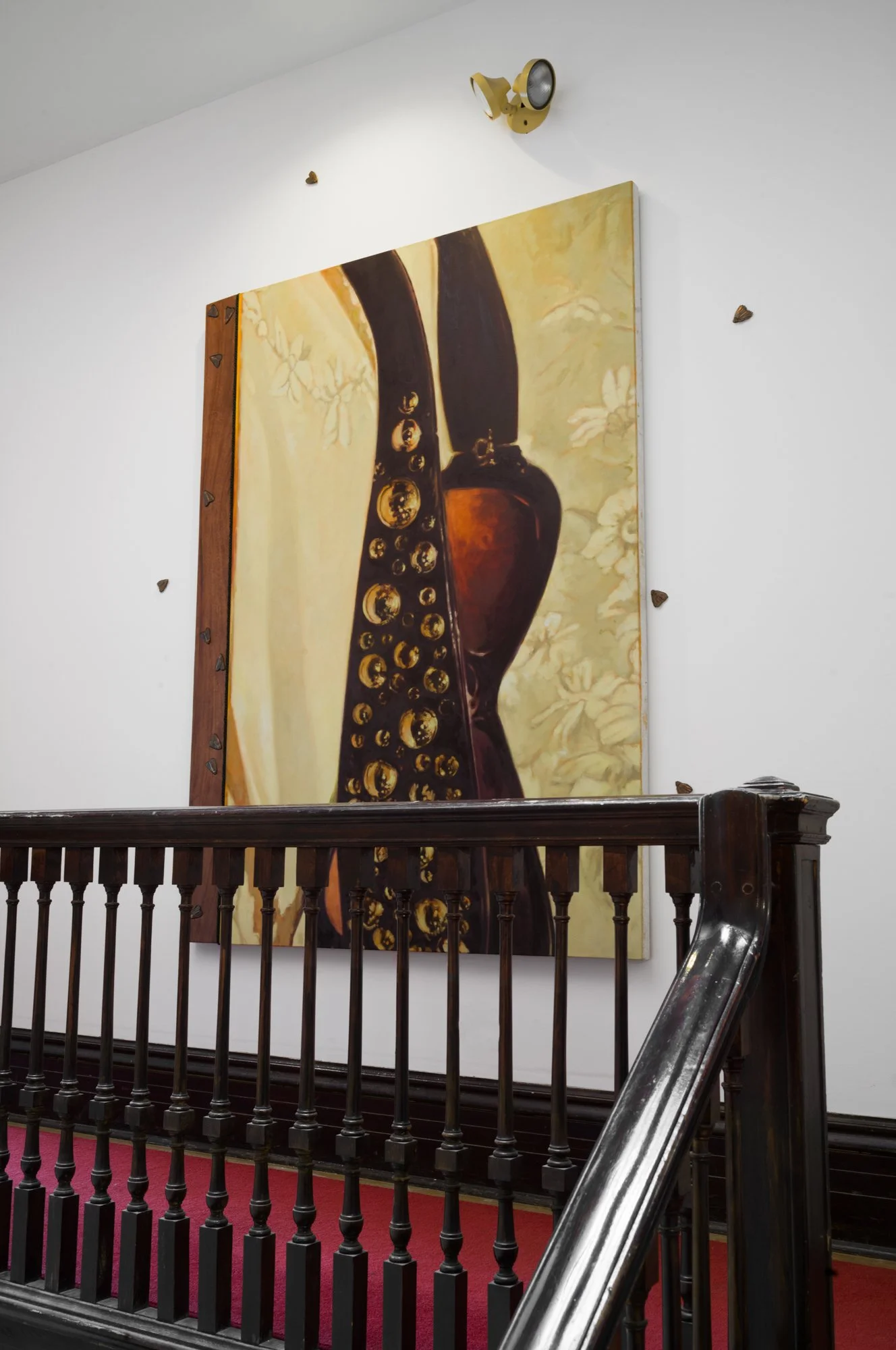
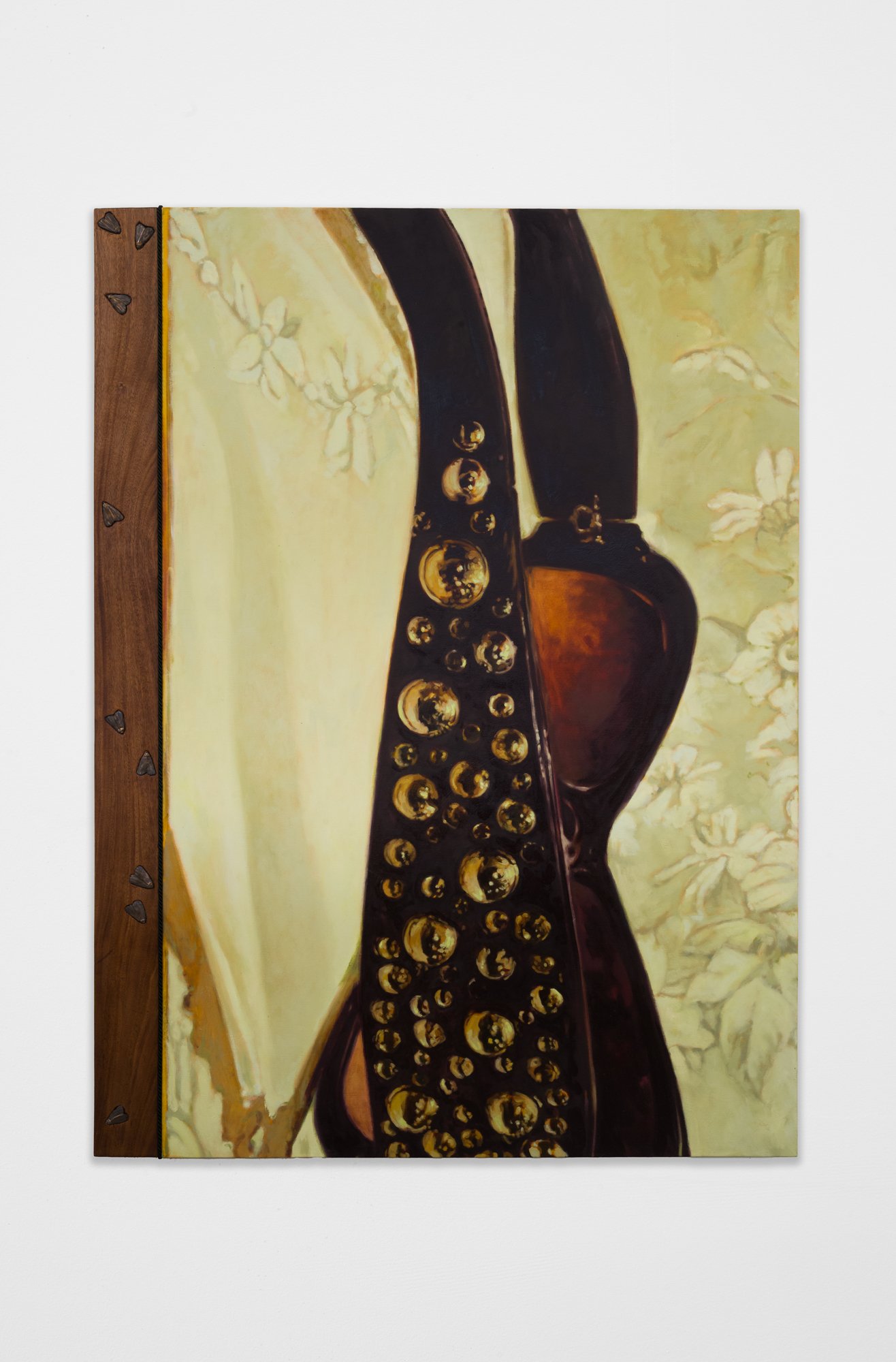
Kalyta paints from her phone’s screen, a practice she calls snapshot realism. The vibrancy of the colours and contrasts in her paintings is directly influenced by the screen’s backlit OLED technology. As the trinkets pass from screen to canvas, they retain a piece of their emotional load, but something else eludes us. The phone has functioned as a darkroom: what emerges from it, now enlarged, is no longer quite what we thought we were holding.
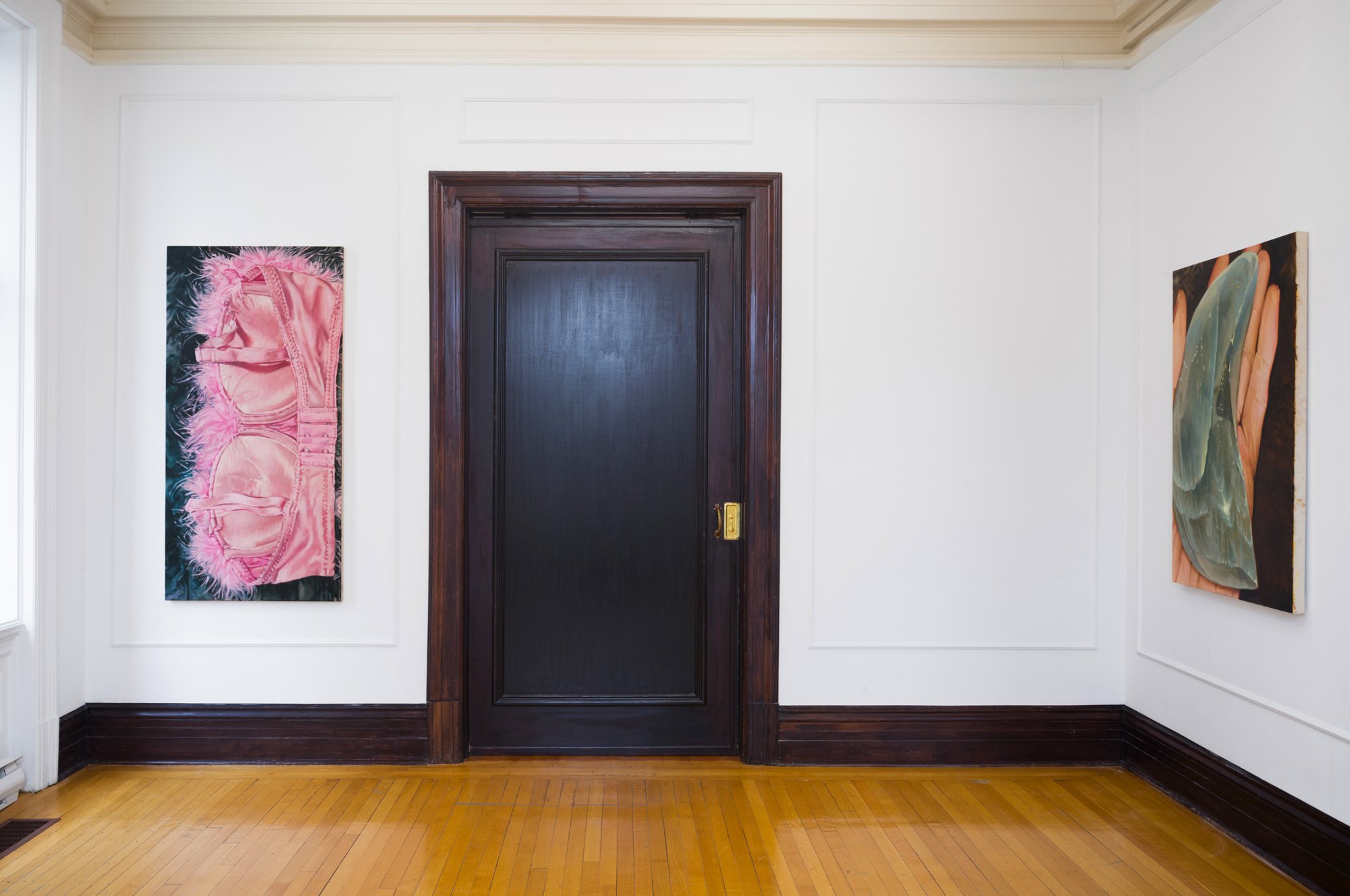
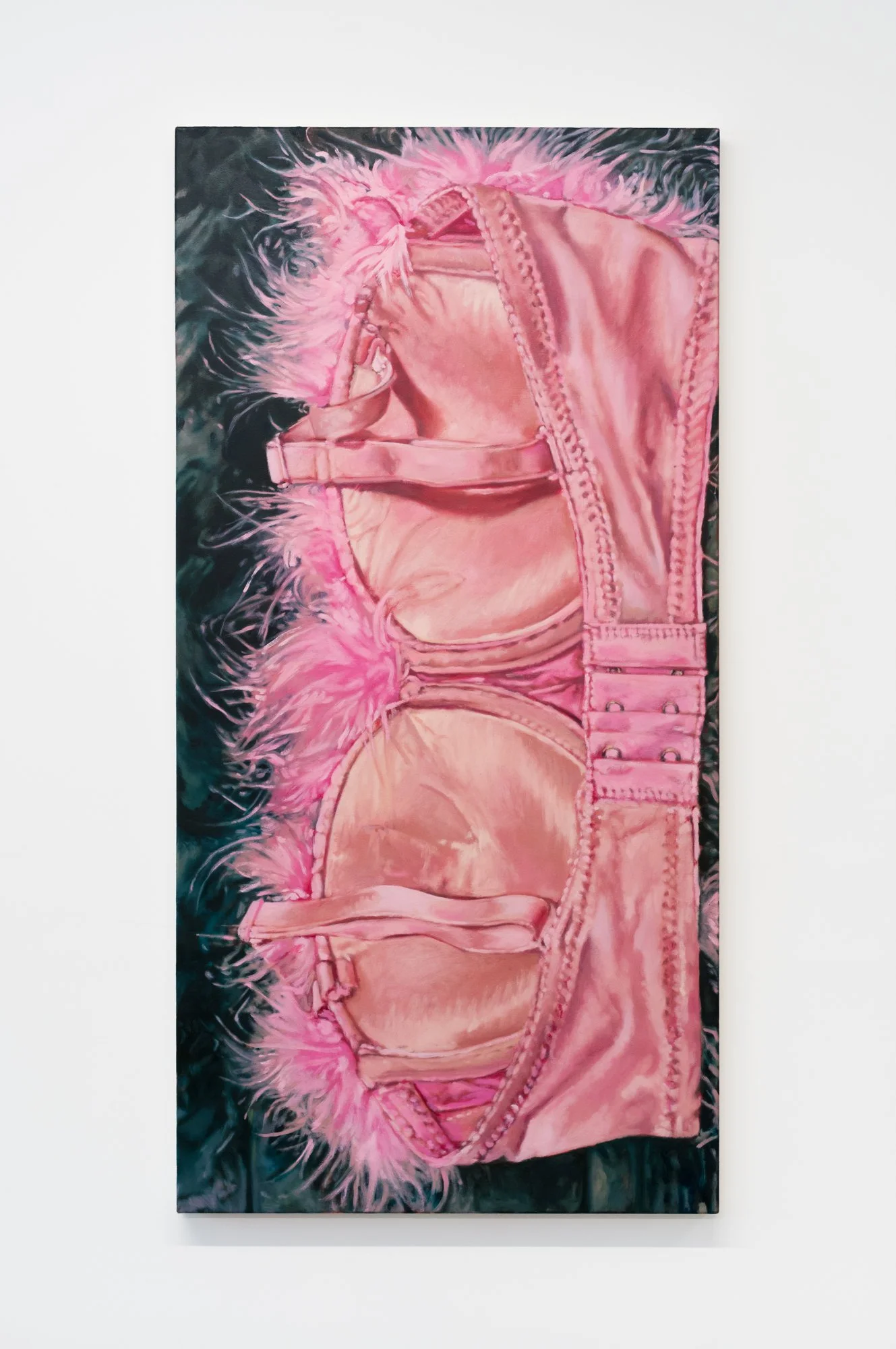
A pink bra, seemingly adorned with feathers and made for the stage, is presented inside out, its inside revealed. The side that touches the body, not designed to seduce, the one that embraces the skin. A literal inversion which reinforces the point: to show the reverse of an object that is made to be seen, to choose the side that escapes the spectacle. To paint a bra as one would paint an eclipse: something luminous masked at the exact right moment, not to make it disappear, but to reveal its existence by contrast. That gesture brings forward a tactic understood by Micheal De Certeau: the ruse of unchosen terrains; a way of resisting without confrontation; through secrecy, through ritual, through the softness of a hand that caresses rather than grabs.
- Mégane Voghell