Circles
Artists: Alicia Adamerovich, Angela Heisch, Marcelle Ferron, Jilaine Jones, Élise Lafontaine, Rita Letendre, Nan Montgomery, Françoise Sullivan, Remedios Varo, Mia Westerlund Roosen, & Frances Williams.
Dates: March 12 to April 25, 2026
Opening: Thursday, March 12, 2026, 5 to 7 pm
Venue : Pangée, 1305 ave des Pins Ouest, Montreal
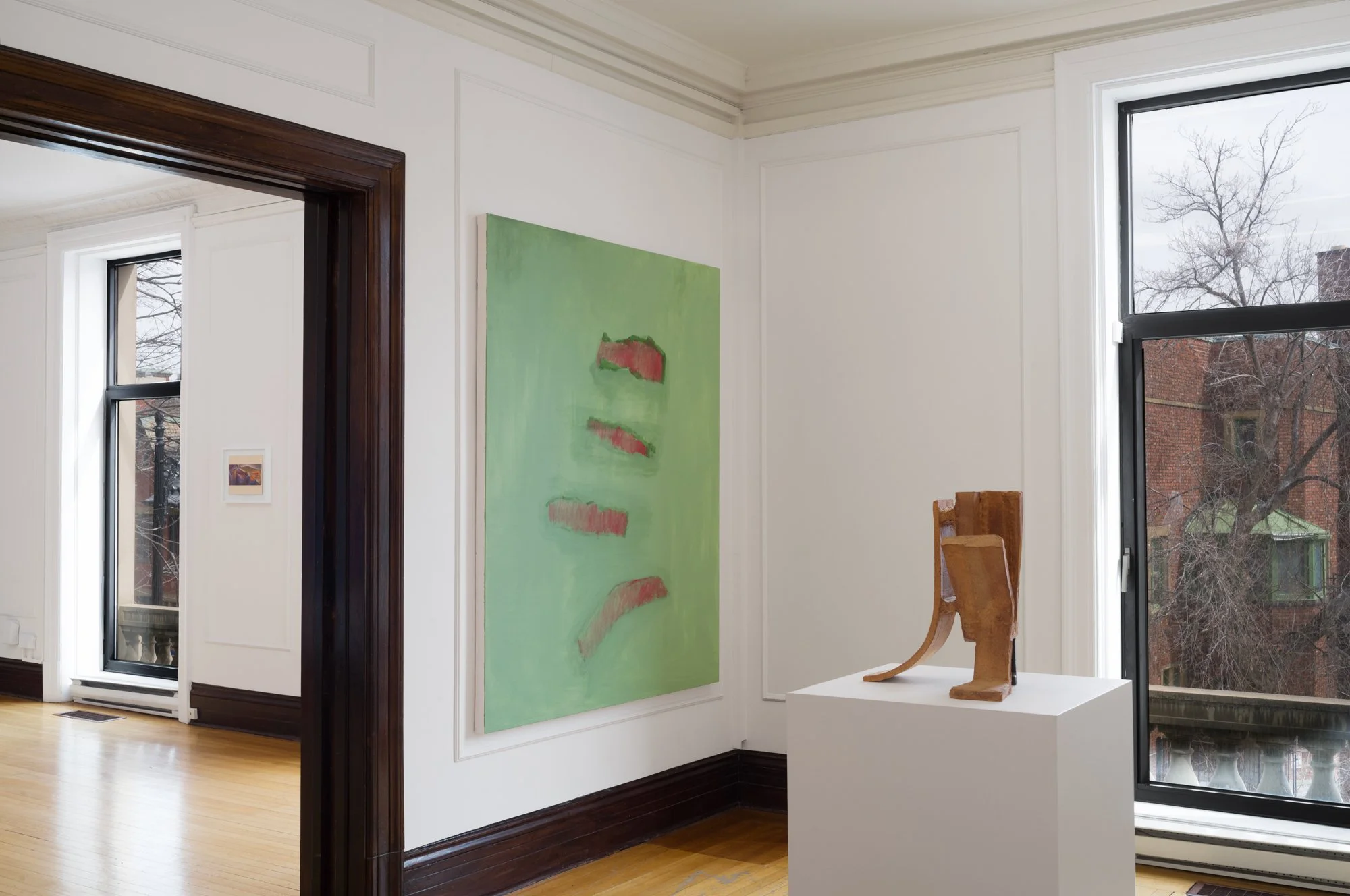
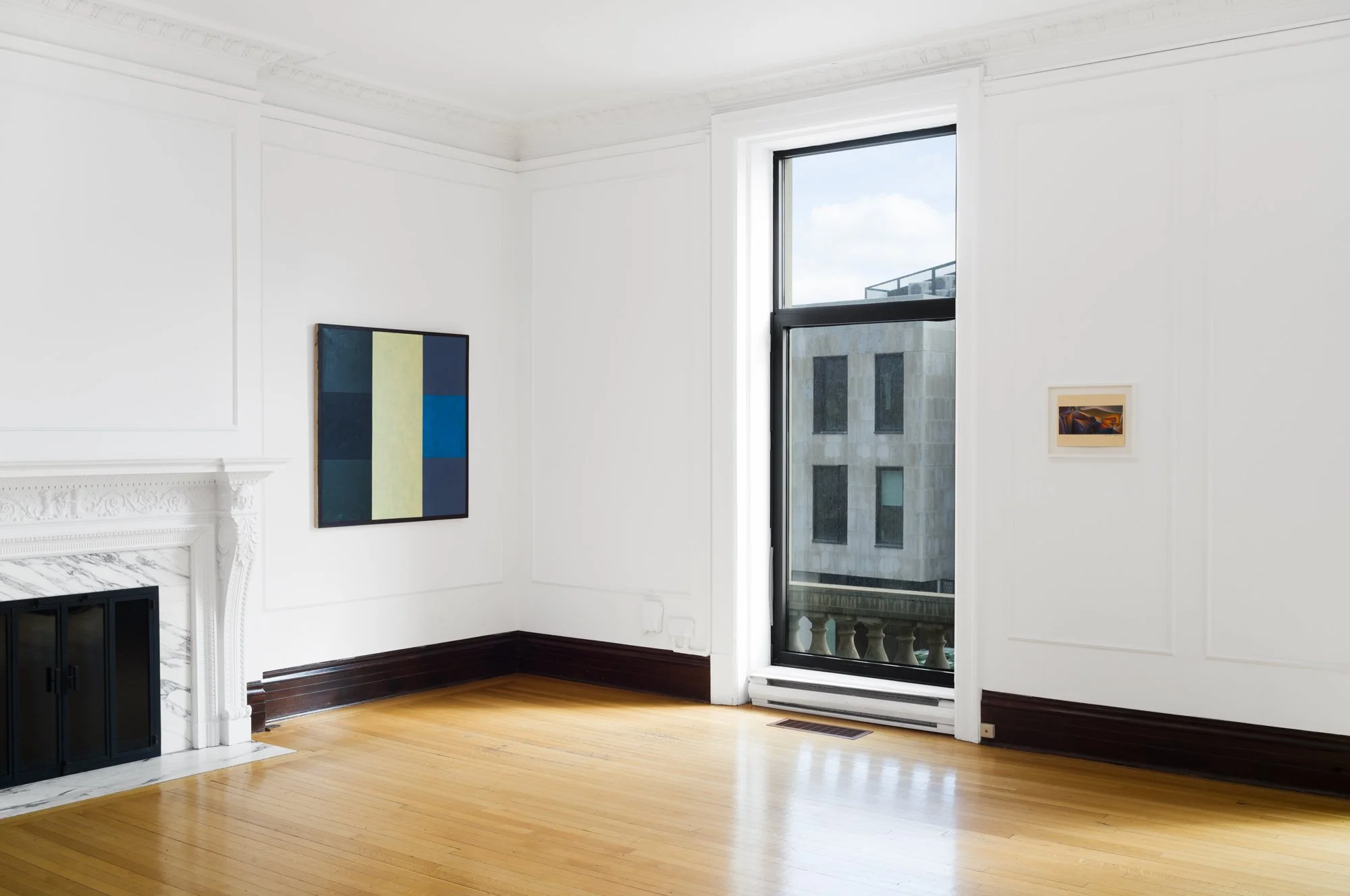
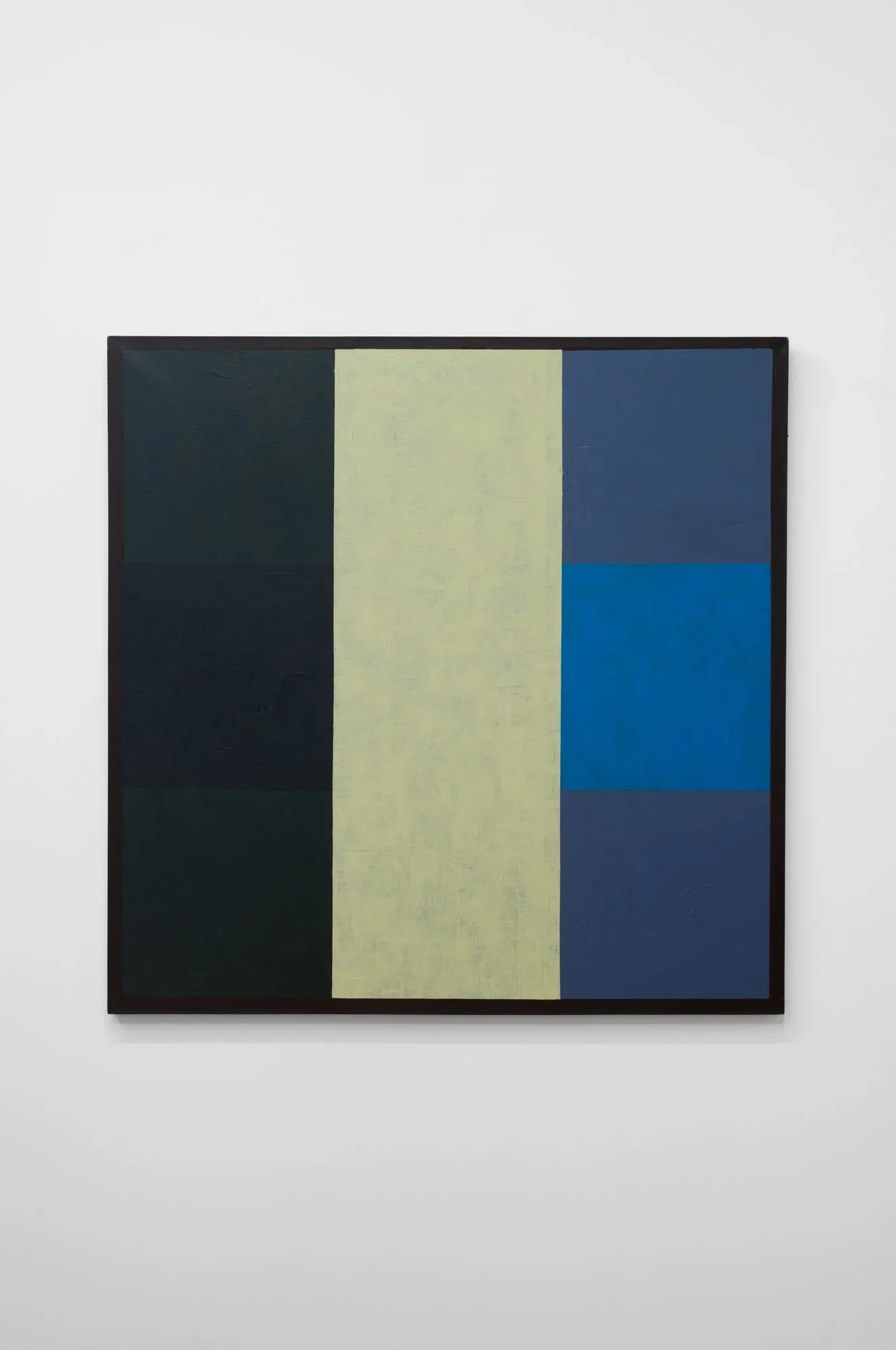
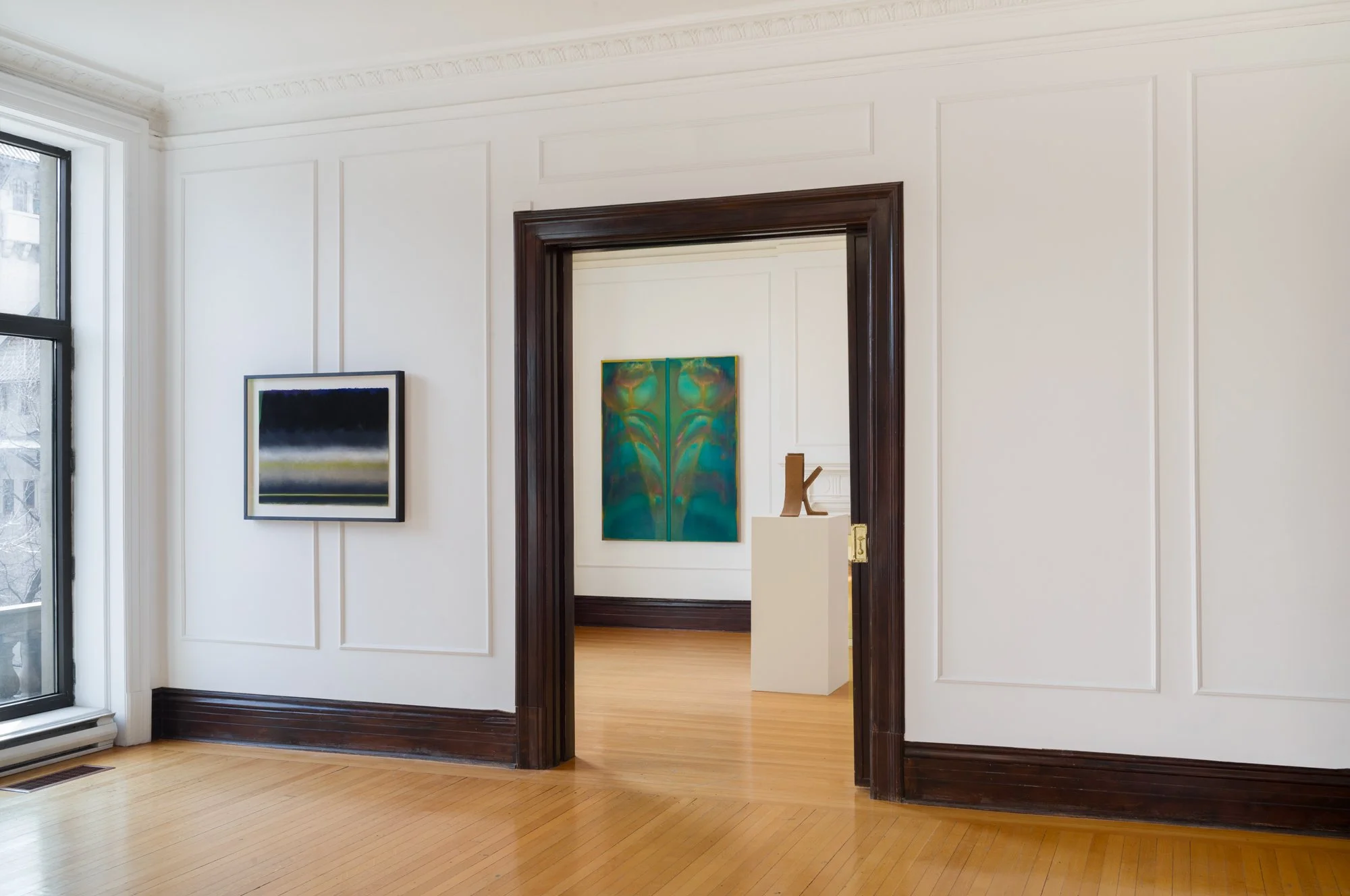
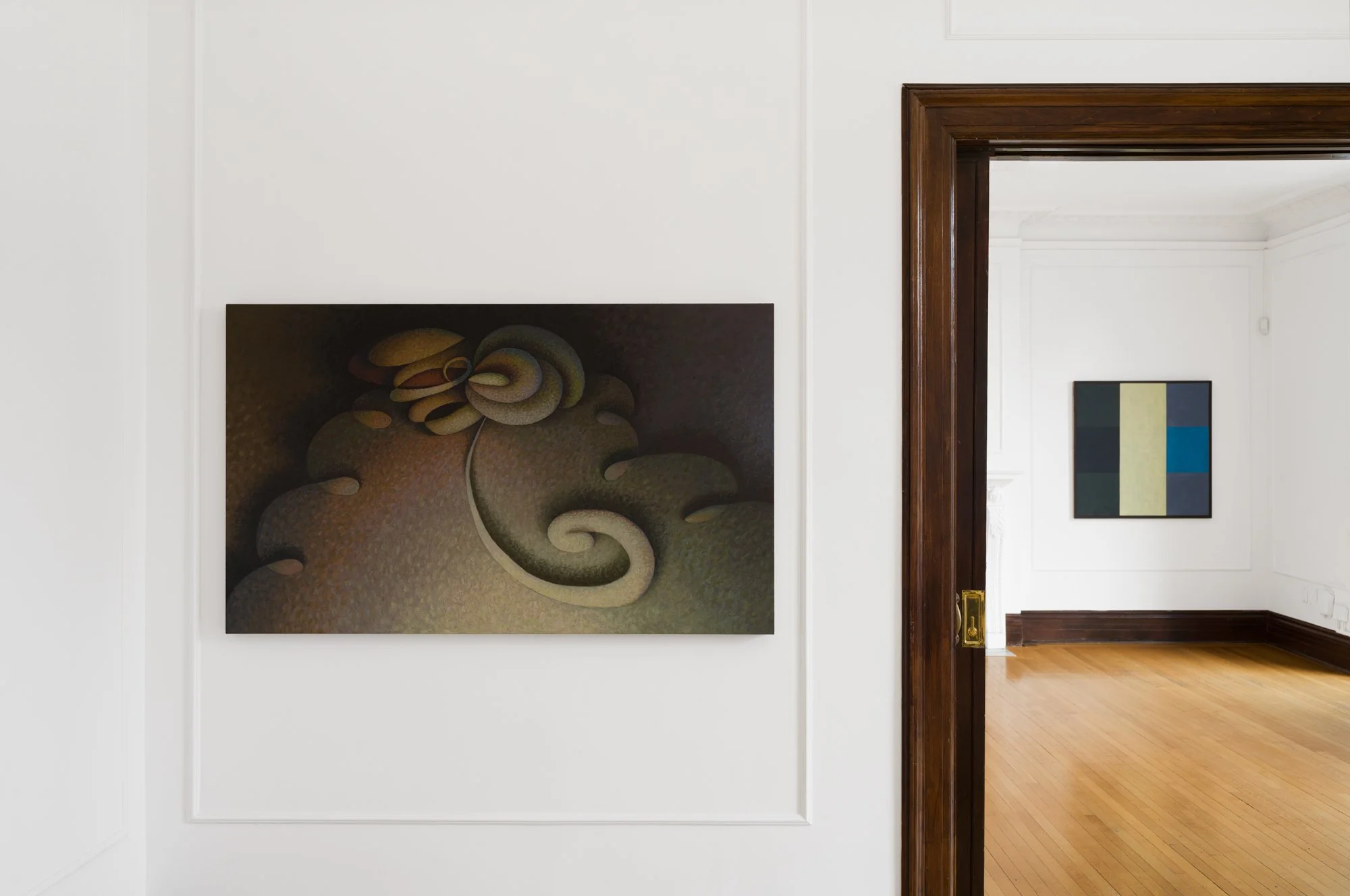
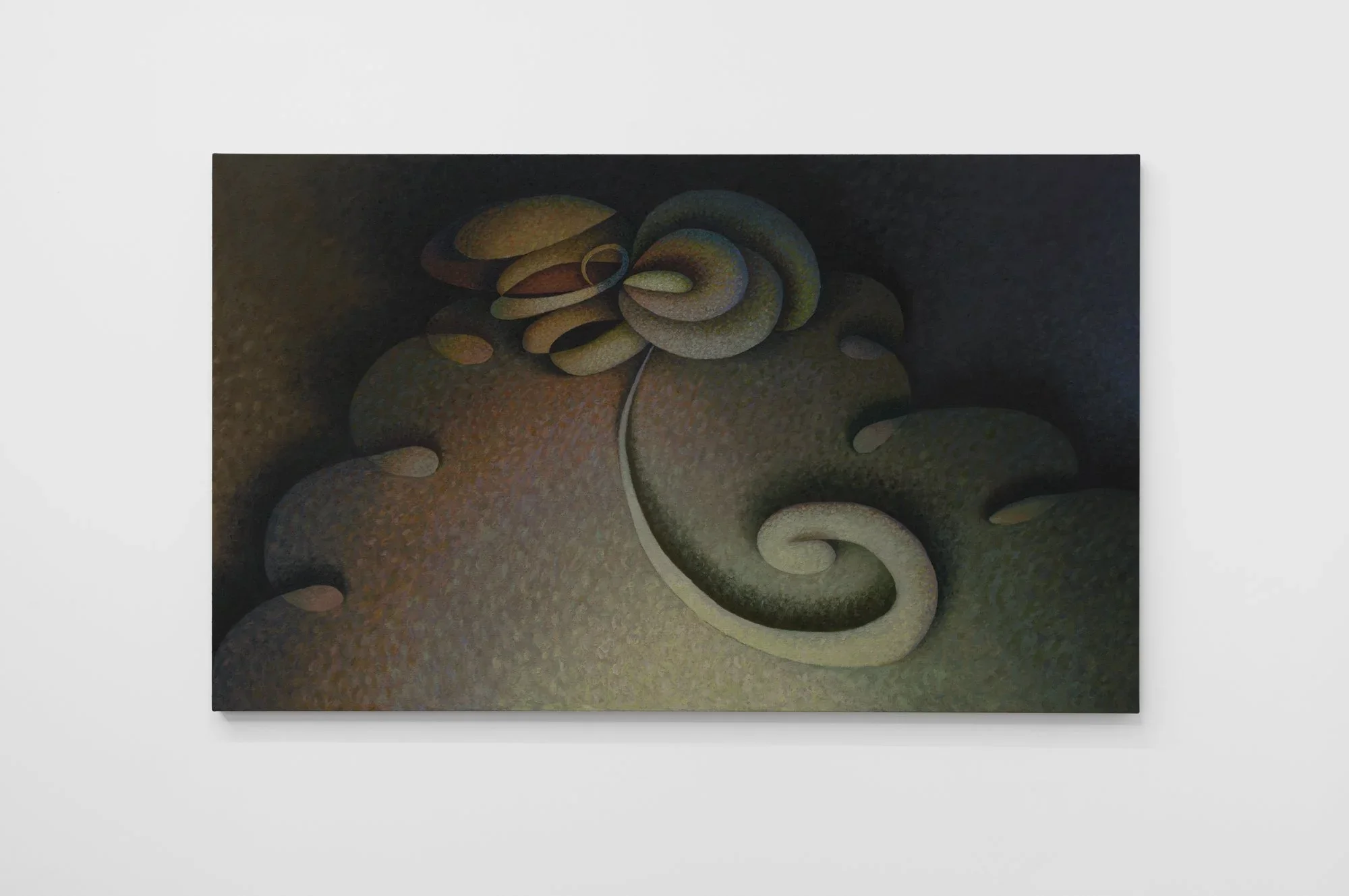
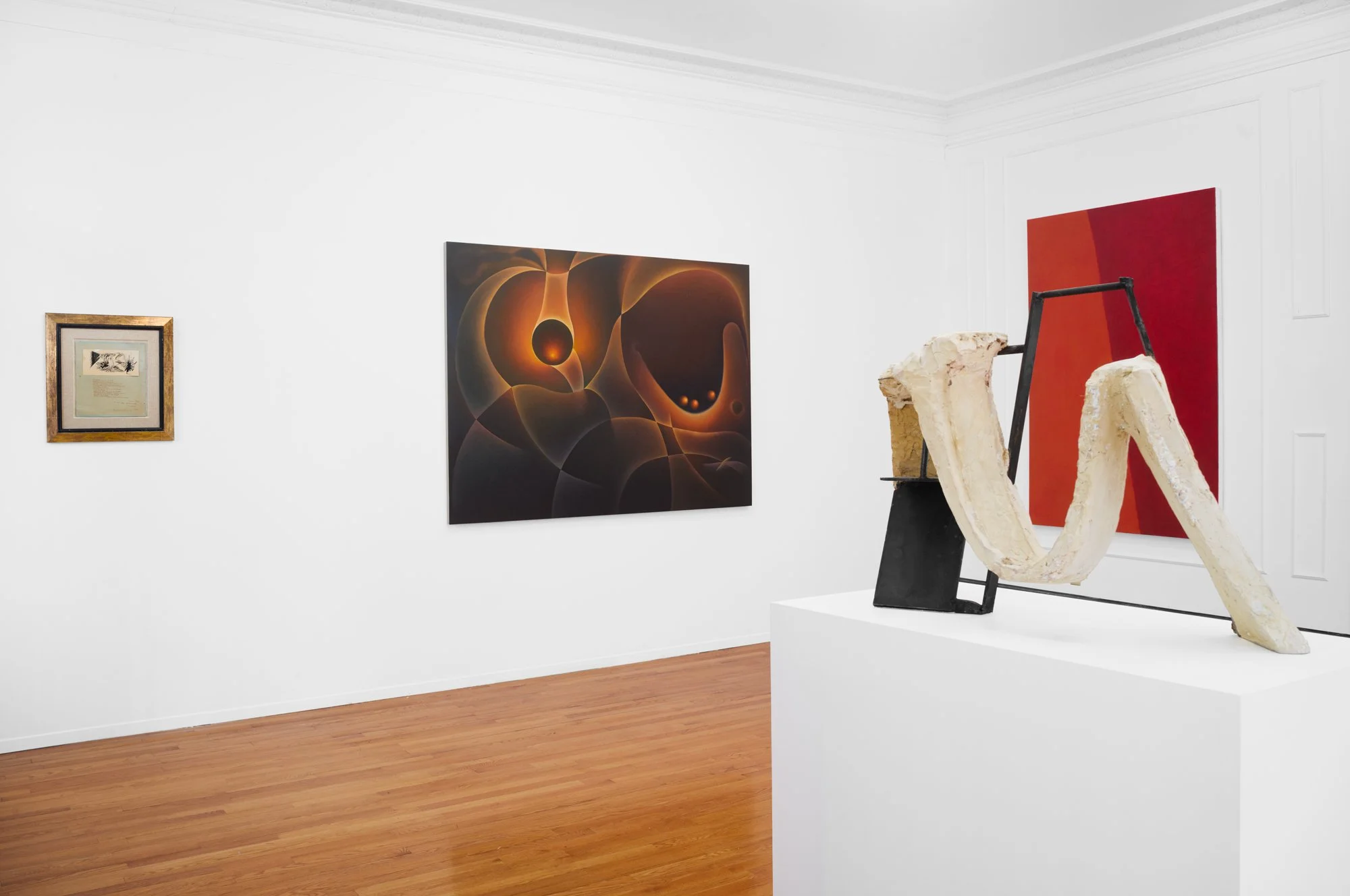
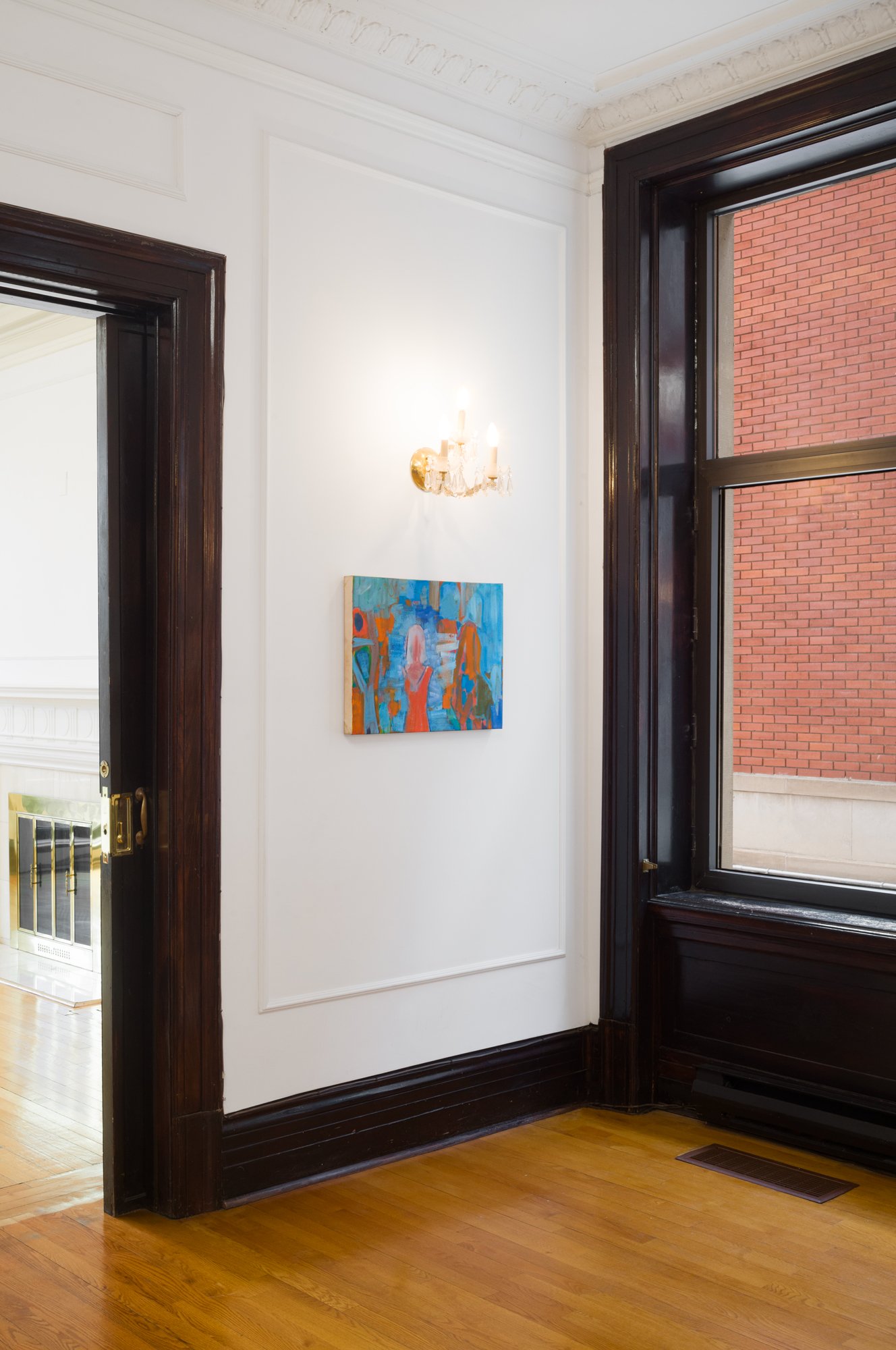
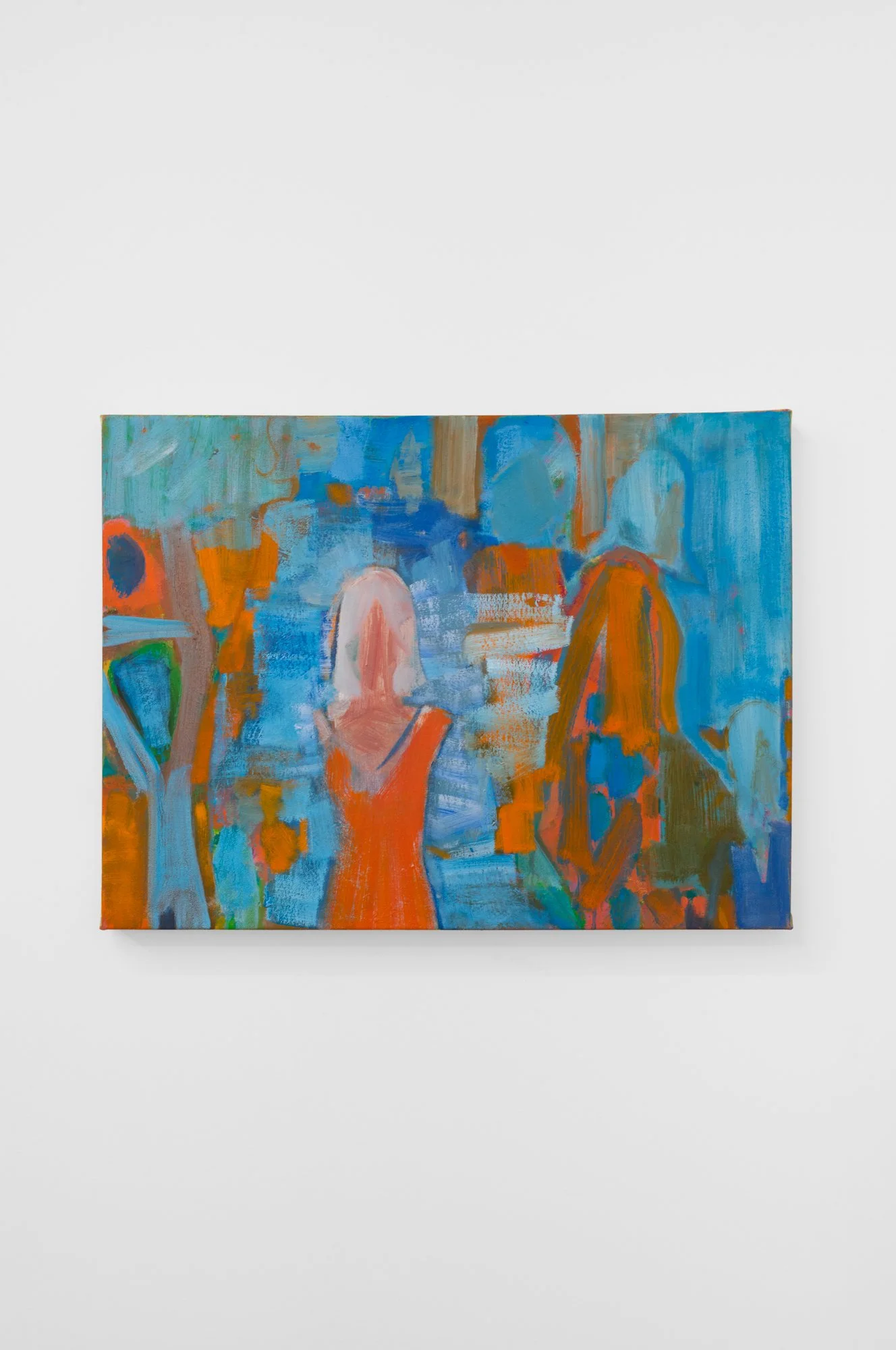
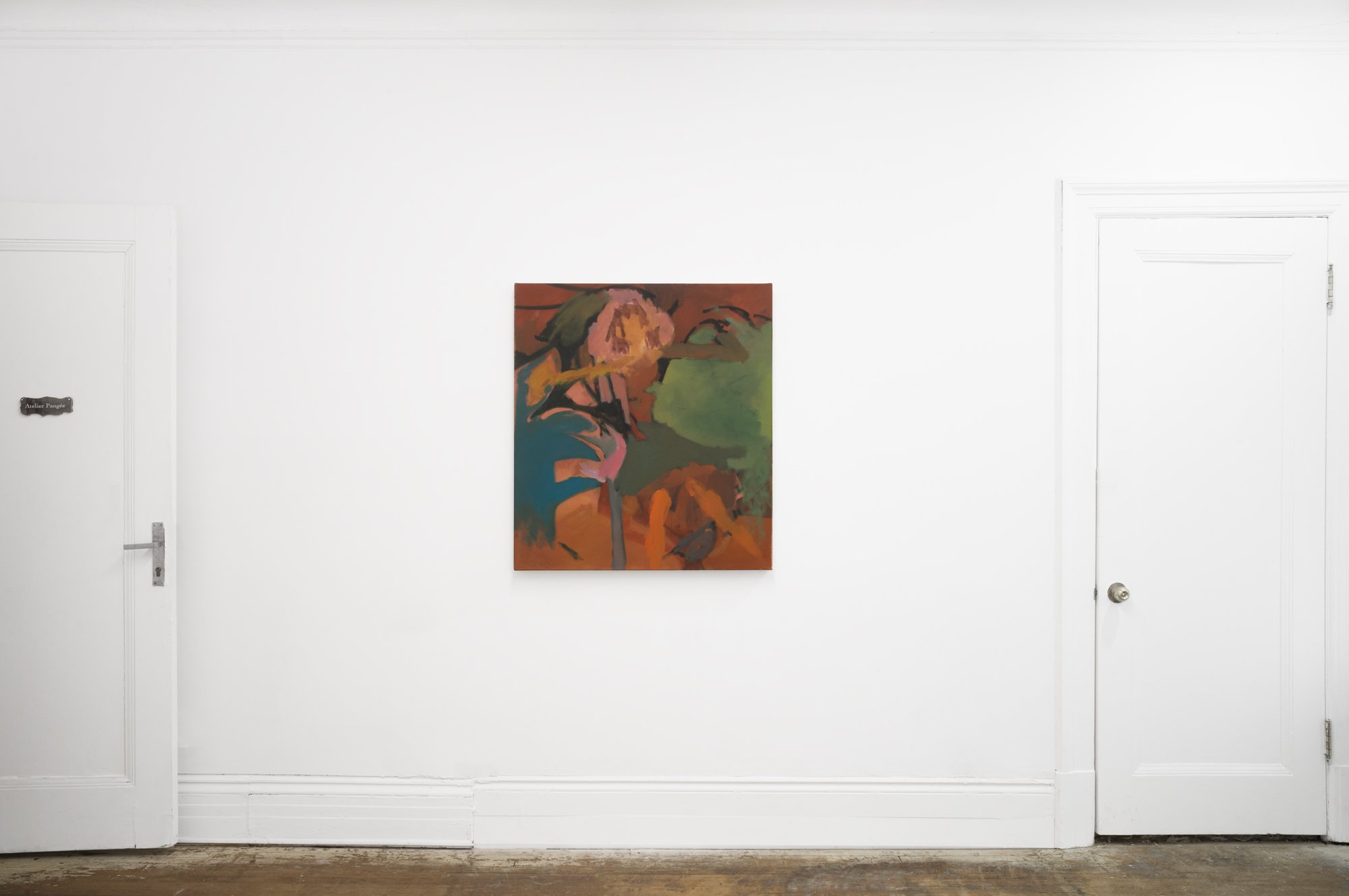
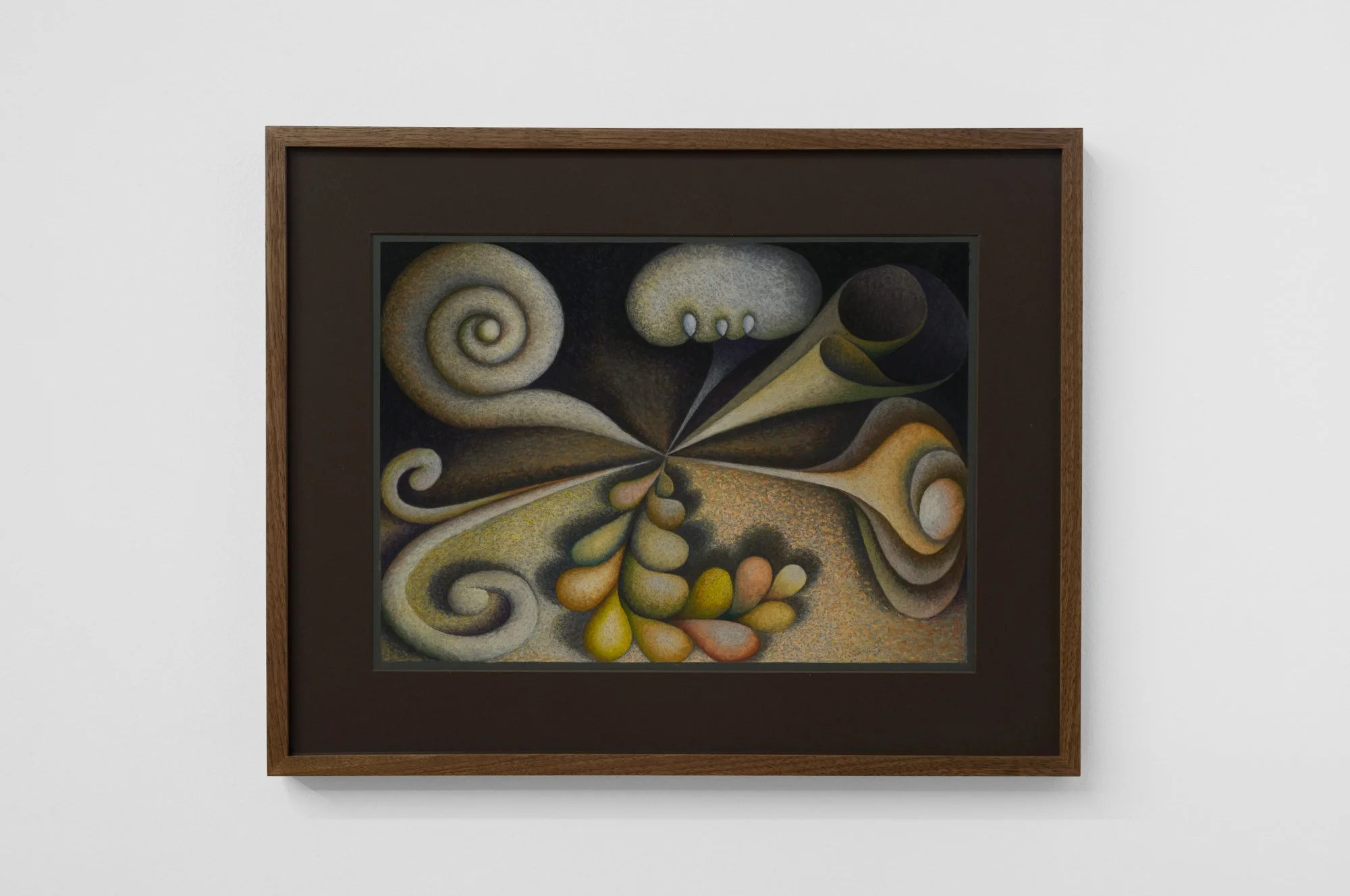
Pangée is delighted to present Circles, a comprehensive group exhibition that reflects on abstraction and surrealism, bringing together works spanning the 1940s to the present day. The works echo one another, generating interconnections among loose architectures, glowing nodes, and vortex-like landscapes, while biomorphic shapes drift along shifting horizons, as interior worlds unfold into porous, unstable fields of continuous becoming.
-
“The eye is the first circle; the horizon which it forms is the second.”
- Ralph Waldo Emerson
The Eye is the First Circle, Lee Krasner’s epic 1960 painting and an eponymous documentary on women abstract impressionists from the mid 20th century, borrows from an essay called Circles, written in 1841 by Ralph Waldo Emerson. In that text, Emerson rethinks philosophical assumptions about space and perception, arguing for the capacity of personal vision to expand the world, literally and metaphorically, by situating perception as a driving force in an endless, fluid universe in constant becoming. Krasner demonstrated that, as with many women working in abstraction and gestural painting, her methods and conceptual approach embraced this sense of vision as a new way to remake the world around her.
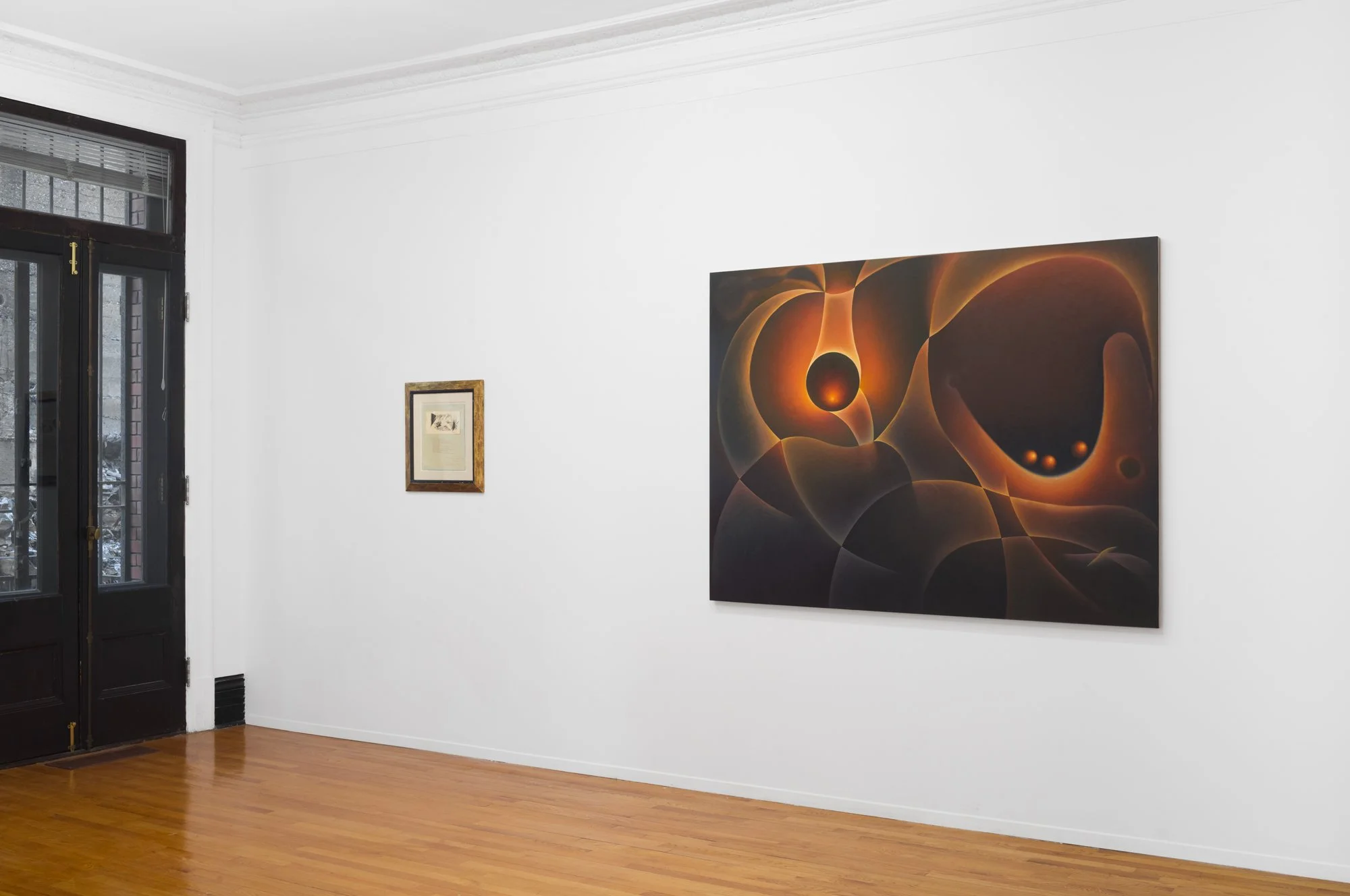
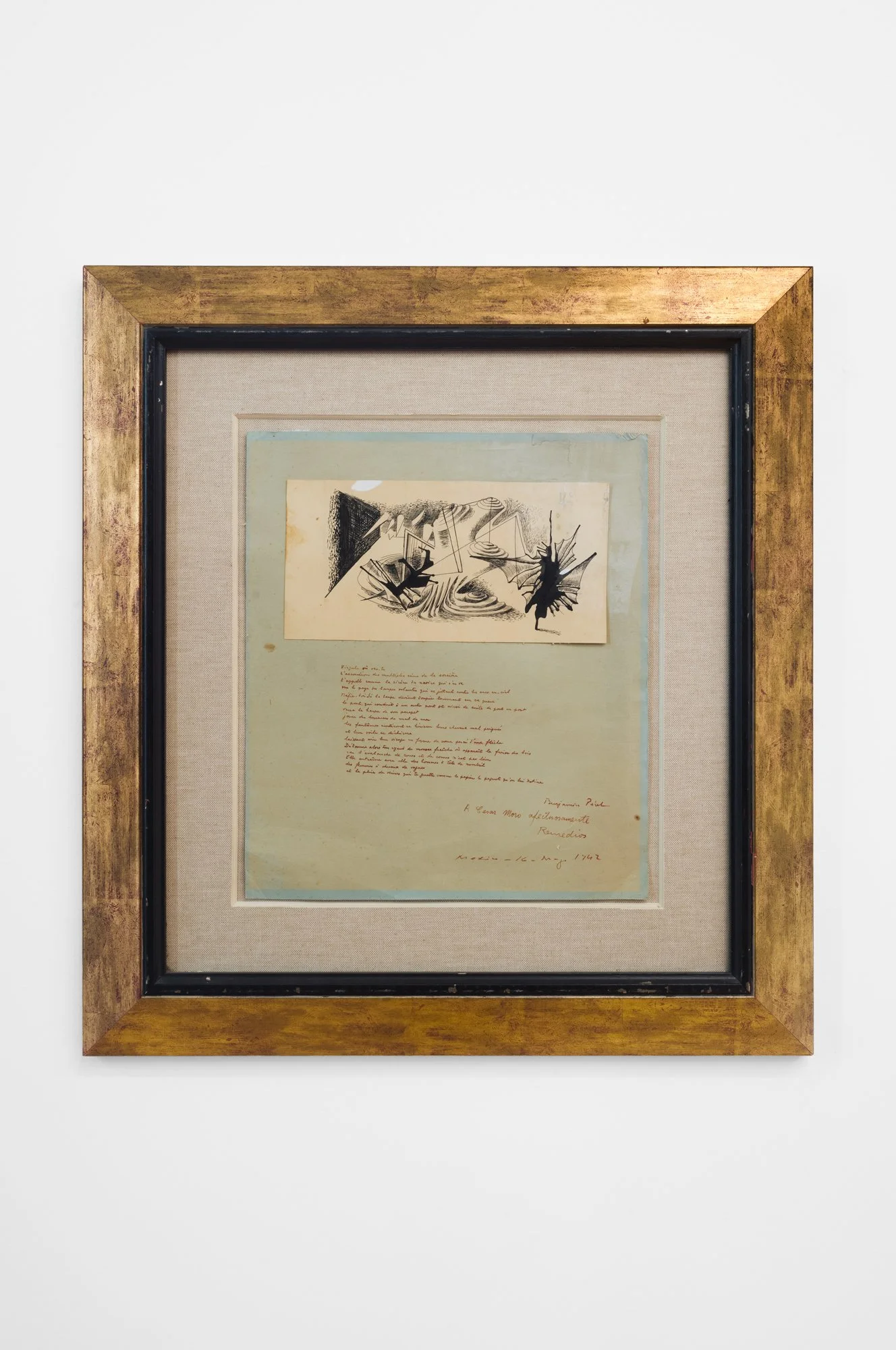
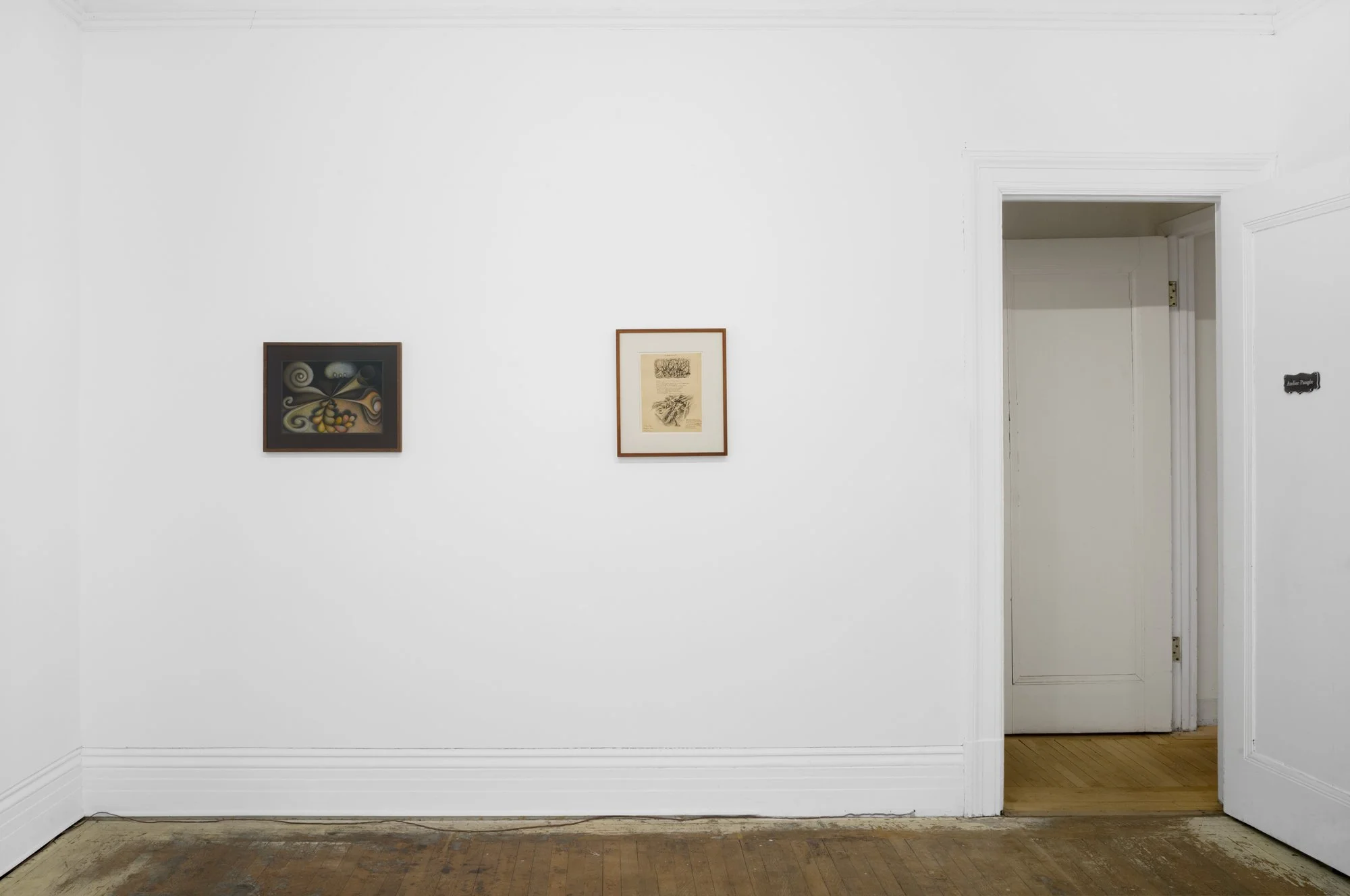
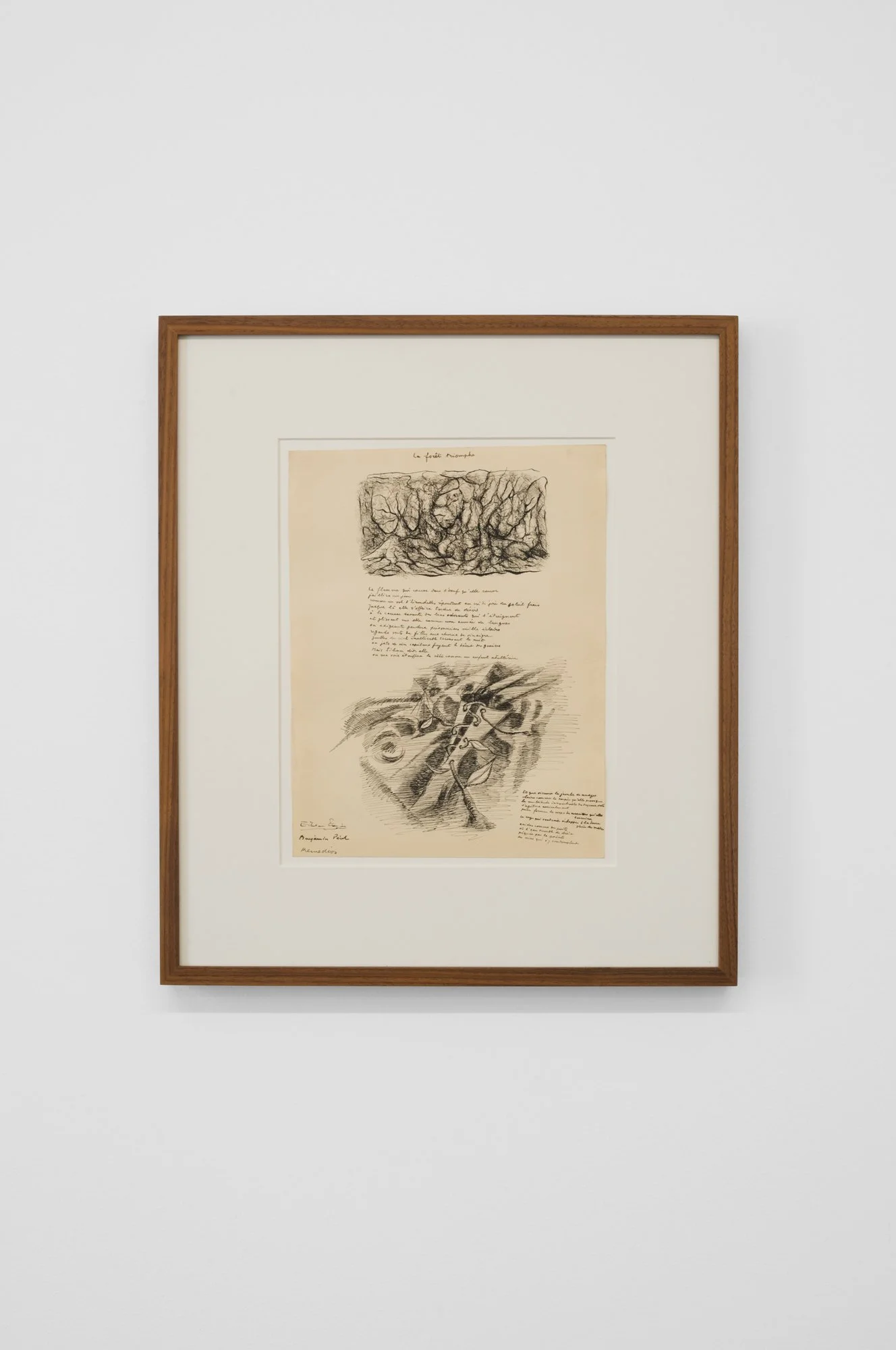
In the exhibition Circles, organized by Pangée, works from the 1930s and 40s by Remedios Varo sketch out some of the real and imaginary spaces that held the social imagination of the era. Varo’s intellectual practice of rendering phenomenological space often incorporates non-physical presence overlapping with space elements that can’t seem to settle. The surrealist horizon can be ambiguous, an exaggerated stage made unsteady by ghost actors who seem to float in and out of frame. But in the European context of emerging modernity — a condition where post-renaissance thought was made whole, confirmed by the whirl of technology and humanist perspective — it represented an emergence into a new kind of world. One of these archival works, Gruta màgica IV (1942), is made in collaboration with the surrealist poet Benjamin Péret, whose poem, Virgule, où vas-tu? (Comma, where are you going?) is penned by Péret himself below Varo’s drawing.
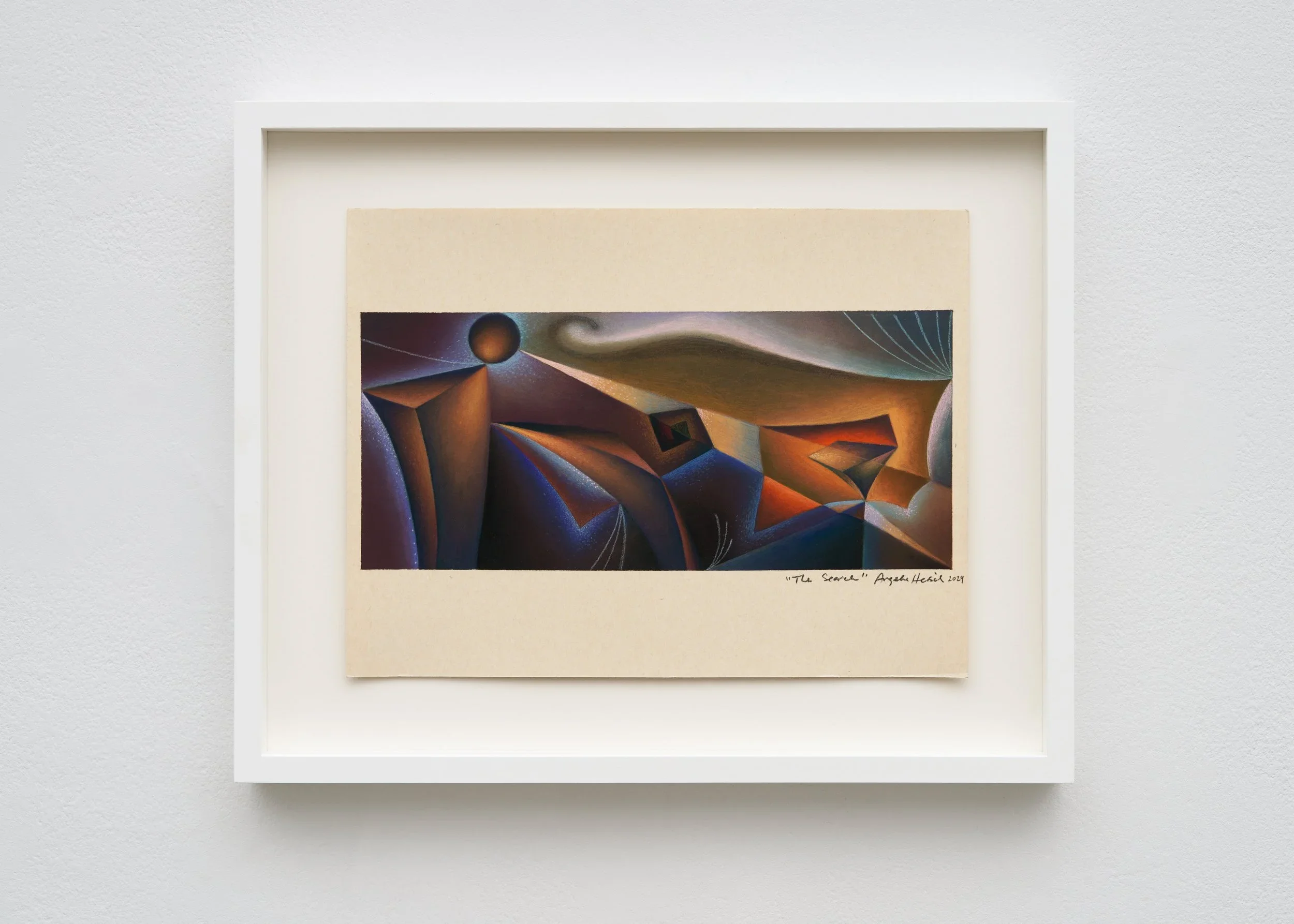
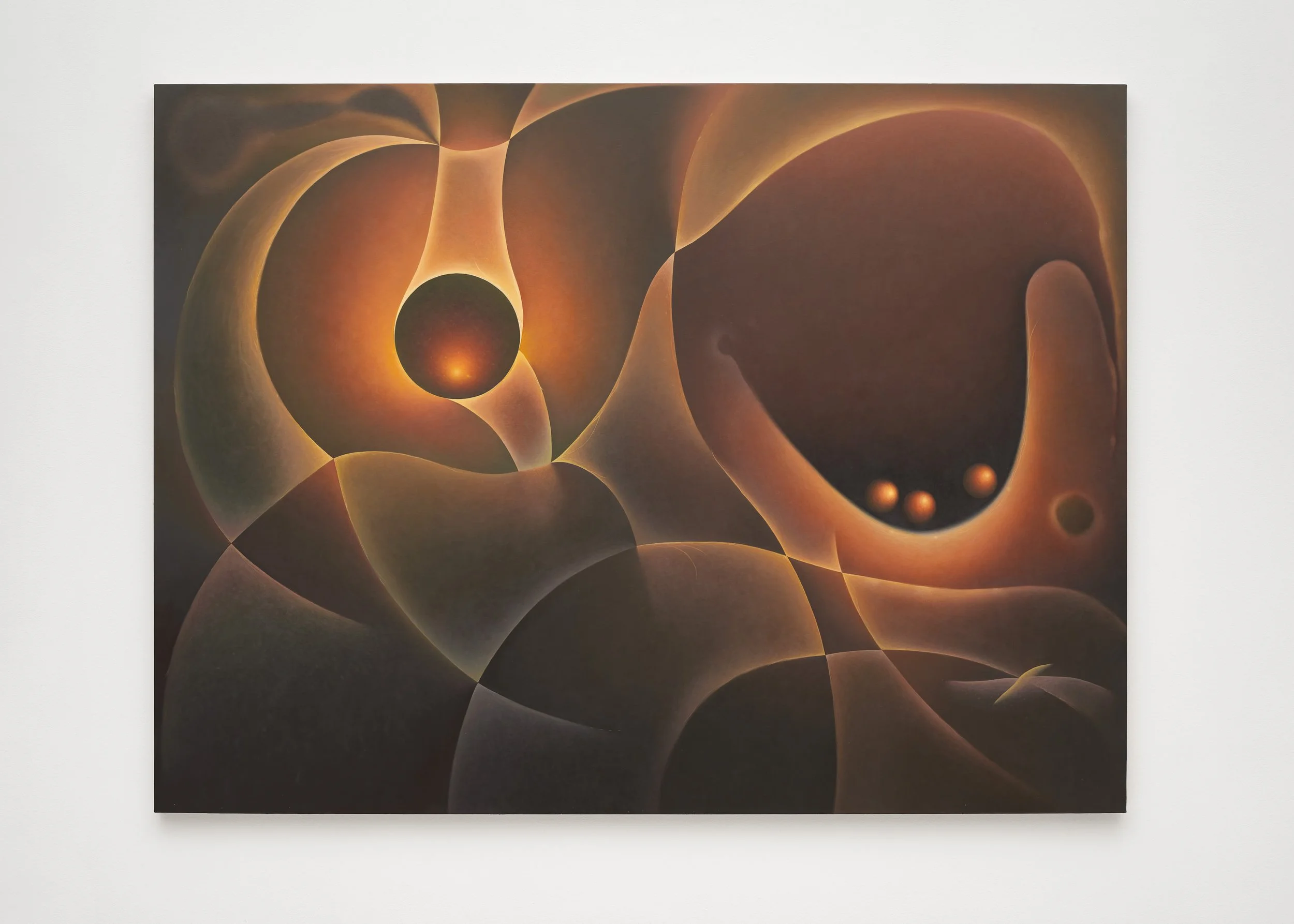
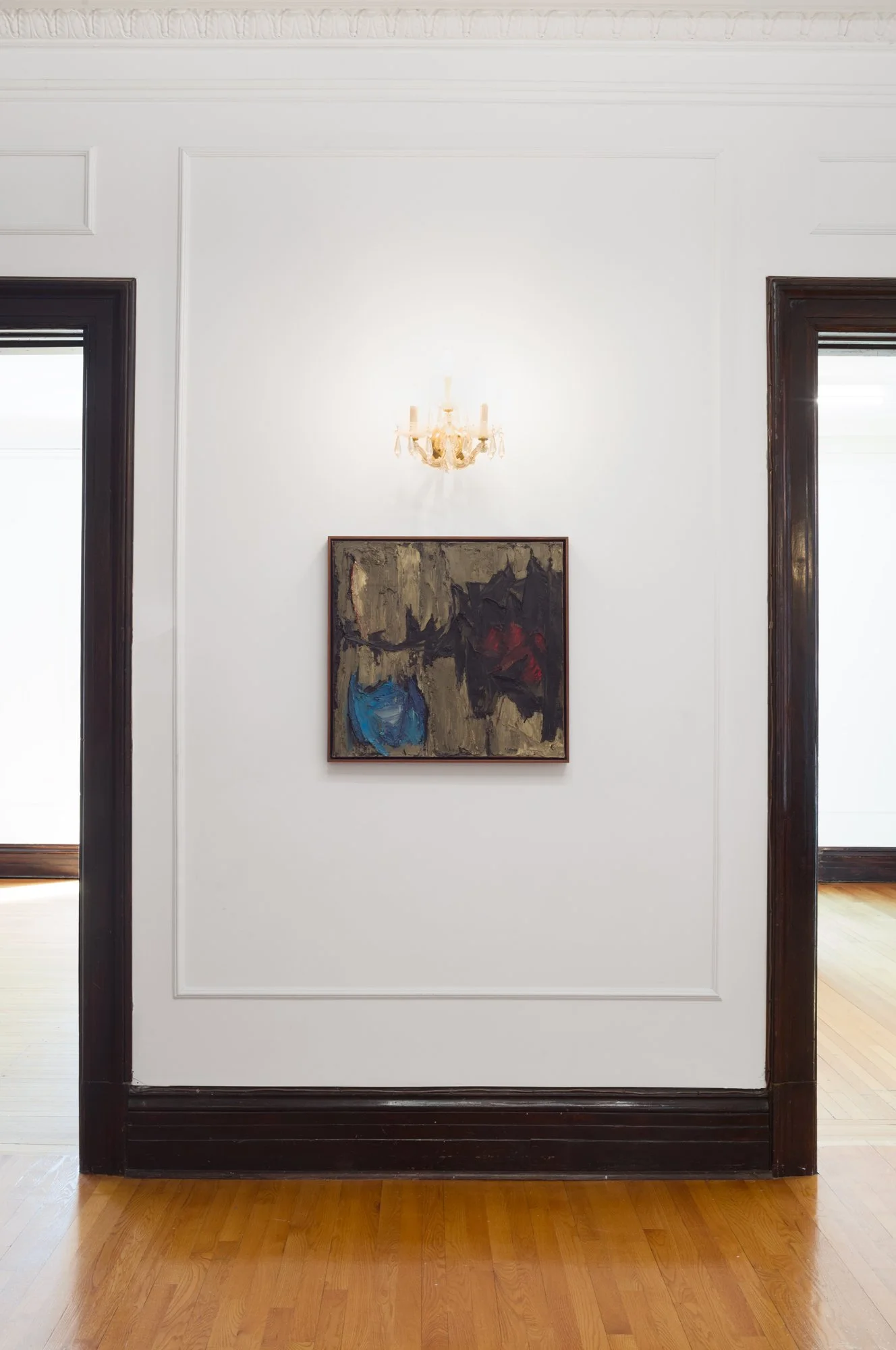
The poem was first published in 1936. Conceived in the foreshadowing of the Second World War, it emerges in the midst of a felt loss of stable, invisible infrastructures. In Varo’s accompanying sketch, a loosely anchored architectural space undergoes existential rupture. The fabric of reality tears throughout, forming gaping vortexes, as a geometric line crawls through. Eight decades later, Angela Heisch’s soft surreal compositions (for example The Search, 2024) seem to draw from the same place. Here, moody, jewel-like raptures morph into glowing nodes, spaces of possibility and depth, smooth, celestial caves hosting black holes where stellar objects refract into endless sources of light. The Valves (2025) draw further inward into an abstracted dream space that is as still as it is encompassing: the inner landscape.Throughout the genesis of contemporary living, women artists — who, like Varo, chose to take up surrealism or abstraction — had to overcome existential challenges, one of which is a lack of precedent. Essentially, they had to invent their own visual language, containing a world inside of it. While the exterior world has its physical and social limitations and restrictions, its interiority becomes an endless, sprawling, verging space. Turned outward, it exposes the interdependence of hegemonic relations and plots endless new horizons. In Marcelle Ferron’s La souffrance, l'Éros et la Joie (1947), a spinescient phantom created by brushstrokes closes in on something intangible, muddled and unreal, a noisy fever dream, a self-manifesting sort of creature, created and sustained by brushstrokes. It mirrors the biomorphic entities in Alicia Adamerovich’s Touch-me-not (2025) and Plucked from the Deluge (2026), where an underwater-like setting hosts an organic clusters of shapes that likewise seem to emerge, almost growing from the surface. The setting reveals them in a moment of diffused flashing light, appearing both three-dimensional and somehow receded. Grainy, dreamy darkness around the forms gestures to the night and its interior, slippery nature. Frances Williams’s gestural paintings too seem to hint at a figure sheltering among the alternating shadows and flames — revealing by concealing something that wants to emerge, just underneath the surface.
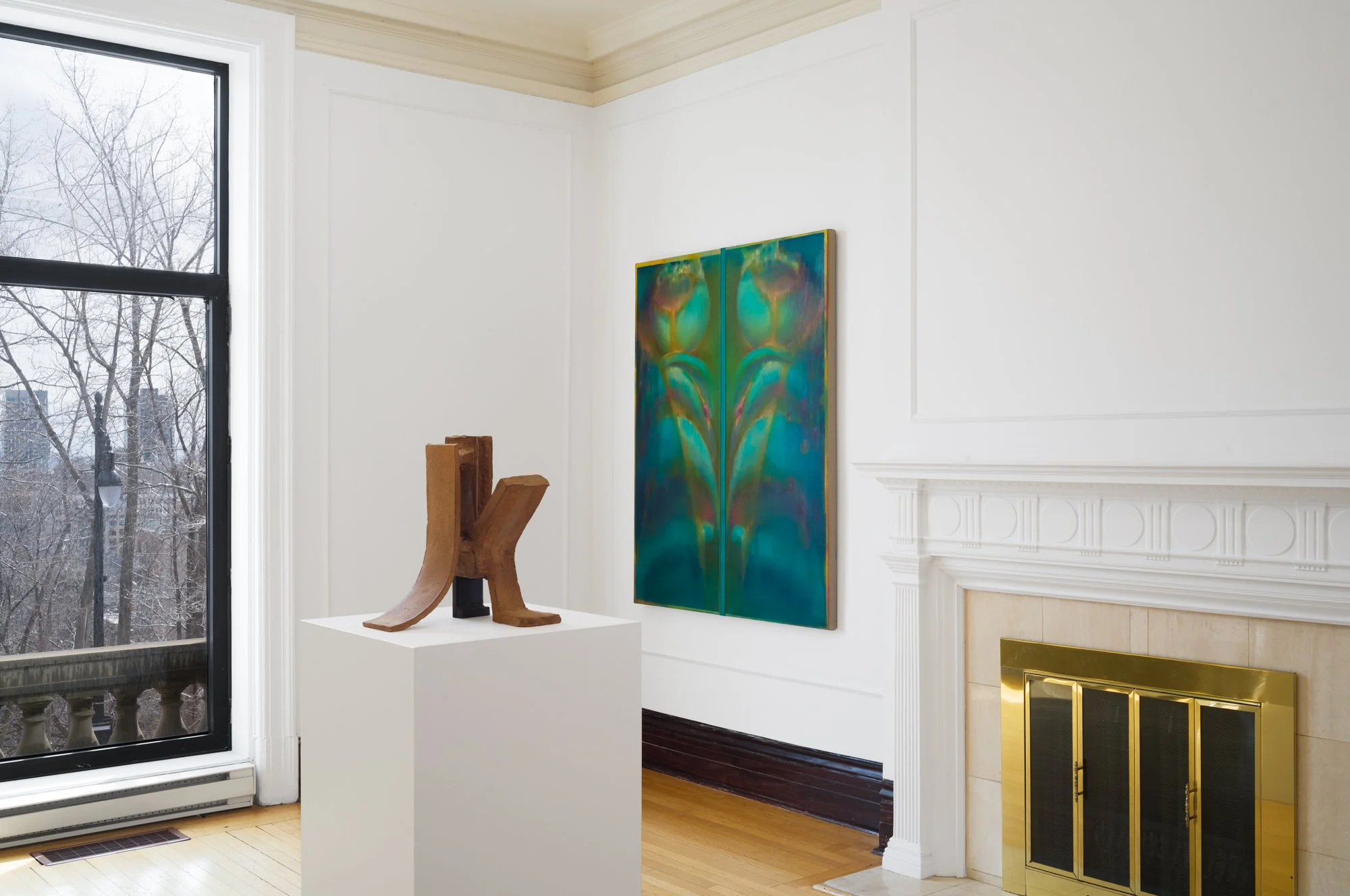
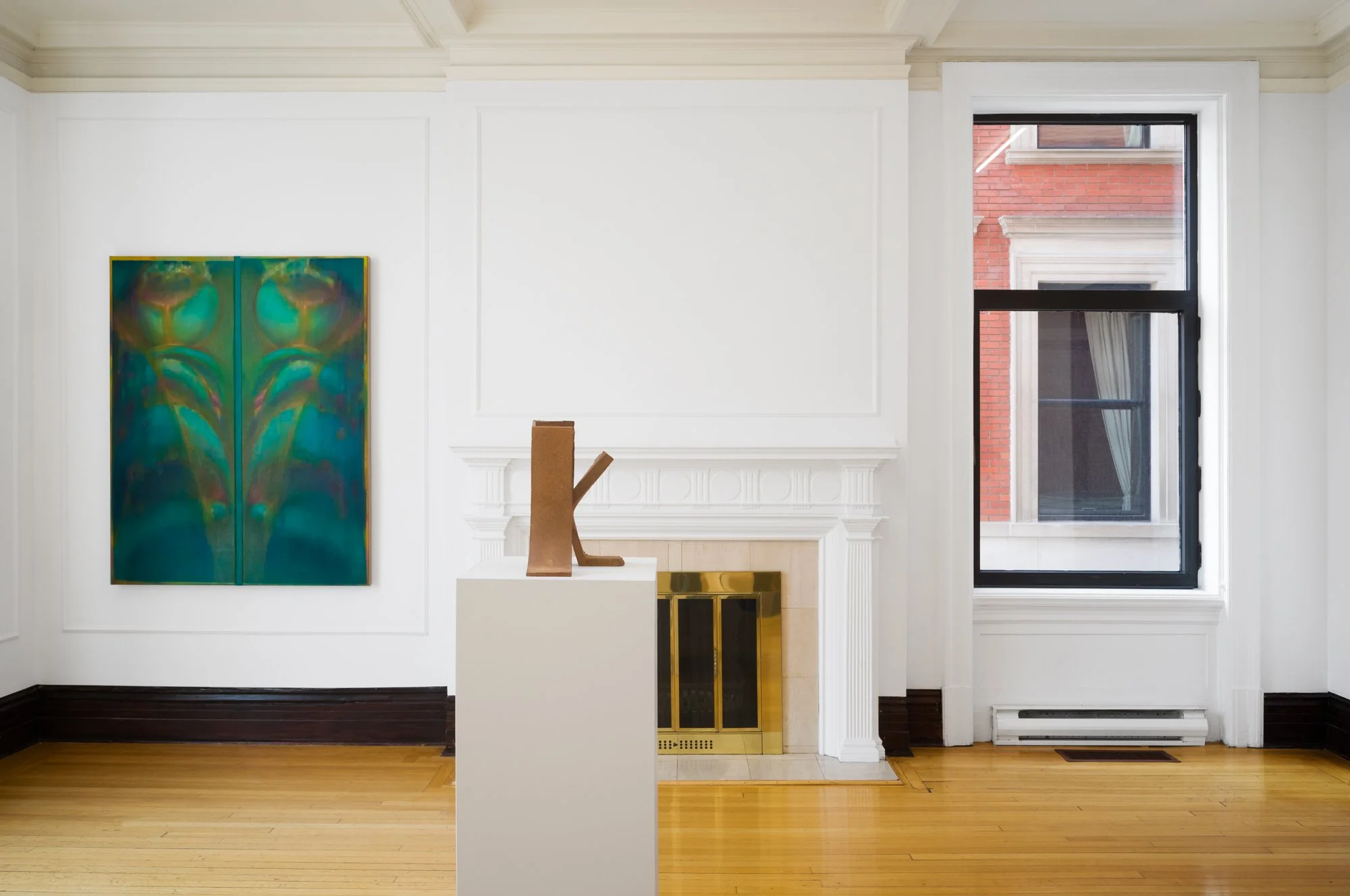
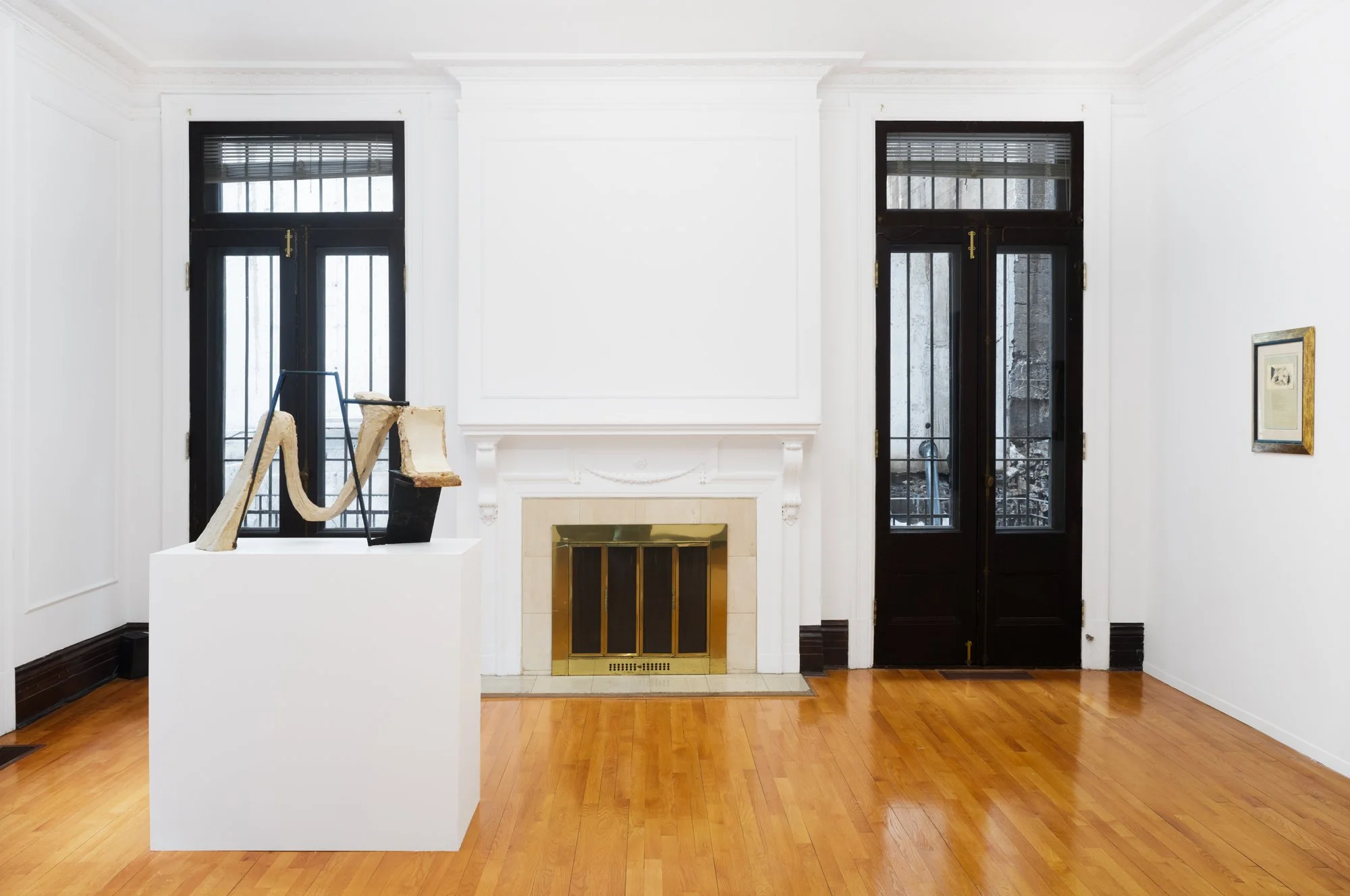
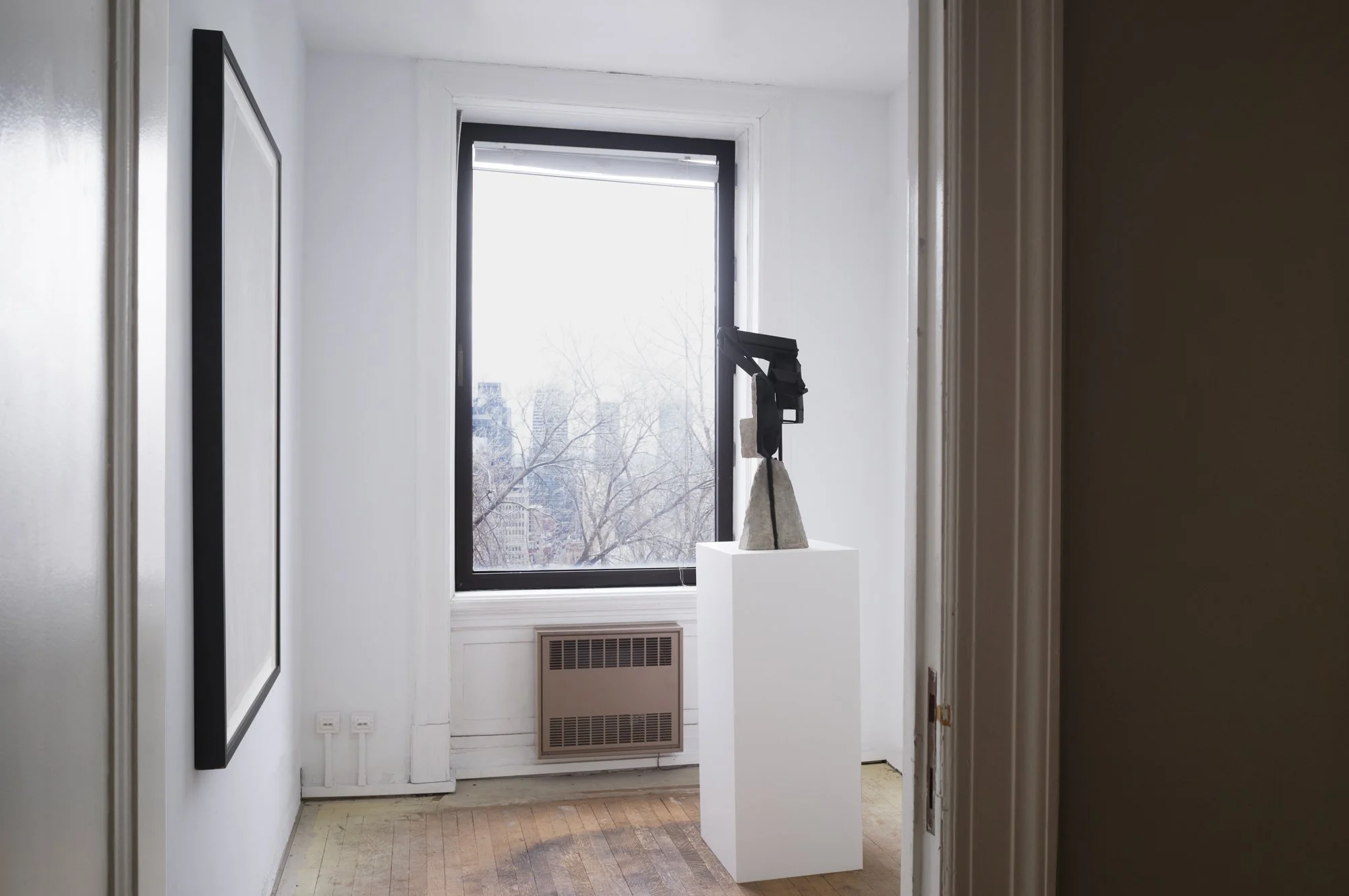
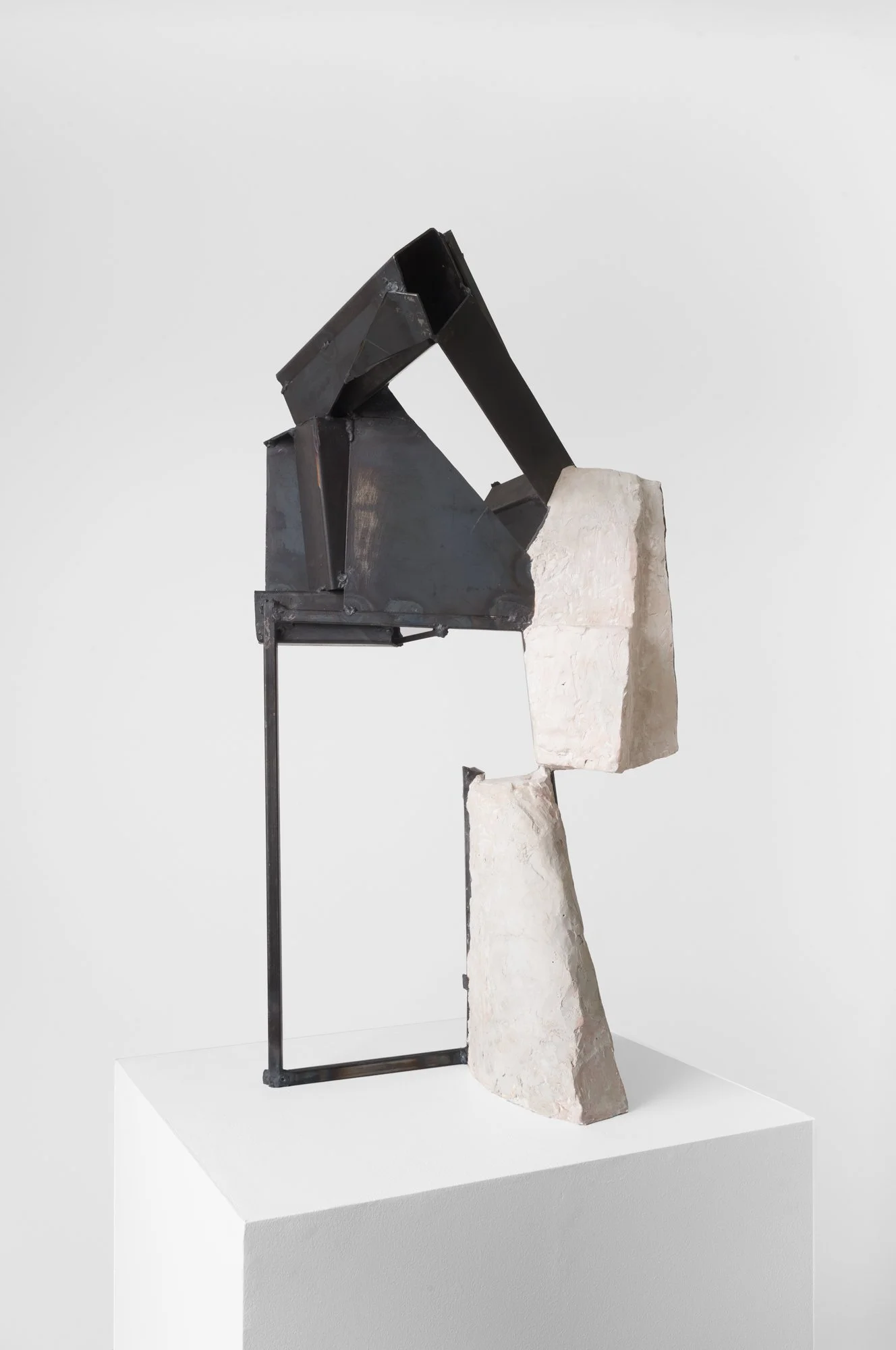
Jilaine Jones is a sculptor whose physical works embody a sense of material emerging in the space by pooling in its imperceptible gaps and cracks. Jones — who in 2018 created a series of freestanding clay works entitled Horizons — here anchors sloping masses of plaster in the grid-like rebar scaffold that supports it (Internal Walk, 2008). In interviews she speaks of “fields,” not in reference to the visual plane that meets the eye, but the interior spaces where her work generates. The physicality of her sculptures too seems to reveal something about the space around it: its as if the invisible infrastructures around which one must exist, a rigid, crumbling web, is making itself known in a flash of realization: “a single instant projected against the screen of eternity.” A similar impulse runs through the early flat works of Mia Westerlund Roosen, an artist who was later known for her massive biomorphic sculptures. Like Varo, Westerlund confronts the flat surface, carving out existential depth. Her oil pastel works trace a barely perceptible sense of non-linear space-time-mutiny: the scratched up surfaces of One (1977) appear as if the artist tried to claw their way into, or out of, the frame, exposing the canvas’s interior.
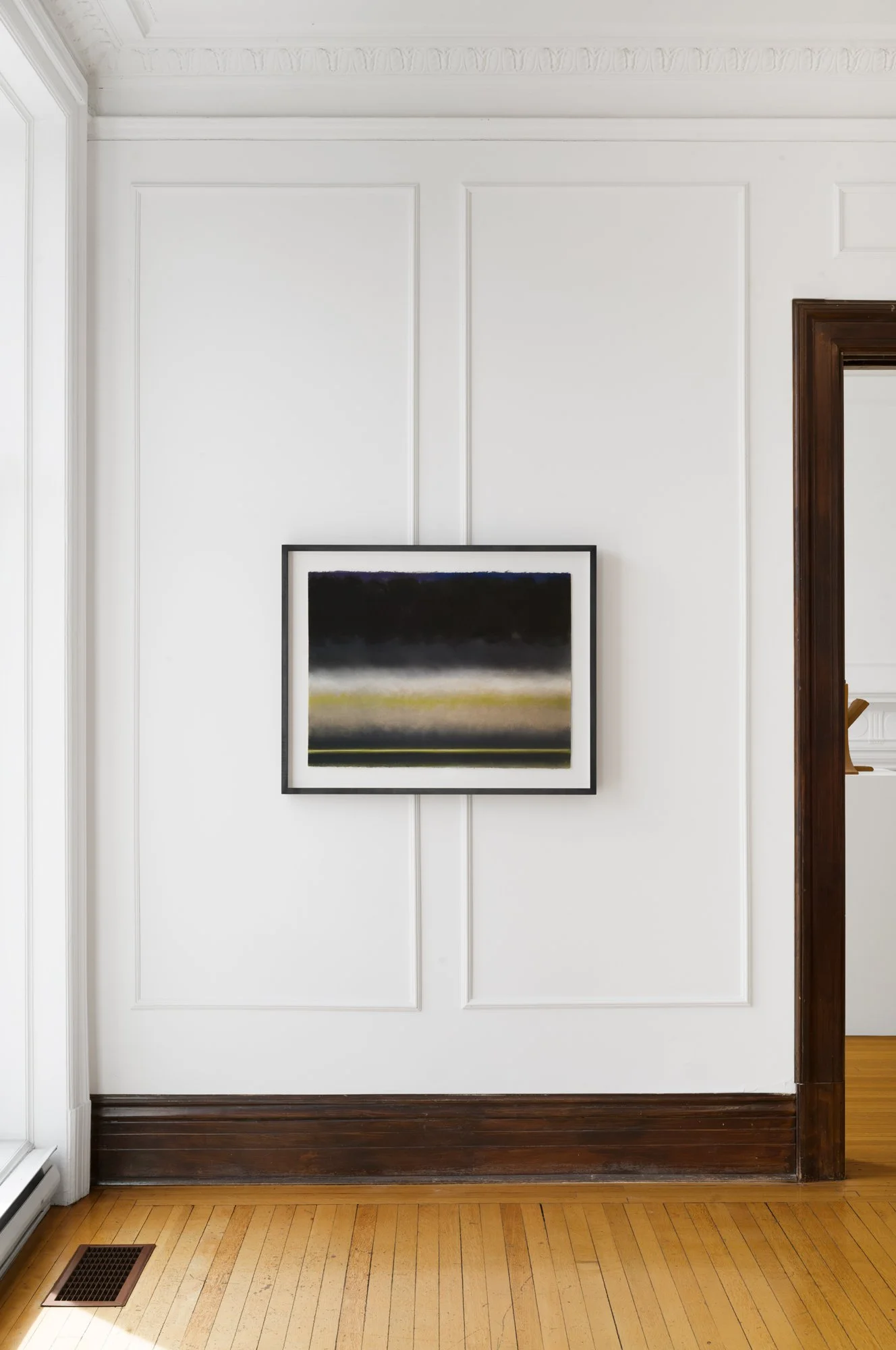
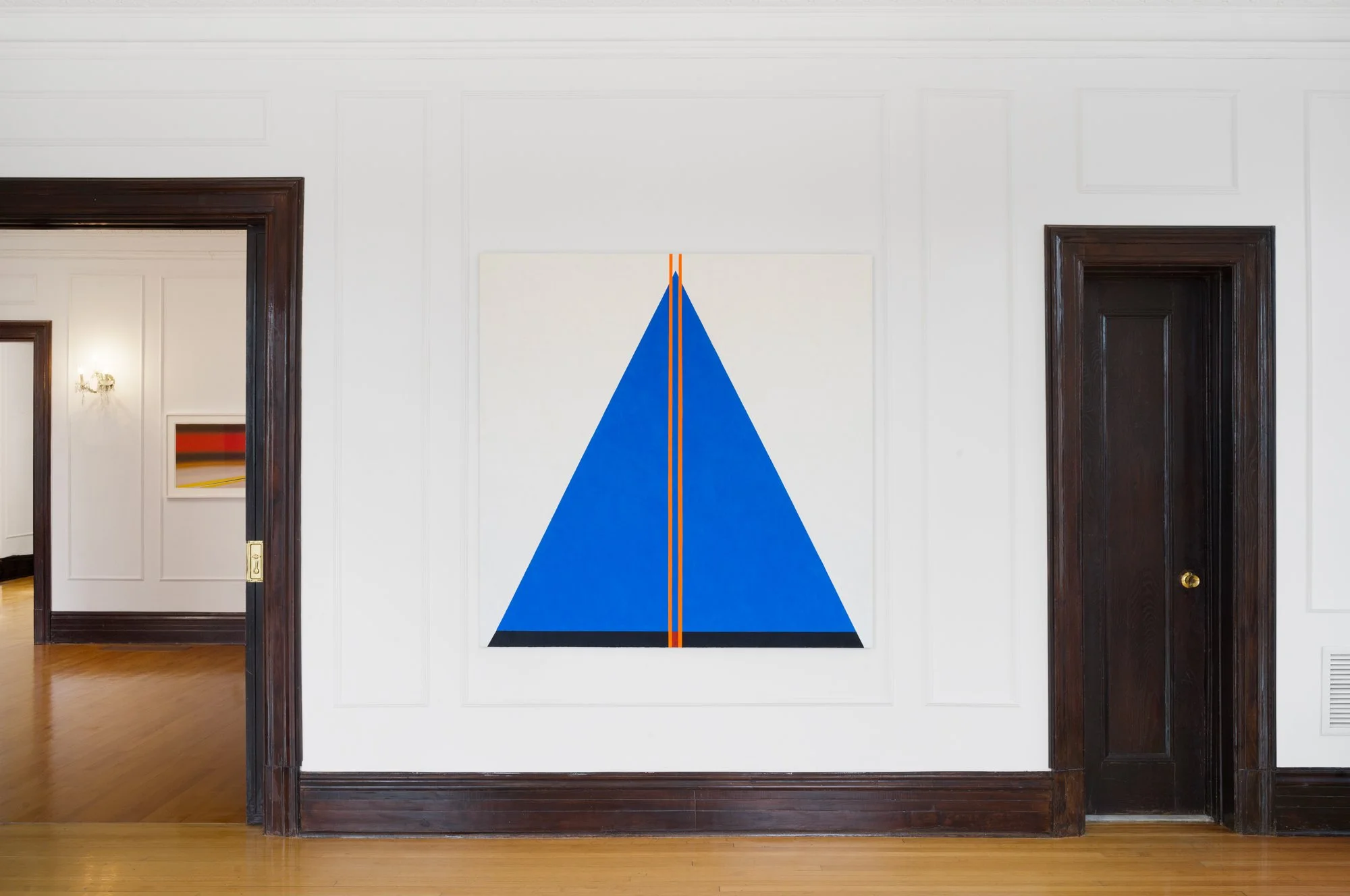
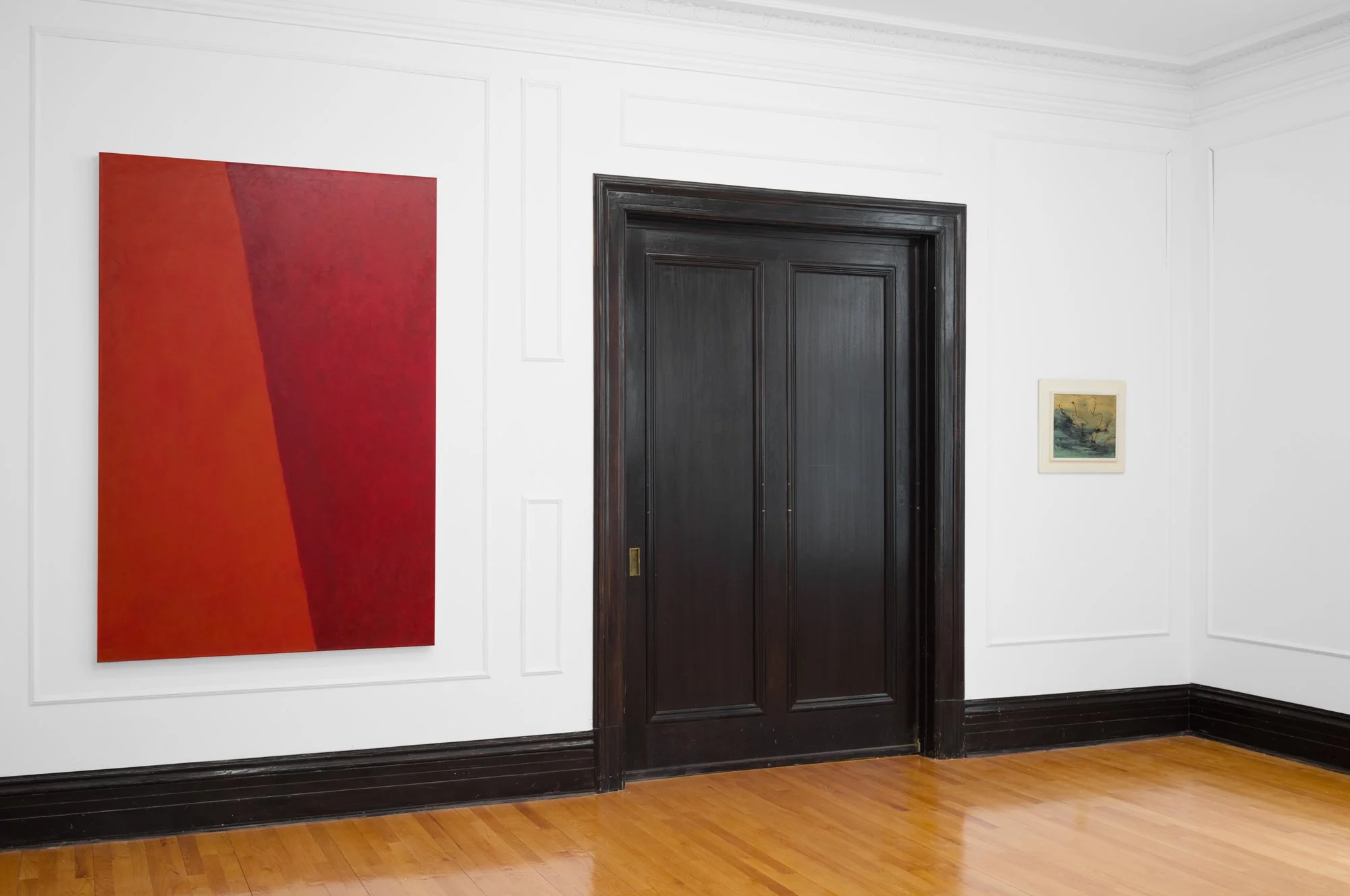
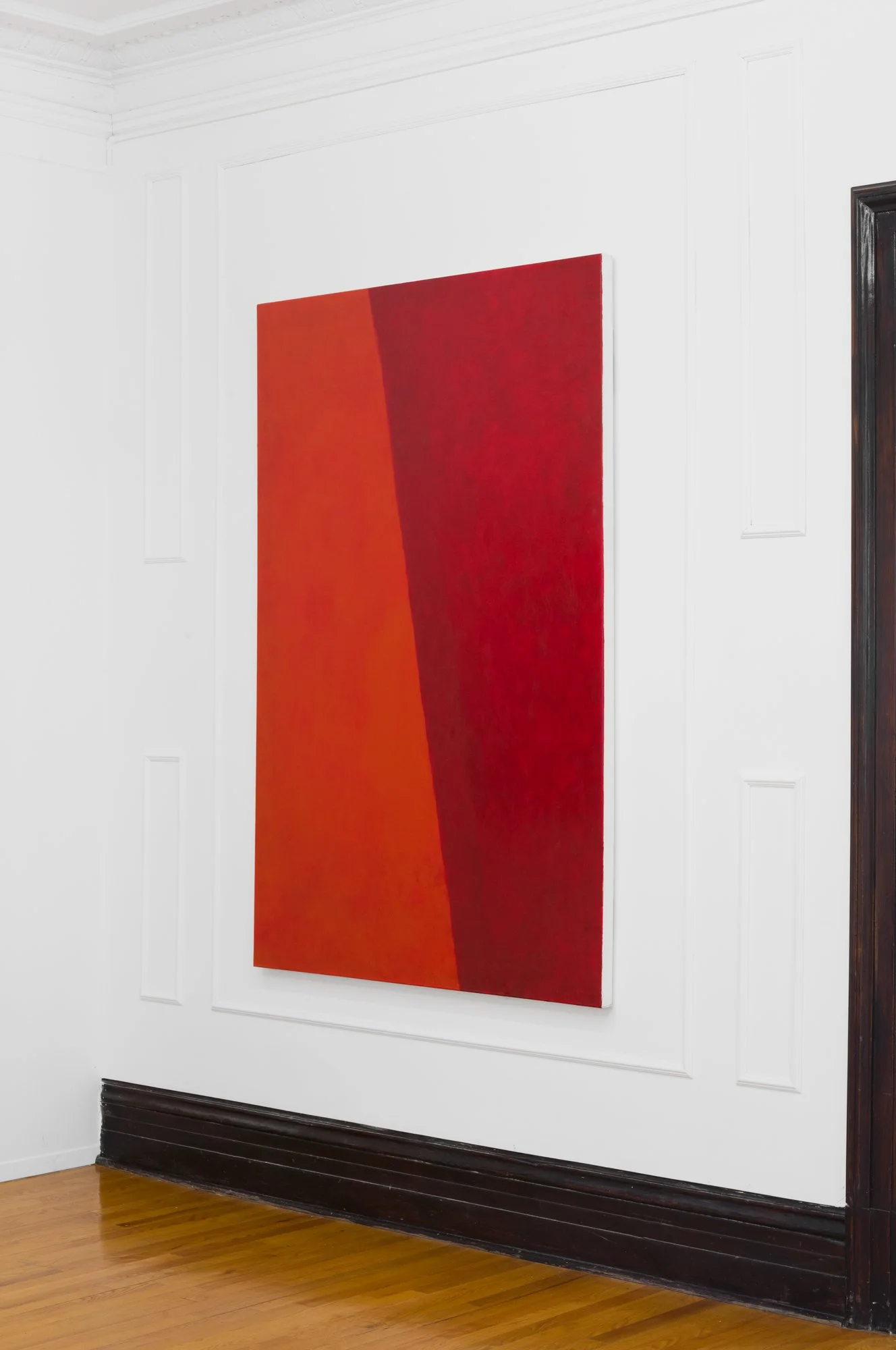
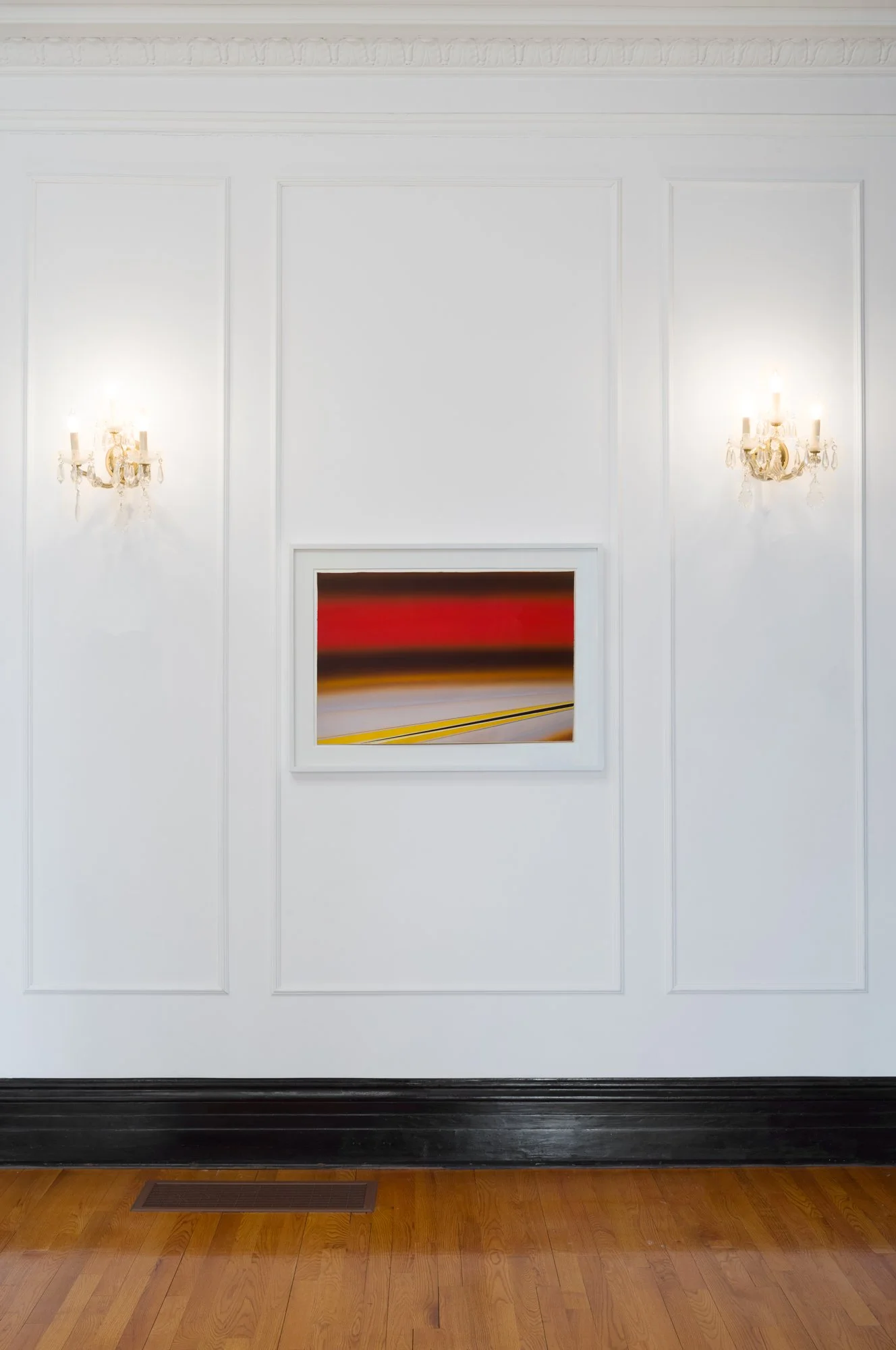
Running through Circles is the consistent proposition: that the world is not exhausted by what it presents to perception, and that its governing forces, whether ideological, infrastructural, psychological, or historical, register obliquely rather than directly, a method for giving shape to what ordinarily remains intangible, made visible through abstracted biomorphic, geometric and surreal vocabularies. Fresh horizons appear throughout the work of Rita Letendre. Her sensitive and immersive colour fields are often pierced by a single line recalling the steady flash of road lines on highway, a moment of sharp being that brings together a dynamic of light and speed. A modern landscape animated through her own gaze: no longer a figure, but an eye at the centre of the storm, she forms the horizon. In Letendre’s landscapes, for example Reflection on a Winter Night (1983), colours settle tentatively, evoking the fog at dawn. The silent fire of sunrise colours Sans Titre (N.D) defining an emerging horizon. Françoise Sullivan’s tempered acrylic canvases evoke that same sense of an expansive interior: hard surfaces sit closely together, in the fiery Rouges (2011), the space between them feel simultaneously tense and tender, as if they are about to merge.
Nan Montgomery’s geometric compositions, circles, squares and triangles come to delineate mapped meaning, yet the same dynamic sense of motion prevails. Animated lines run across Trilogy I, (2019) like snapshots, traces of the artist in conceptual, two-dimensional space. Somehow, in there, Montgomery finds a way to introduce more depth. There is a sense of being in that space with her — the newly charted world extending itself beyond the boundaries of the image. Likewise, in a large canvas brushed with iridescent turquoise, yellow and cyan, Élise Lafontaine’s Ogive (2026) first evokes a natural structure, branching out like the prismatic light of a chandelier, soon morphing into the memory of a moment, a revelation of sorts. The psychedelic specificity of Lafontaine’s brushwork suggests that the space may extend deeply into the canvas itself if you only keep looking — perhaps the same place that Westerlund Roosen was trying to get to. It is another type of horizon altogether, a space where perspective becomes manifestation, the space of impossibility turned inside out, continuously unfolding.Xenia Benivolski is a writer and curator working with visual and sound art. She contributes regularly to Frieze, e-flux and Texte Zur Kunst. Forthcoming books include On Glass, Metal and Worms (Wolke Press, 2026) and See Through Music (Silver press, 2027).
———-
[1] Emerson, Ralph Waldo. “Circles.” Essays: First Series. James Munroe and Company, 1841, pp. 249–272. (p. 249).
[2] In Vision and Difference, Griselda Pollock writes: “It is possible to represent space by other conventions. Phenomenology has been usefully applied ...[sic]... Instead of pictorial space functioning as a notional box into which objects are placed in a rational and abstract relationship, space is represented according to the way it is experienced by a combination of touch, texture, as well as sight.” Pollock, Griselda. “Modernity and the Spaces of Femininity.” Vision and Difference: Femininity, Feminism and the Histories of Art, Routledge, 1988, pp. 50–90.
[3] The struggle for abstraction is a struggle for intellectual recognition. More on the discourse of queering abstraction can be found in Jeppesen’s articulation which finds it “charted throughout the whole history of art, starting with that proto-Modernist moment when Wilhelm Worringer first articulated abstraction, not as a style but as a mode of intentionality.”
Jeppesen, Travis. “Queer Abstraction (Or How to Be a Pervert with No Body). Some Notes Toward a Probability.” Mousse Magazine, 16 Jan. 2019.
[4] Waldo, 250.
[5] The “storm of modernity” is a central metaphor for Walter Benjamin: “this storm is what we call progress” (p. 257) Benjamin, Walter. “Theses on the Philosophy of History.” Illuminations, edited by Hannah Arendt, translated by Harry Zohn, Schocken Books, 1968, pp. 253–264.