The Creatures Utter Their Complaints
Artist: India Sachi
Dates: November 12 to December 19, 2026
Opening: Thursday, November 12, 2026, from 5-8 p.m.
Venue : Pangée, 1305 ave des Pins Ouest, Montreal
-
The Creatures Utter Their Complaints
Cities once ran on whale bodies. Inputs of coordinated attack and weaponry, industrial processing, and diverse commodification led to outputs of lamp oil, soap, umbrella ribs, perfume fixative, candles, corsets, on and on. Whale bodies lit dances, shaped silhouettes, and ran machinery. But all of this also produced its own demise. Overfishing turned abundance to scarcity. A familiar tale.
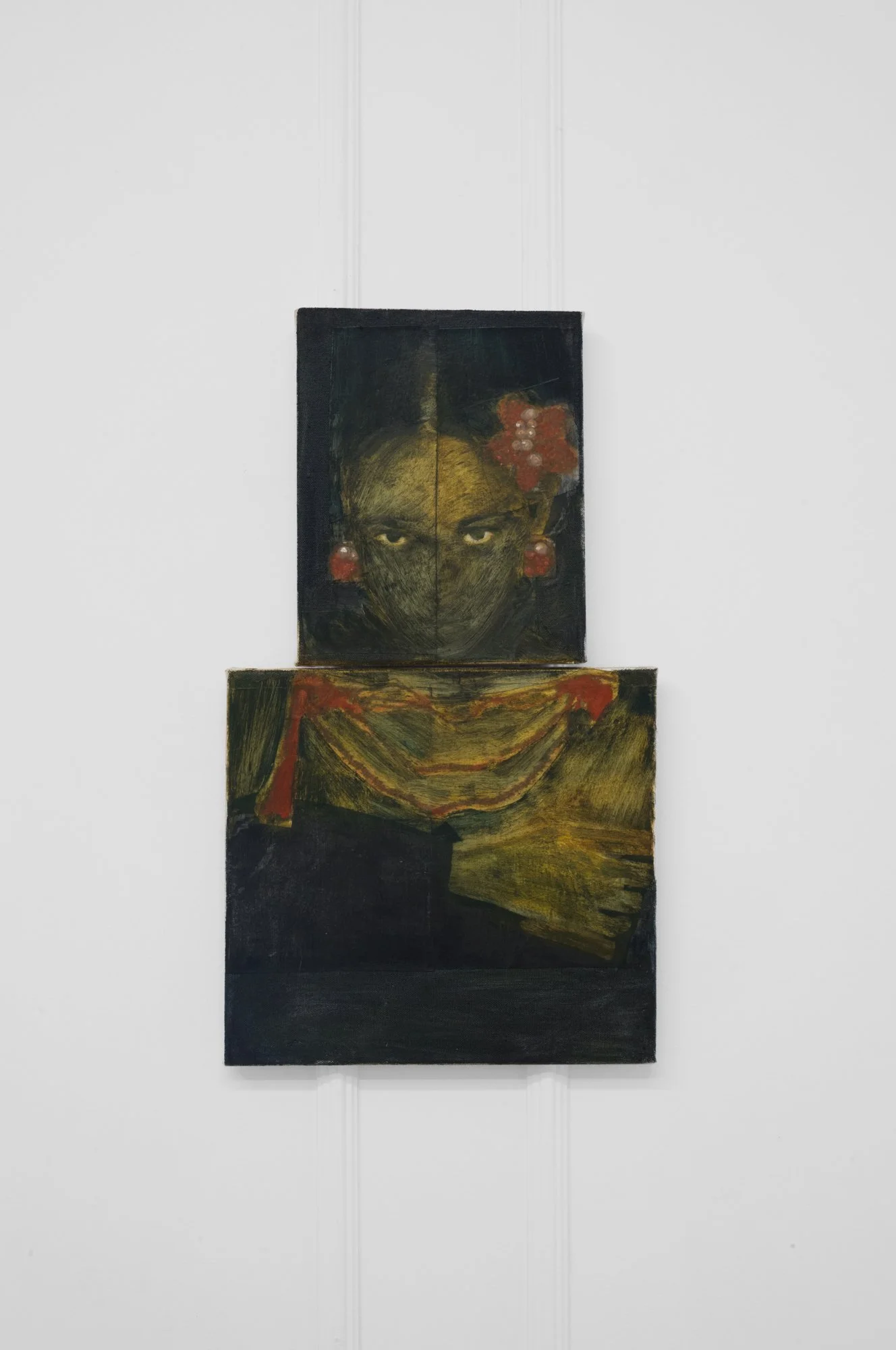
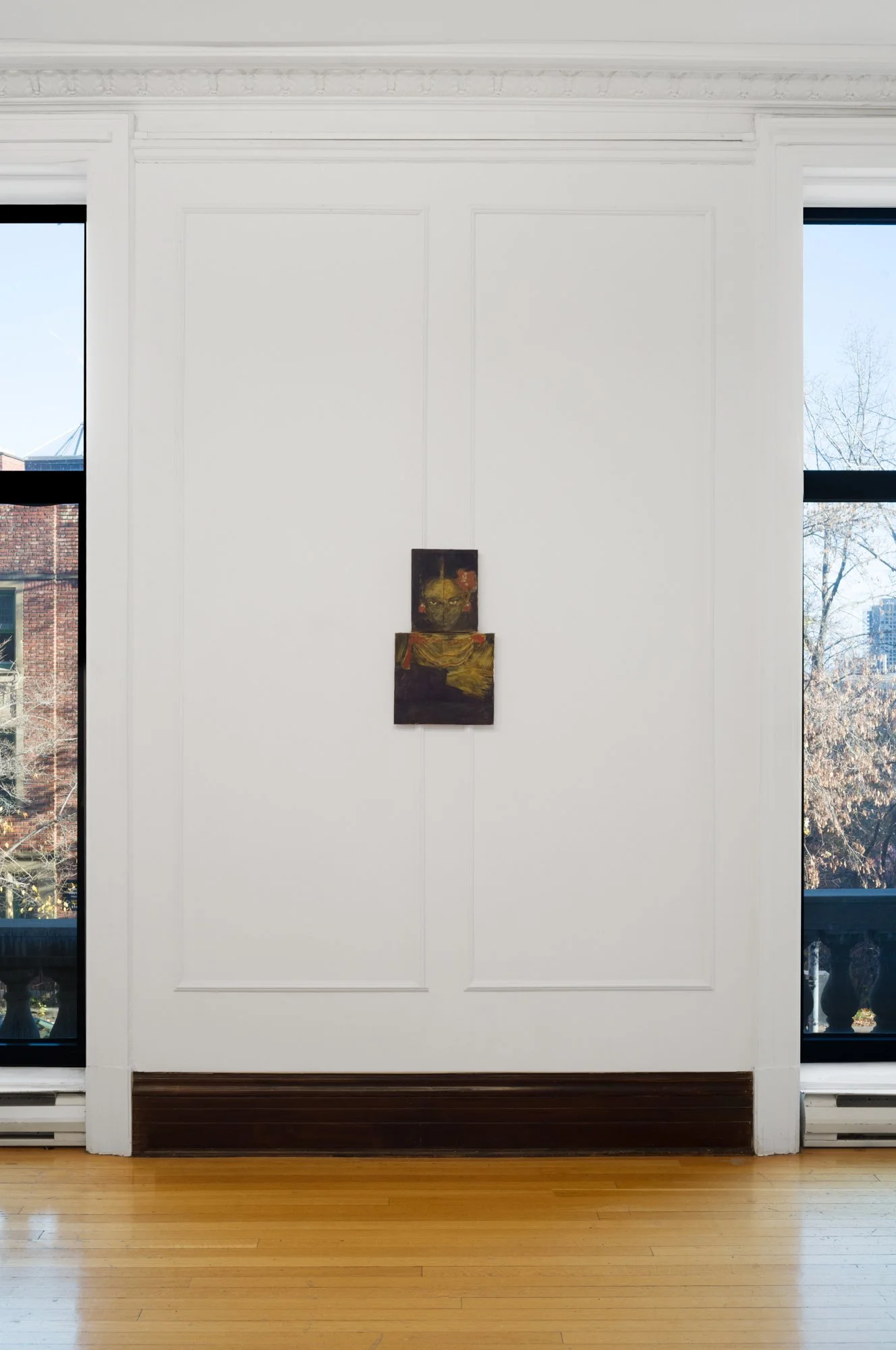
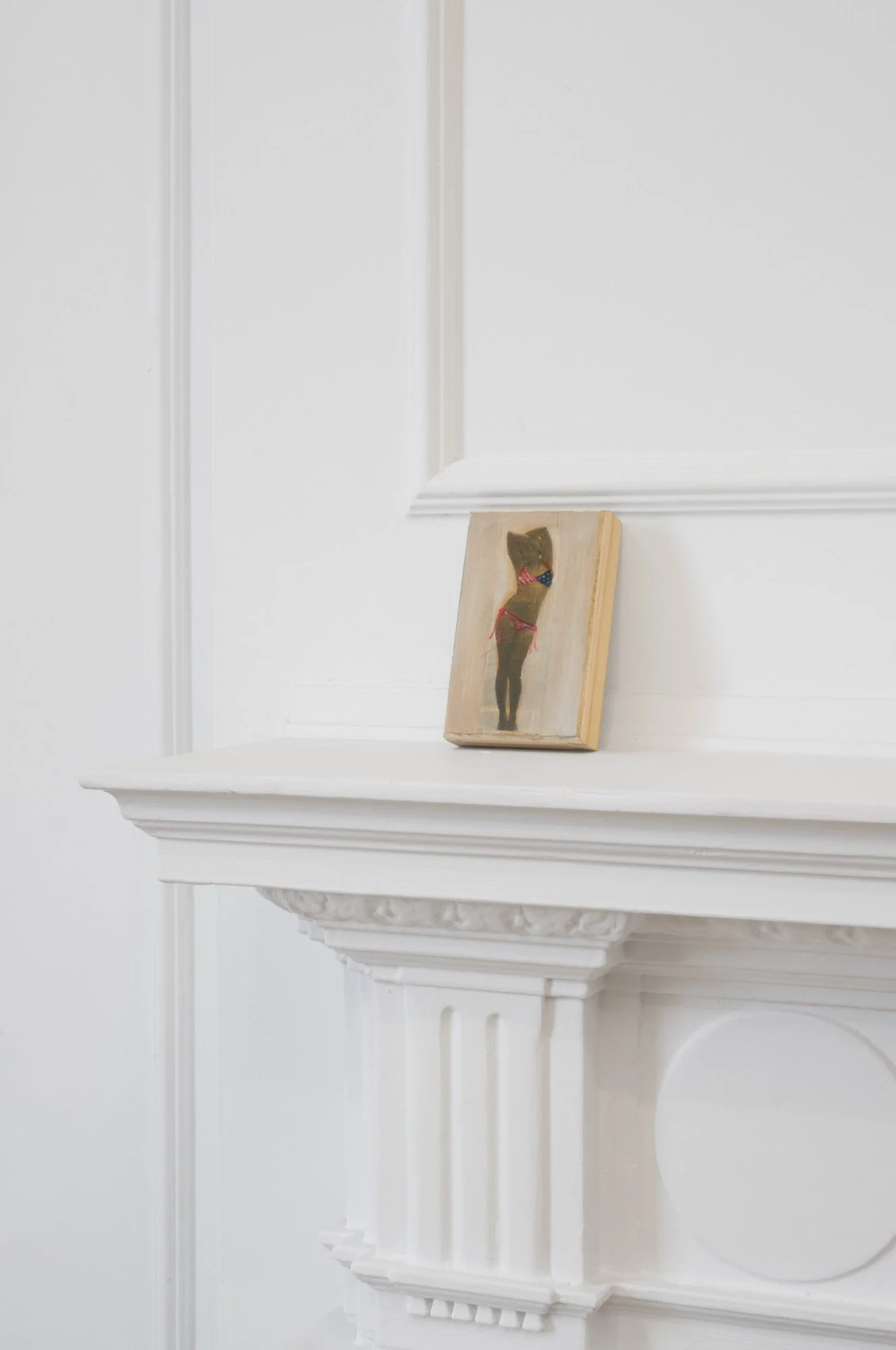
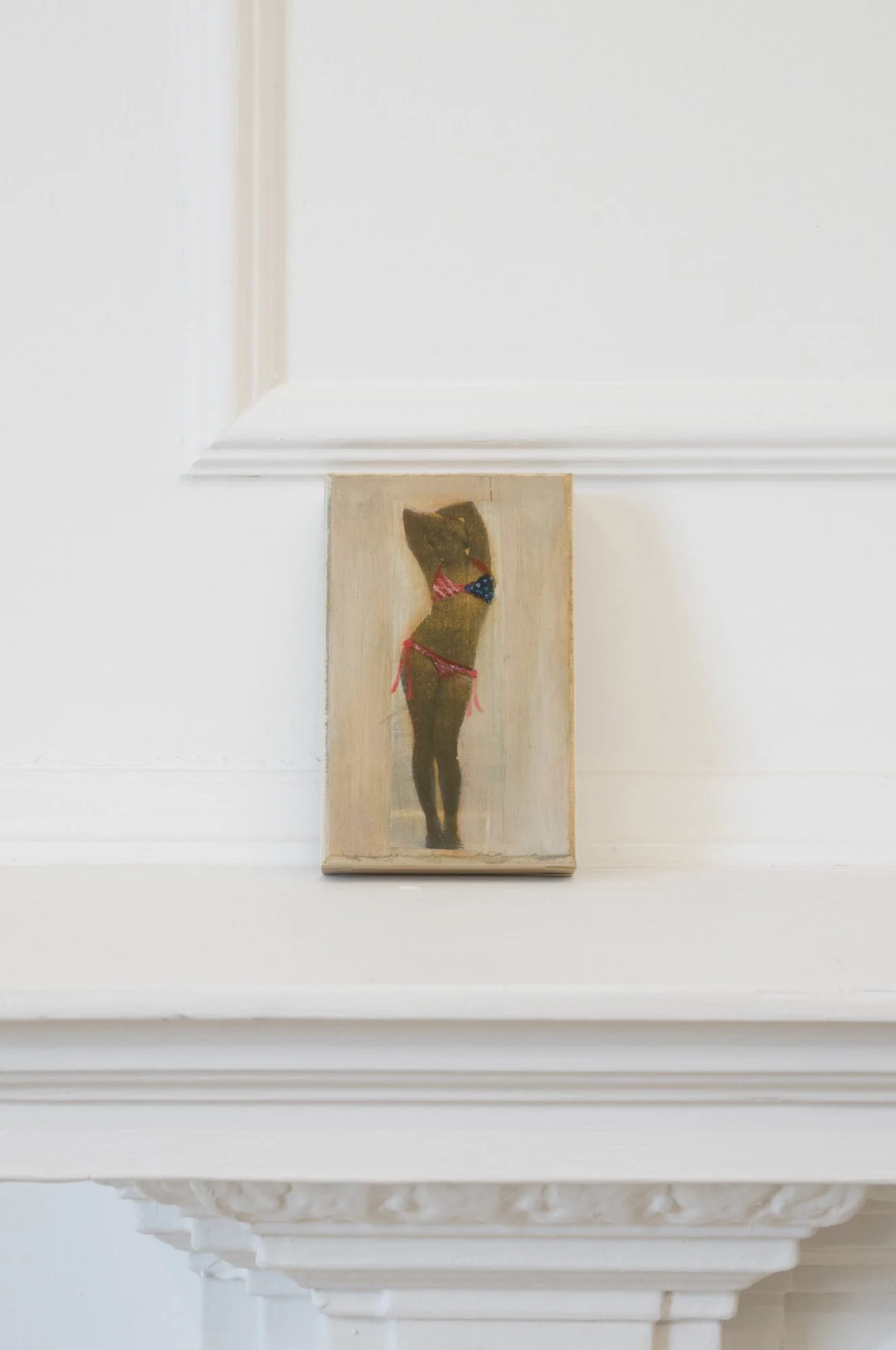
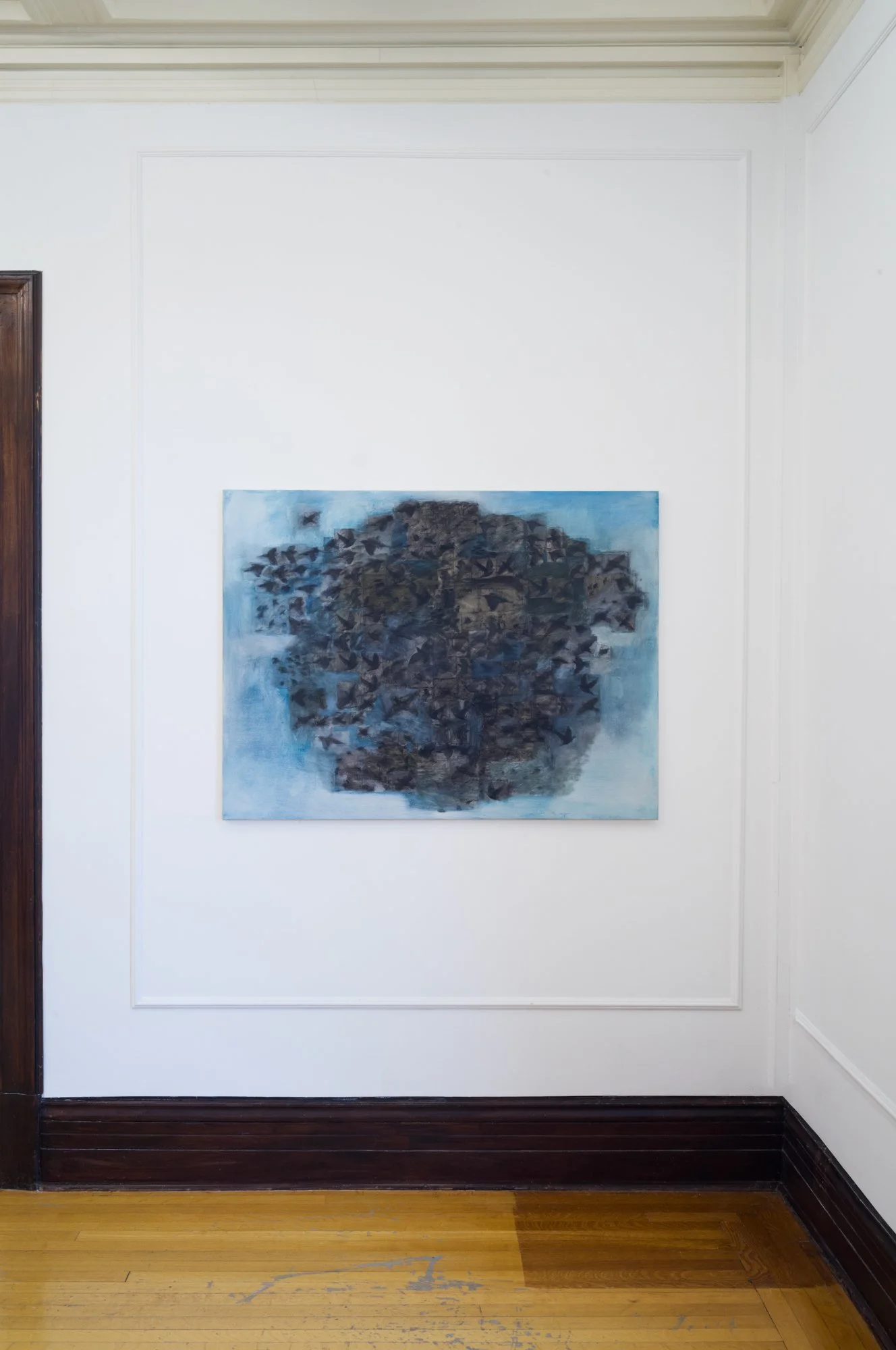
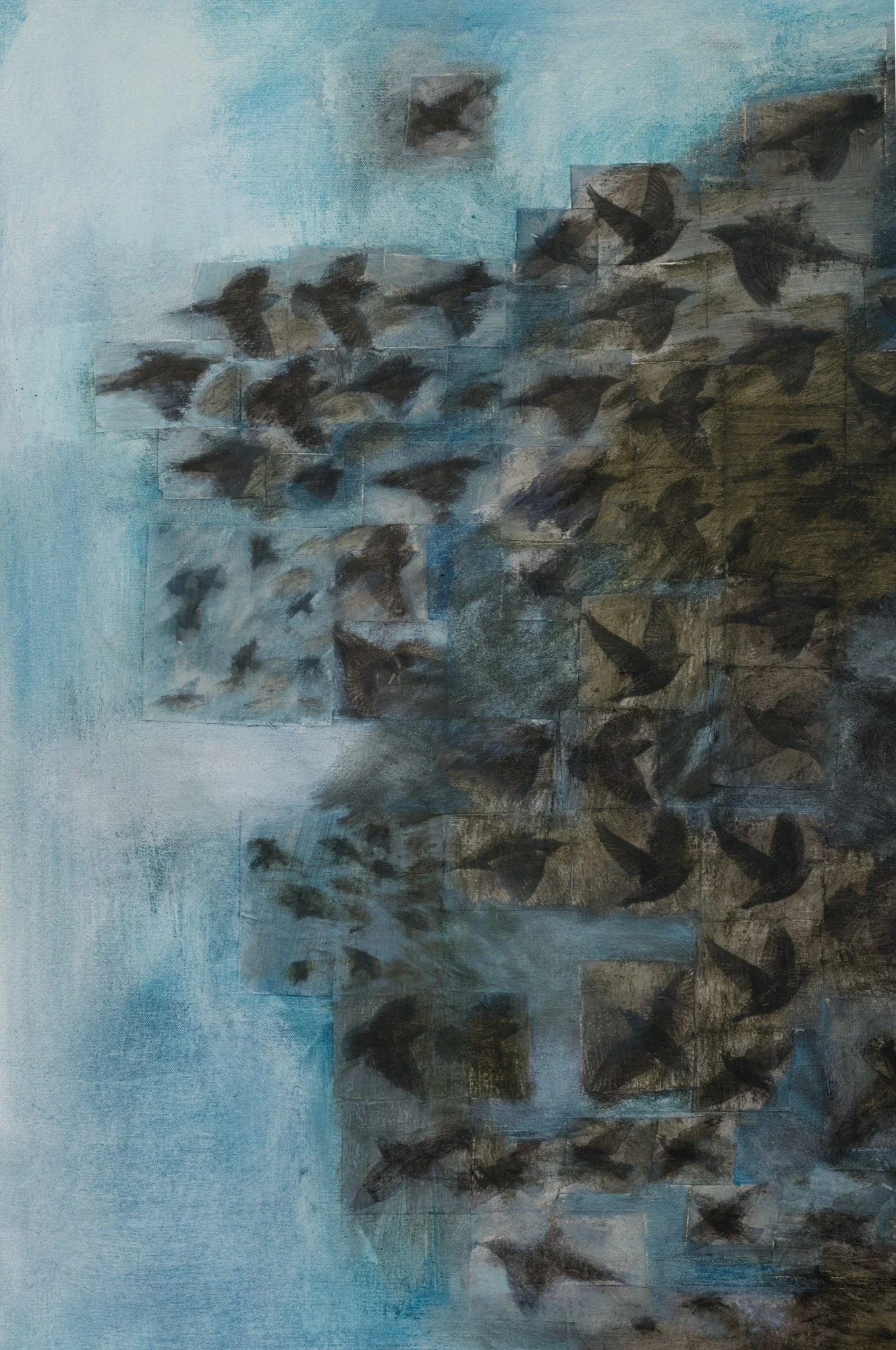
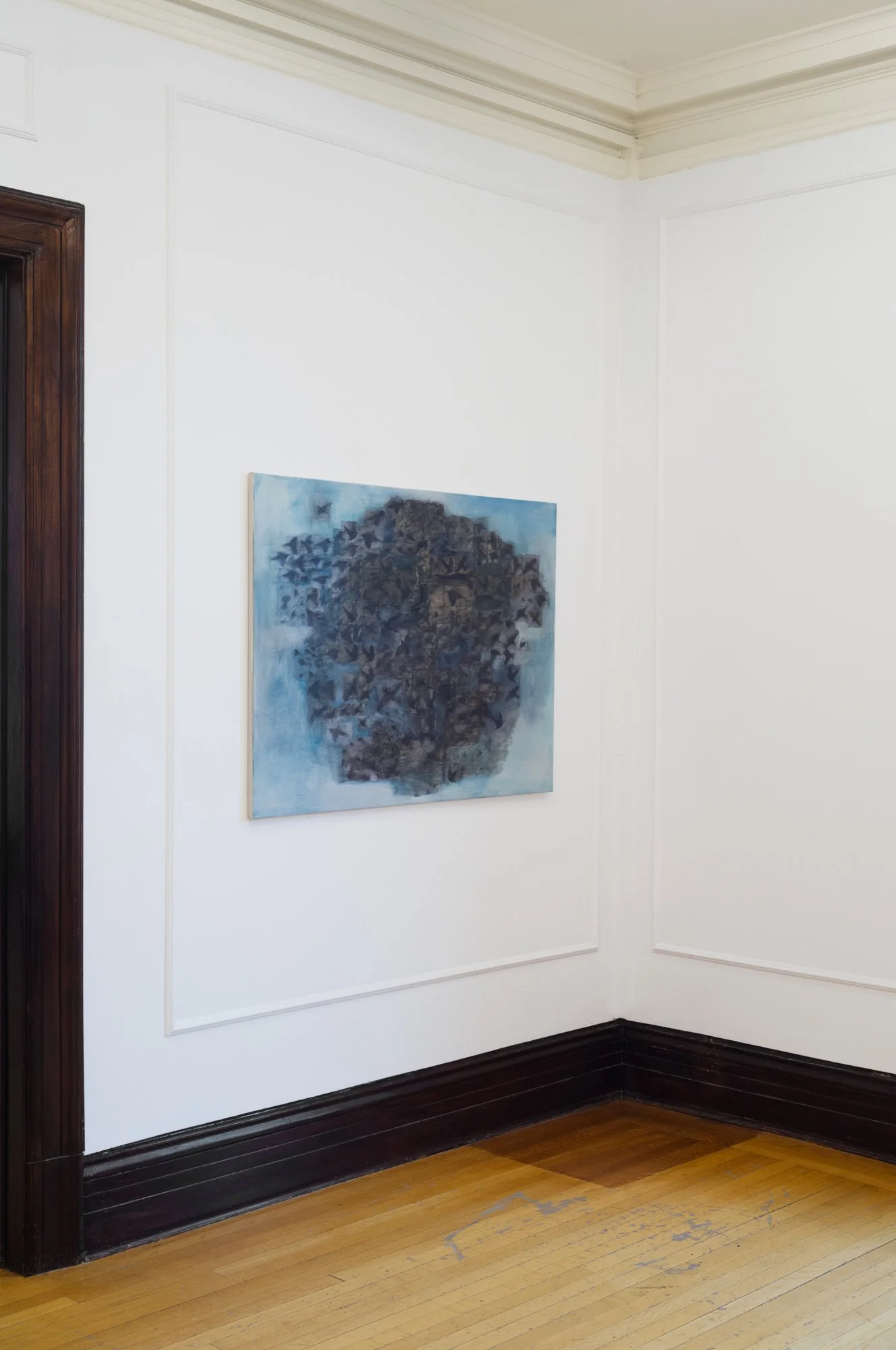
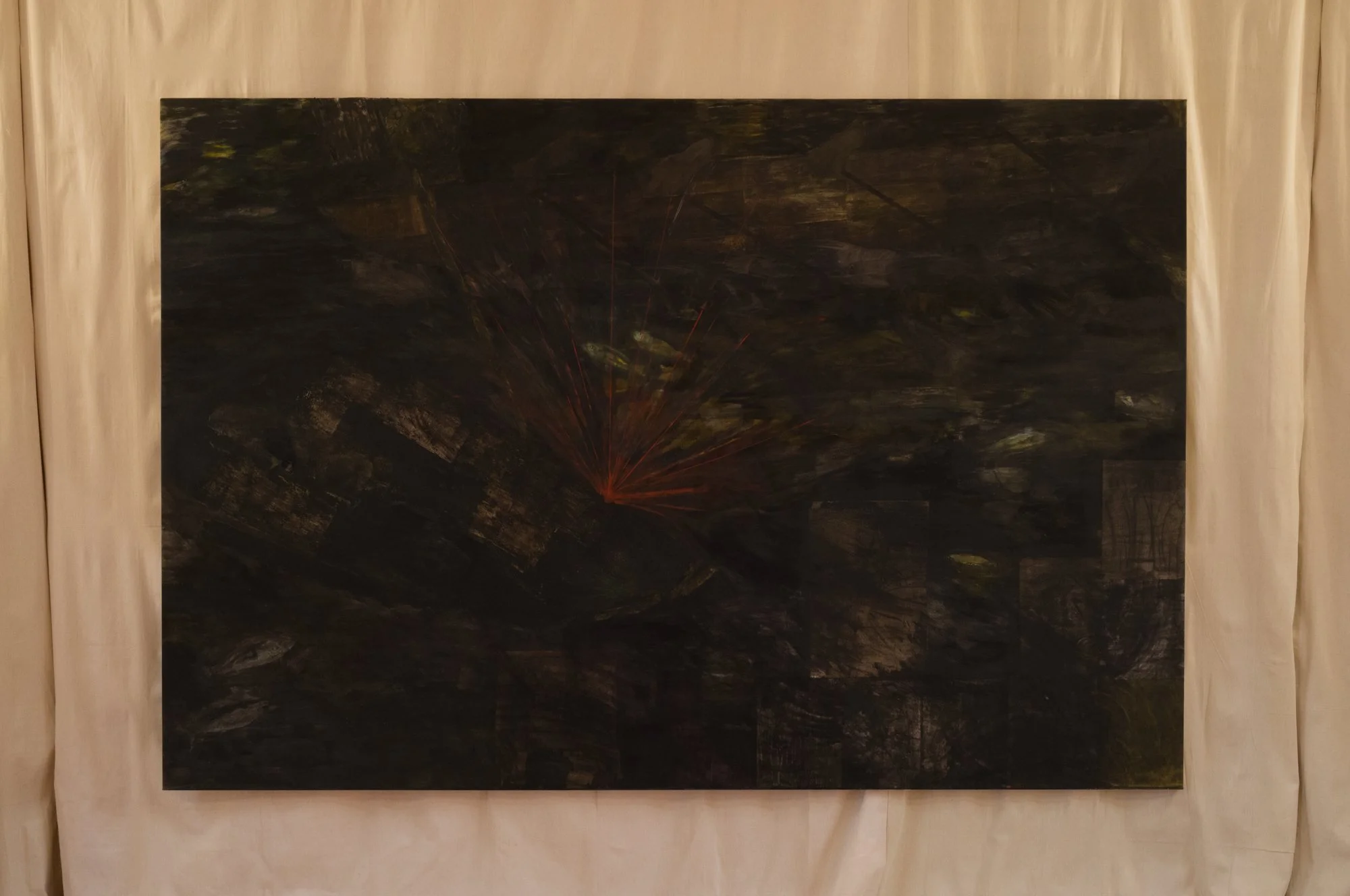
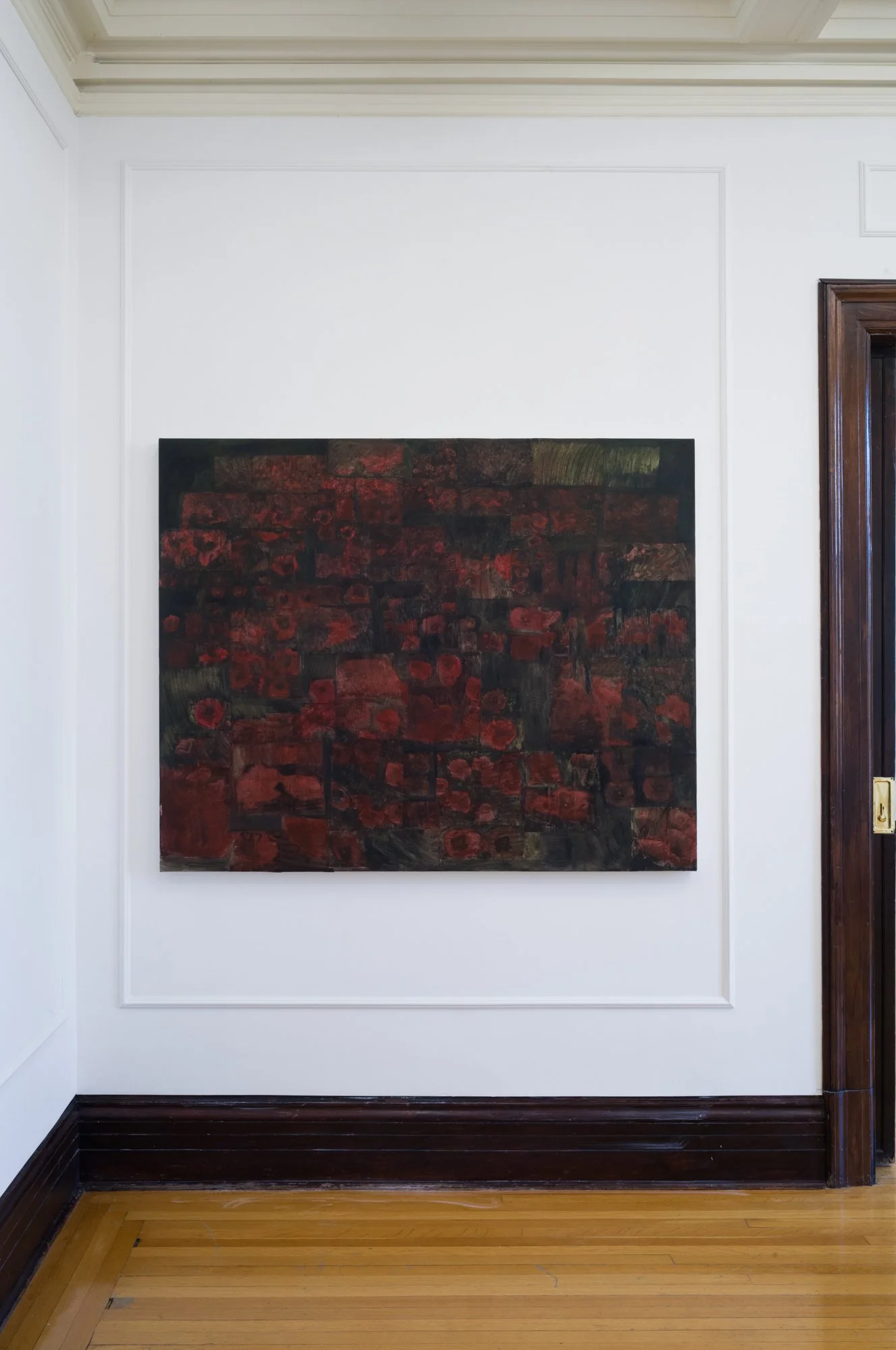
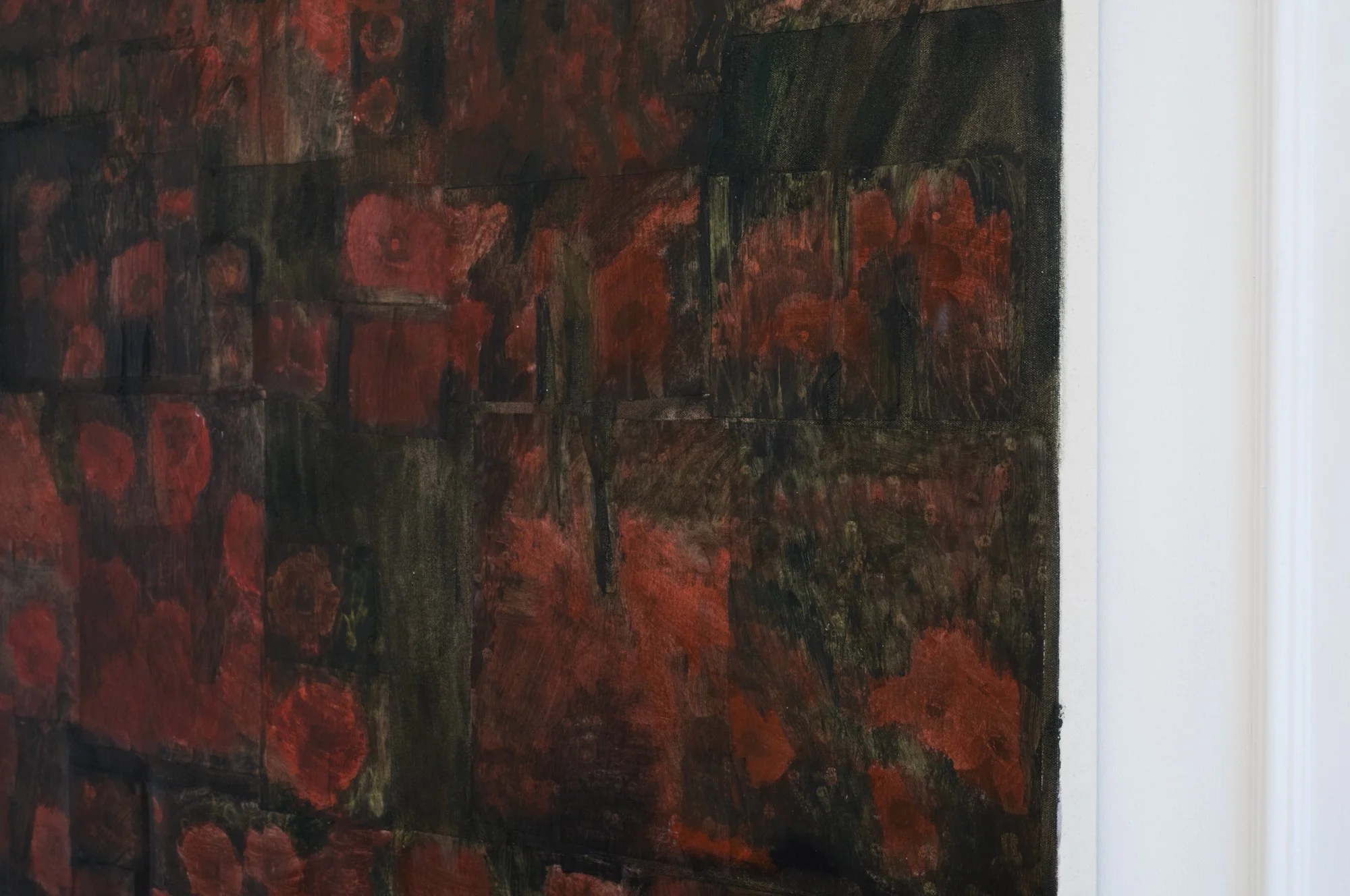
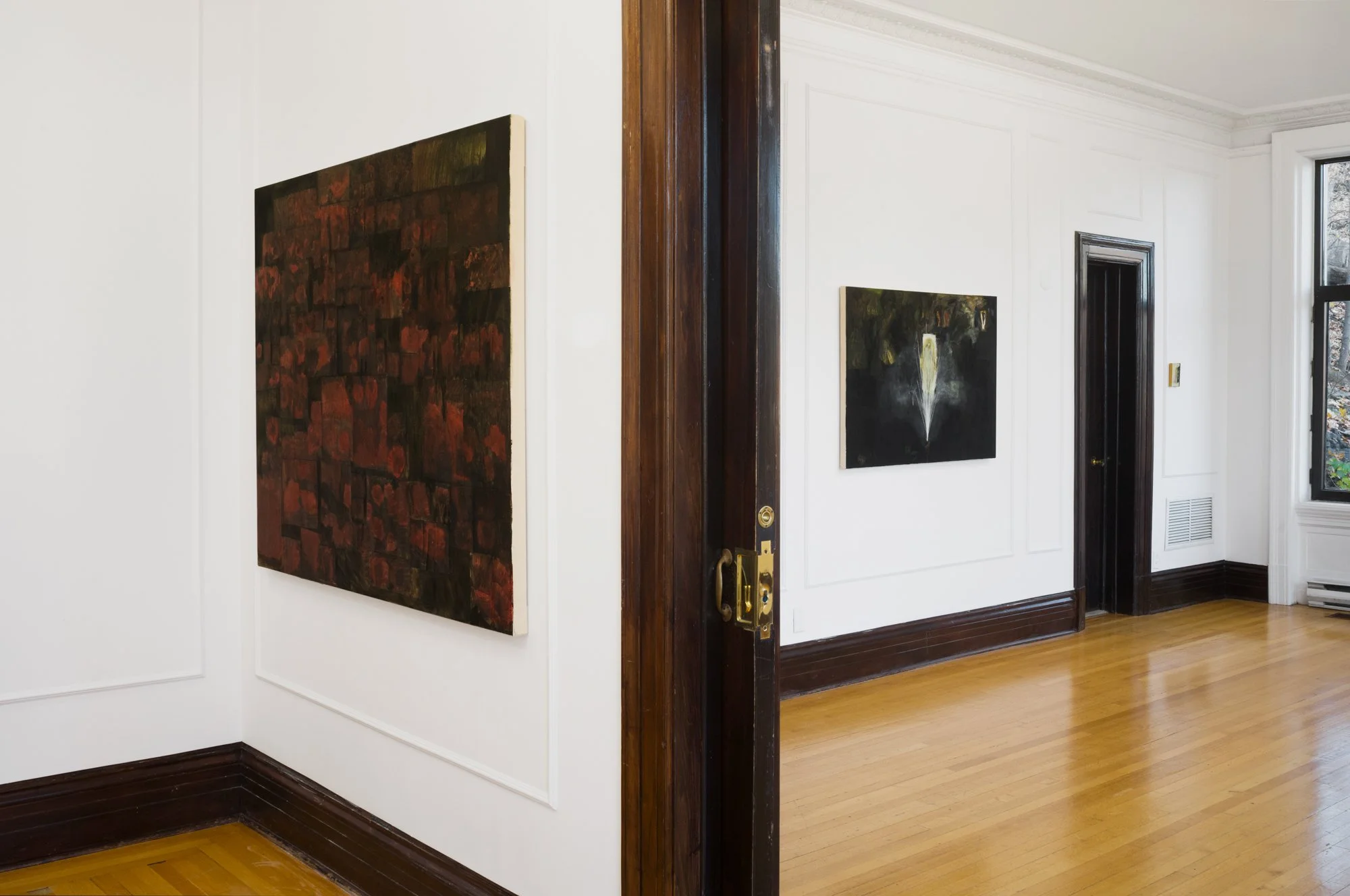
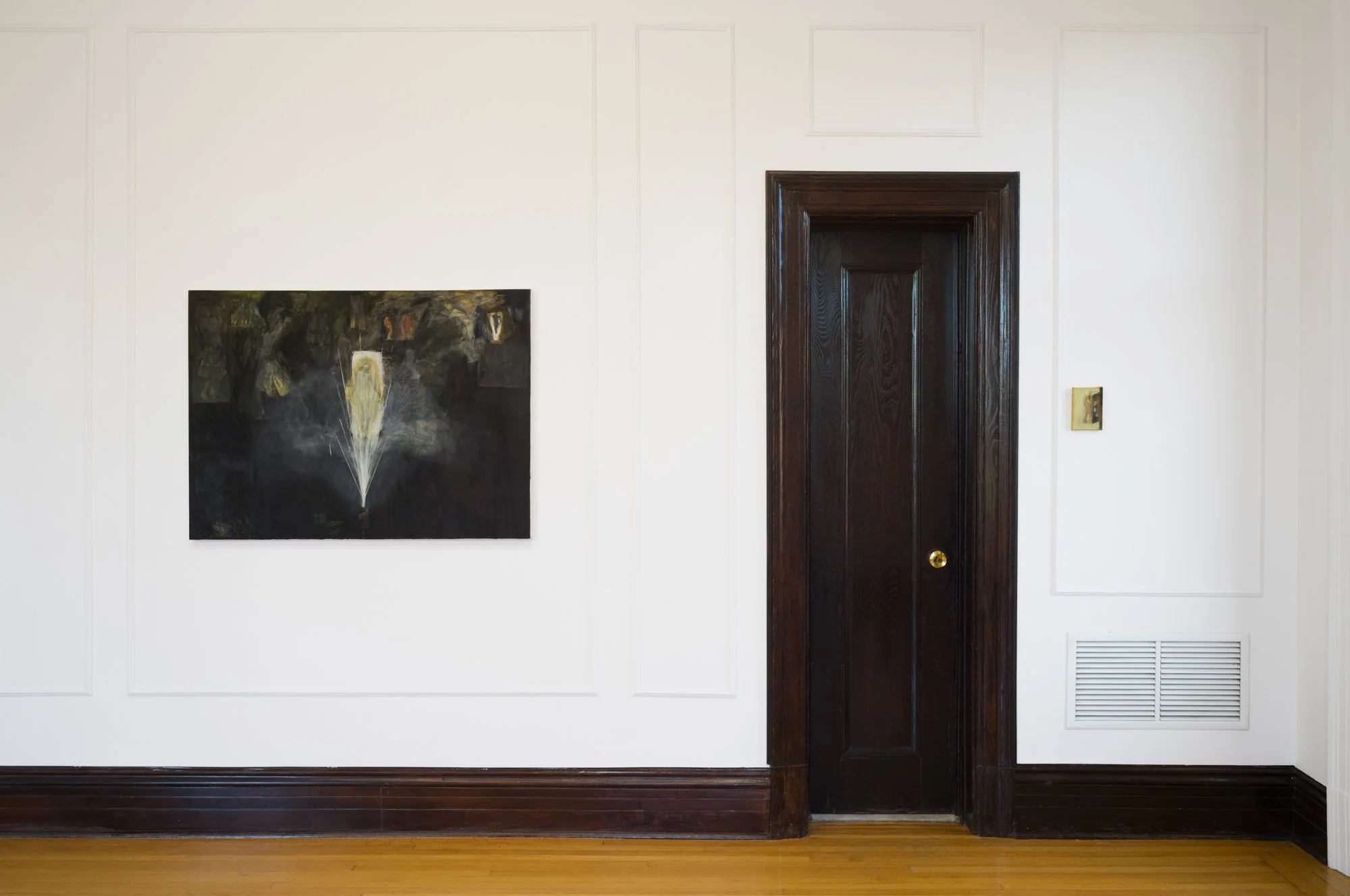
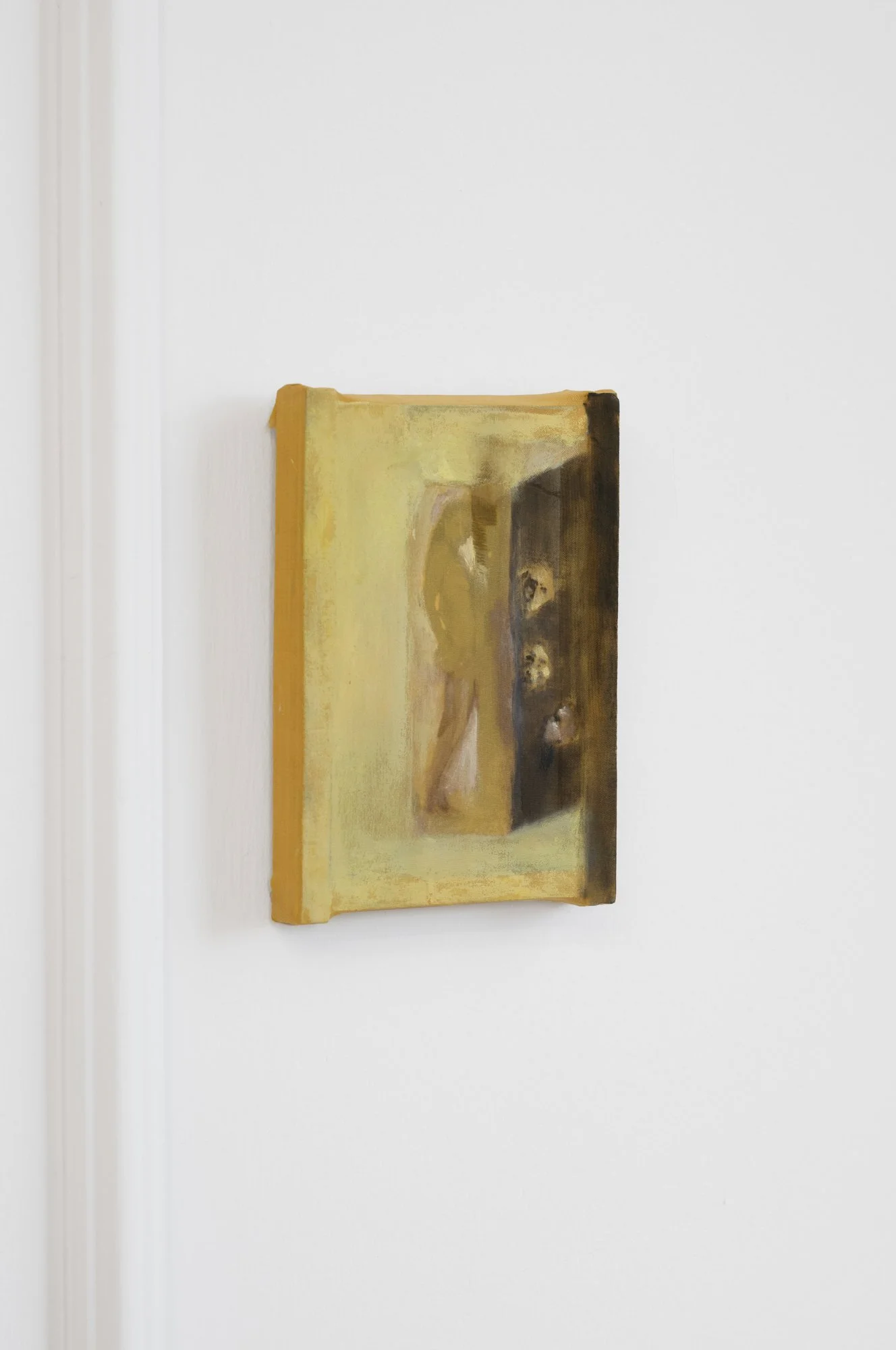
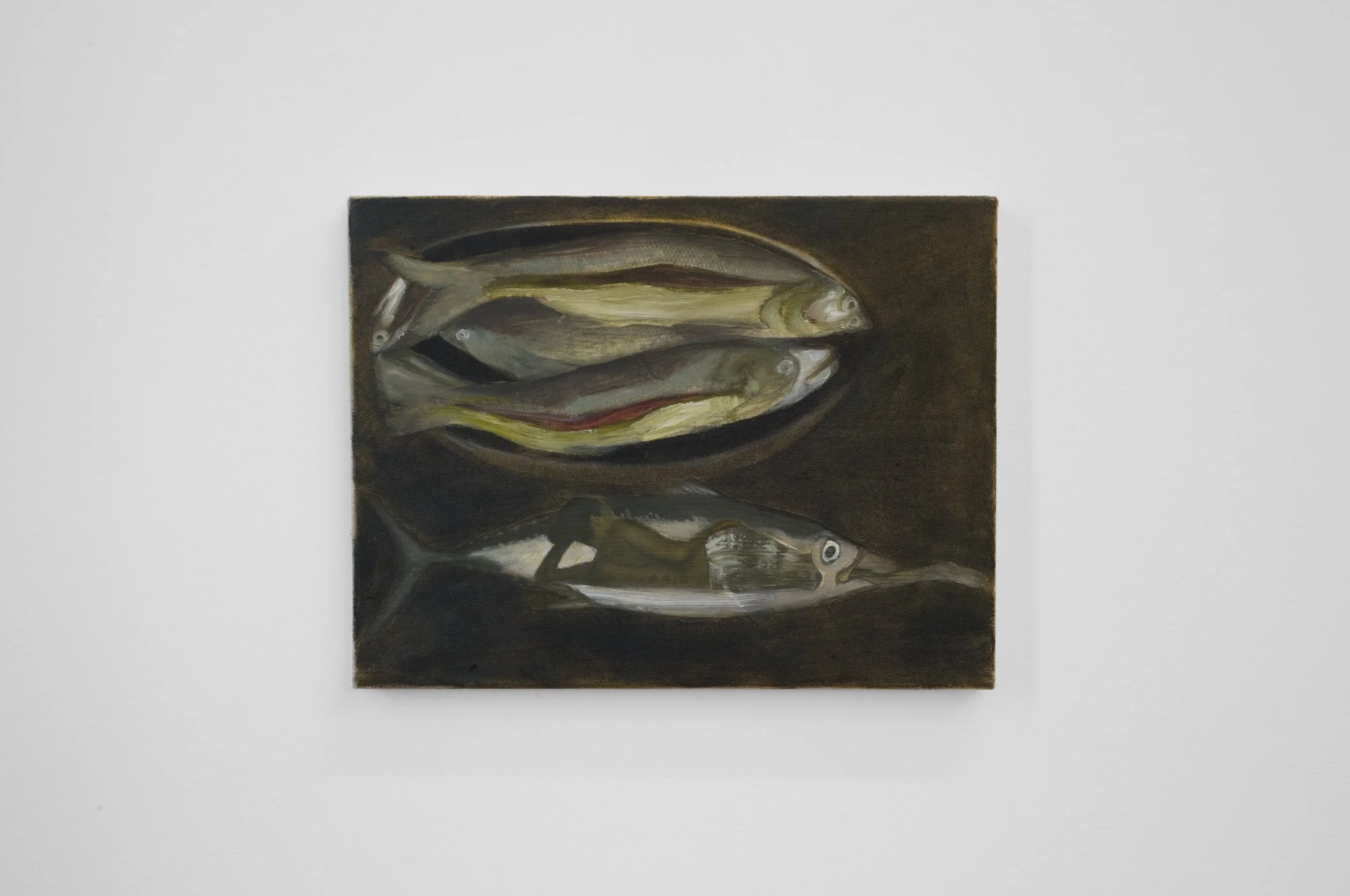
India Sachi’s The Creatures Utter Their Complaints, the artist’s first solo exhibition with Pangée and in Canada, follows the plunder of earthly wonders that are transformed into commodities and luxuries. Poppies into opium; worms into silk; gems into jewelry. Extractive violence metamorphized into human pleasure. Such delights are matched by people’s penchant for grievances, Sachi identifying a balance of abundance and complaint that has persisted in history through to our present, fraught, time. Such a balance feels untenable to Sachi, spurring an exhibition that attempts to illustrate what we as creatures take and how a lechery for resources creates beauty, chaos, and systems of conditional relation.
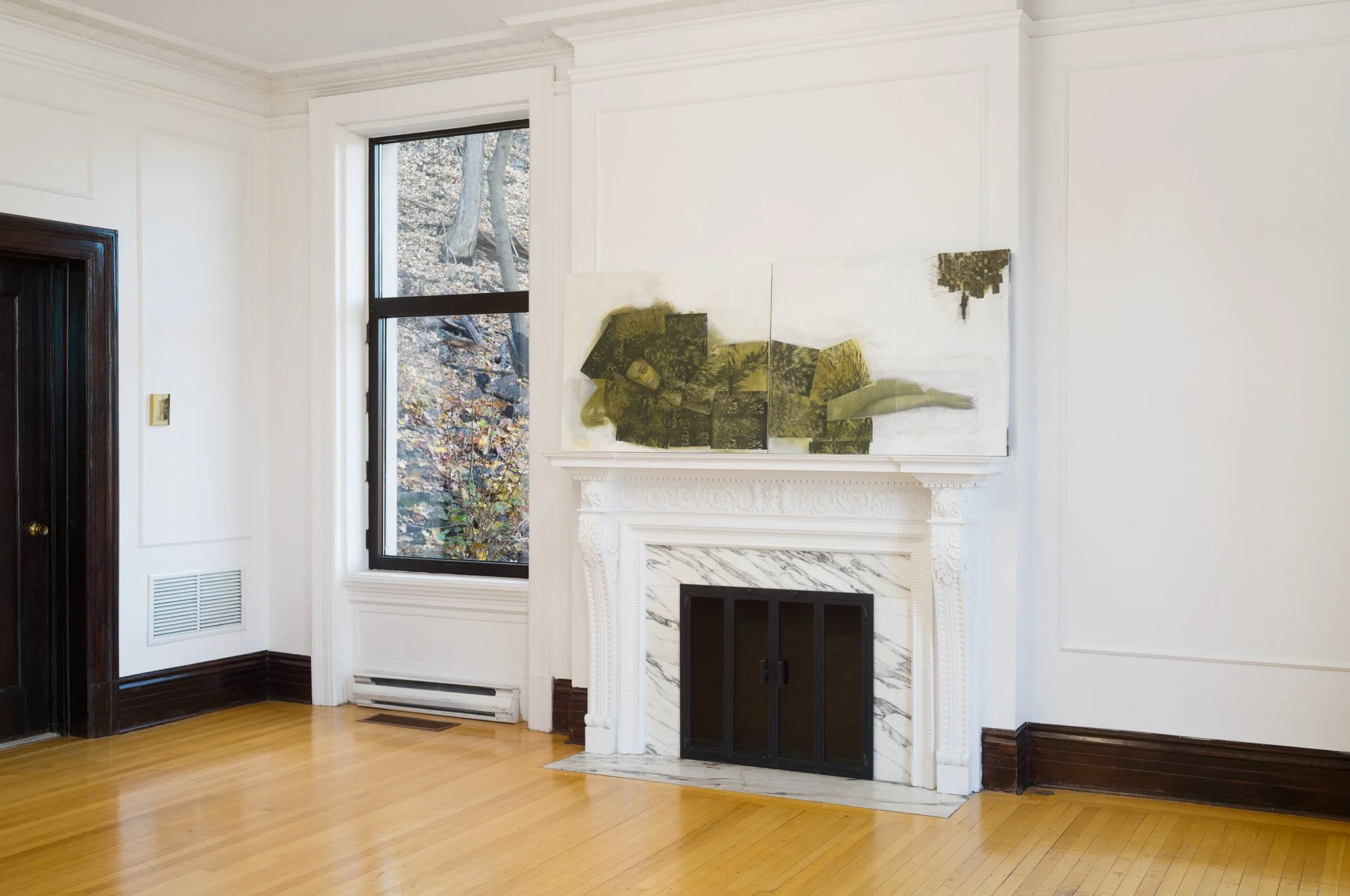
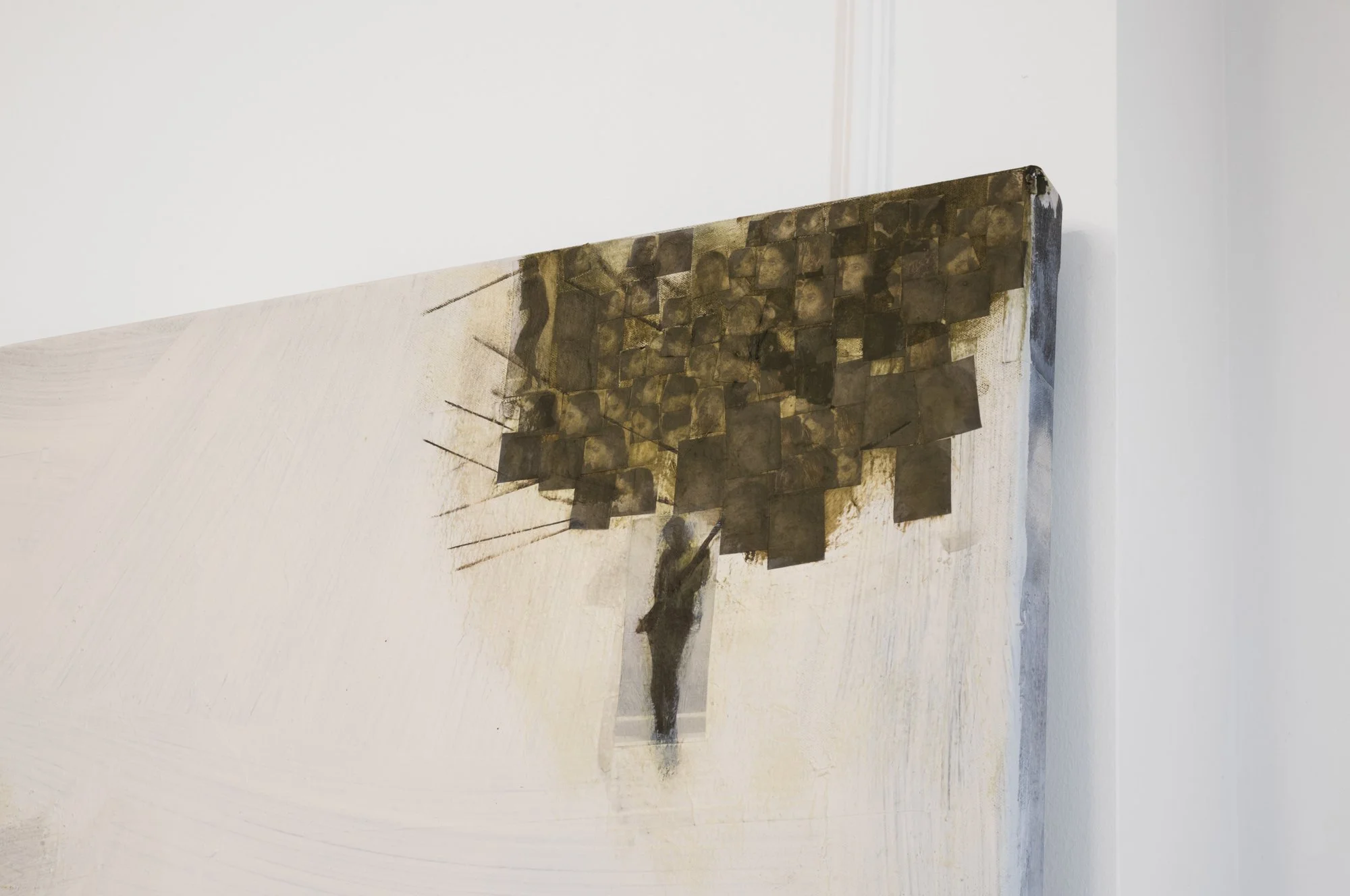
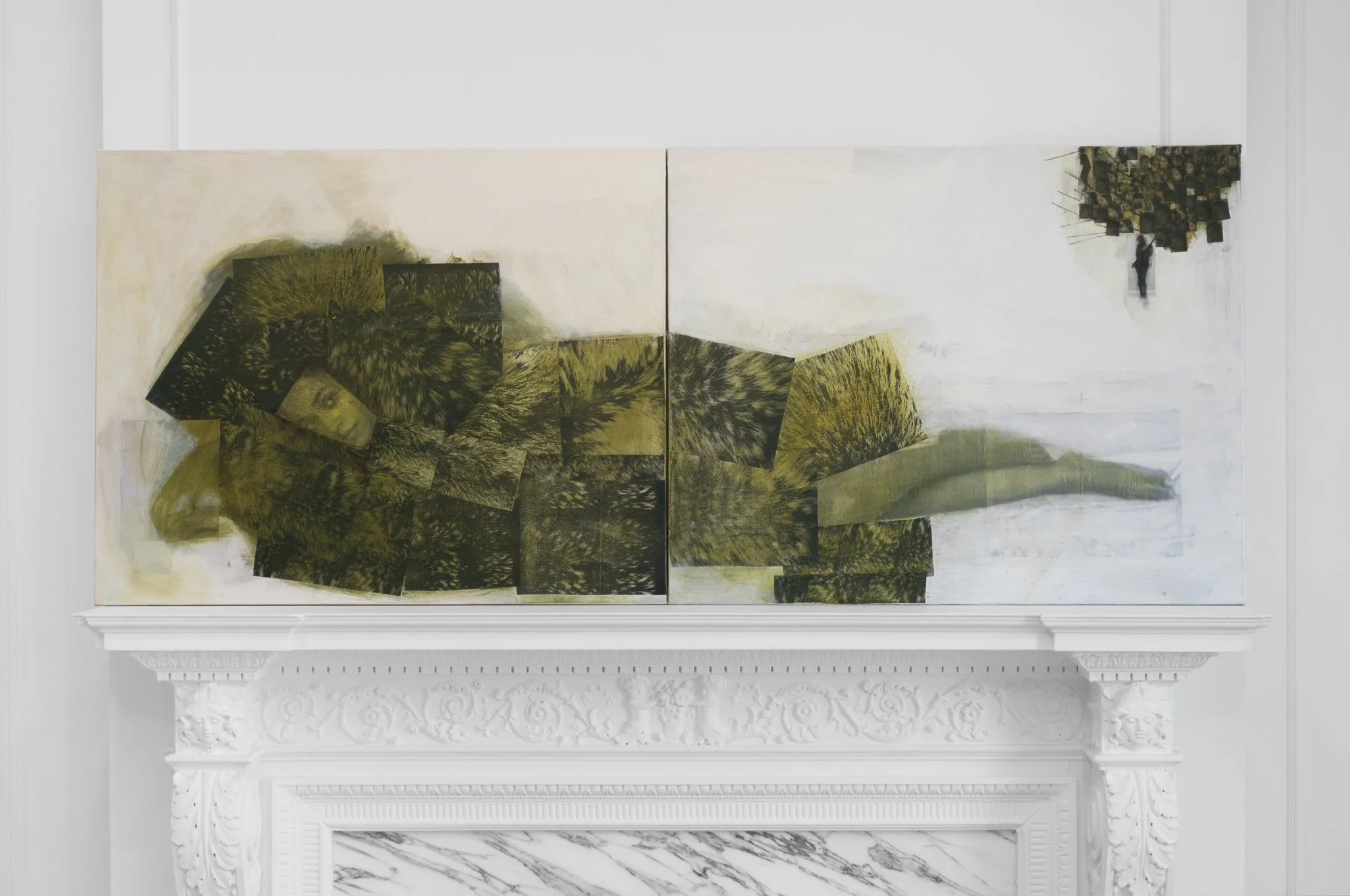
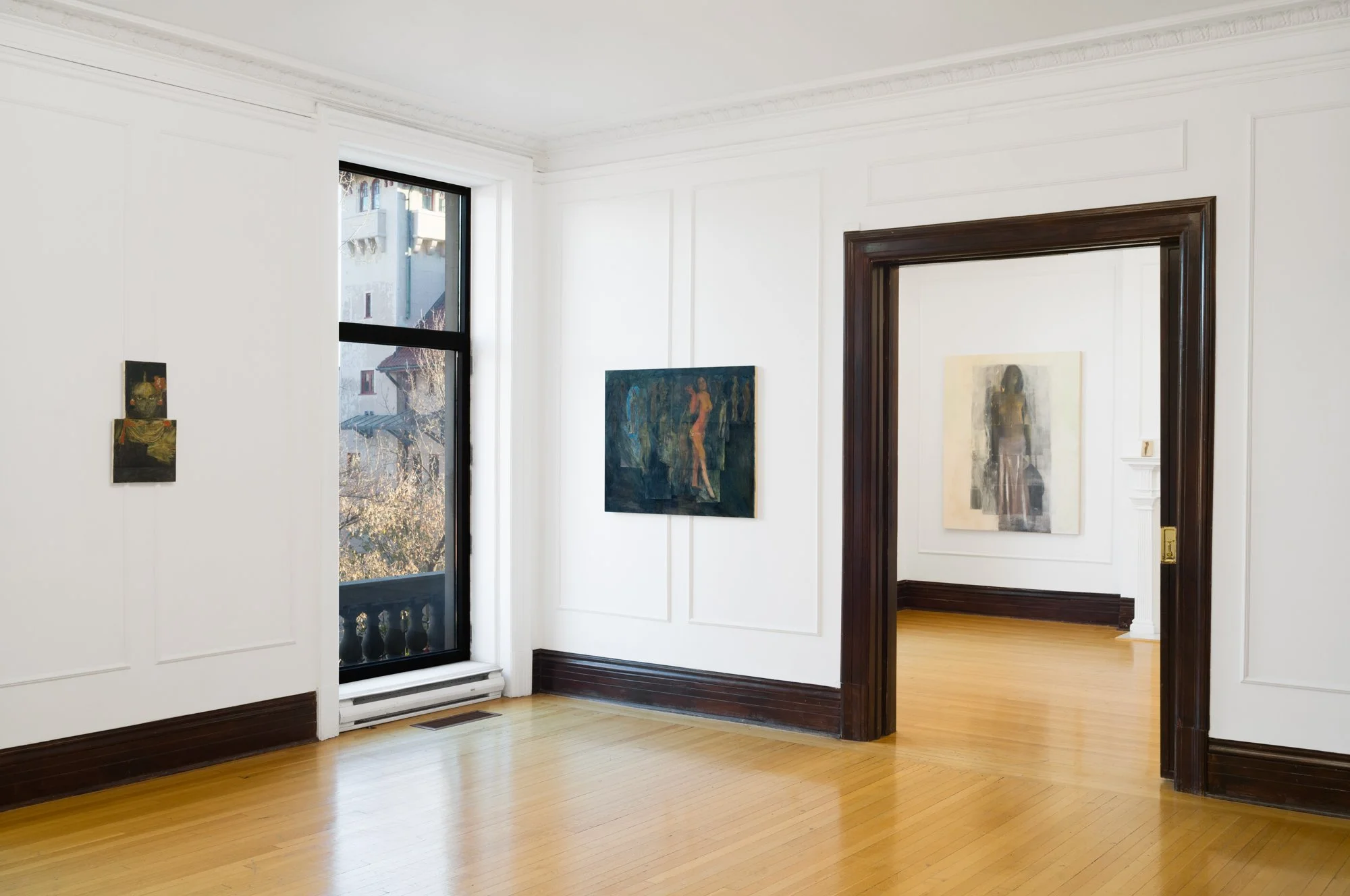
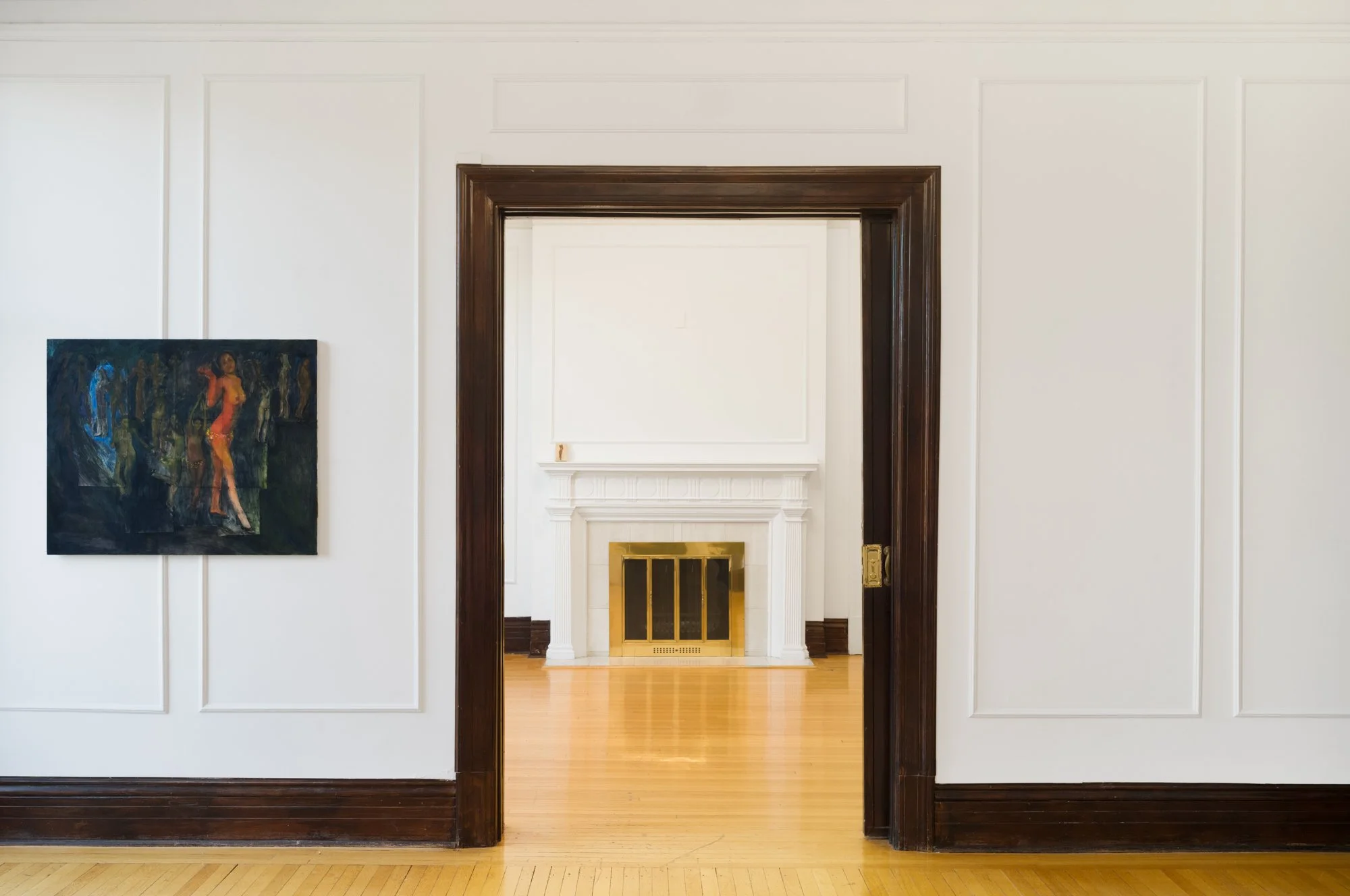
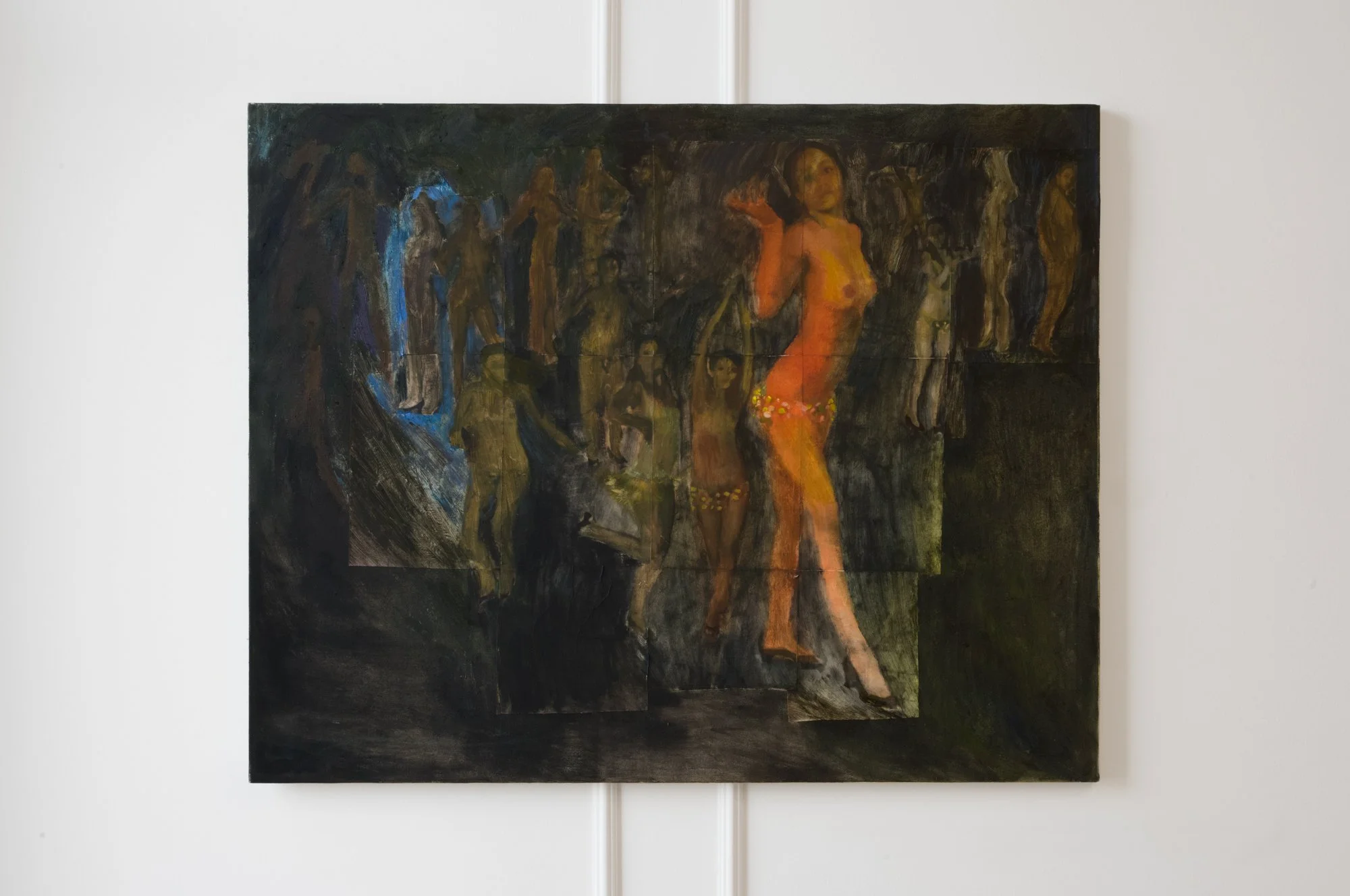
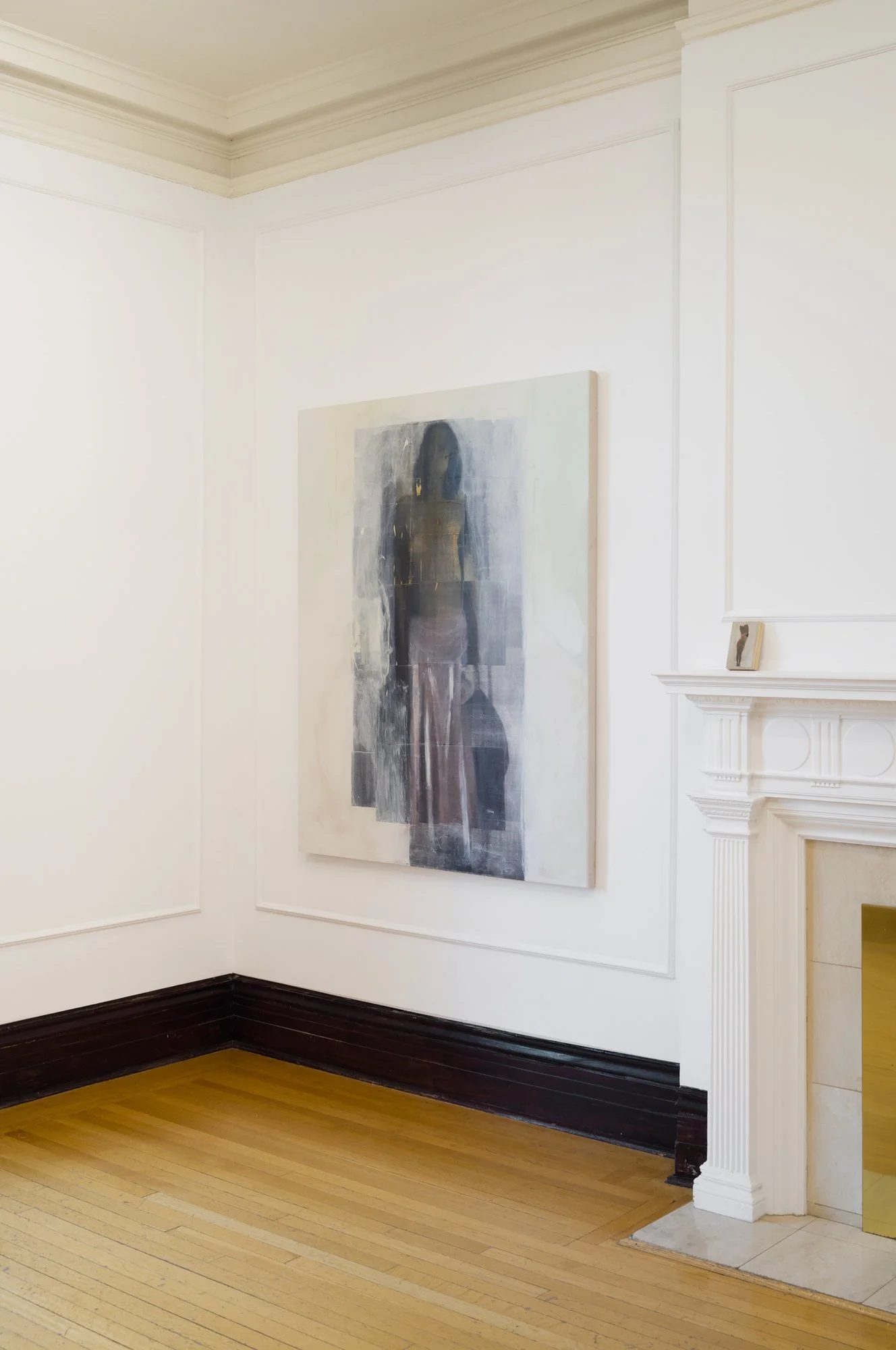
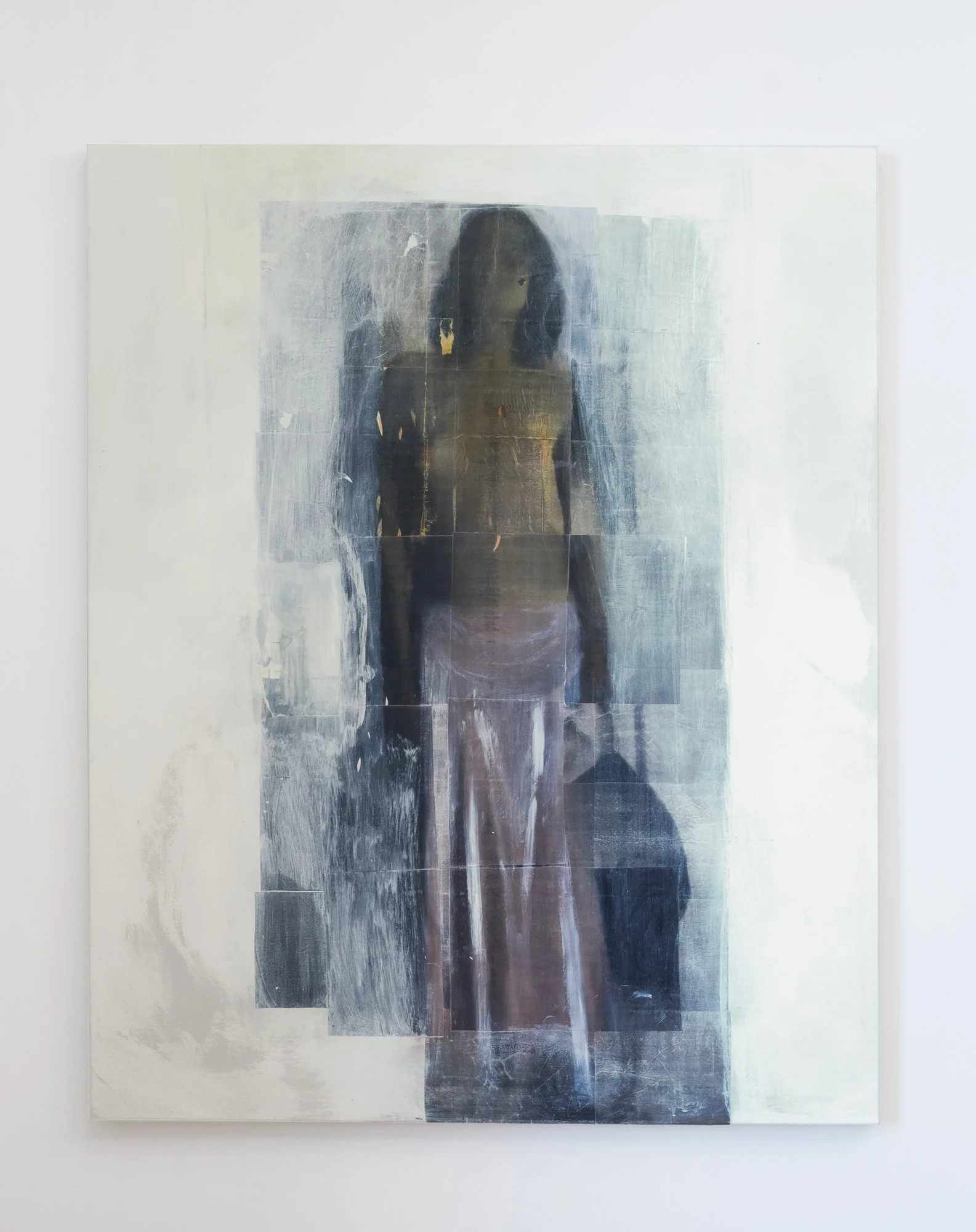
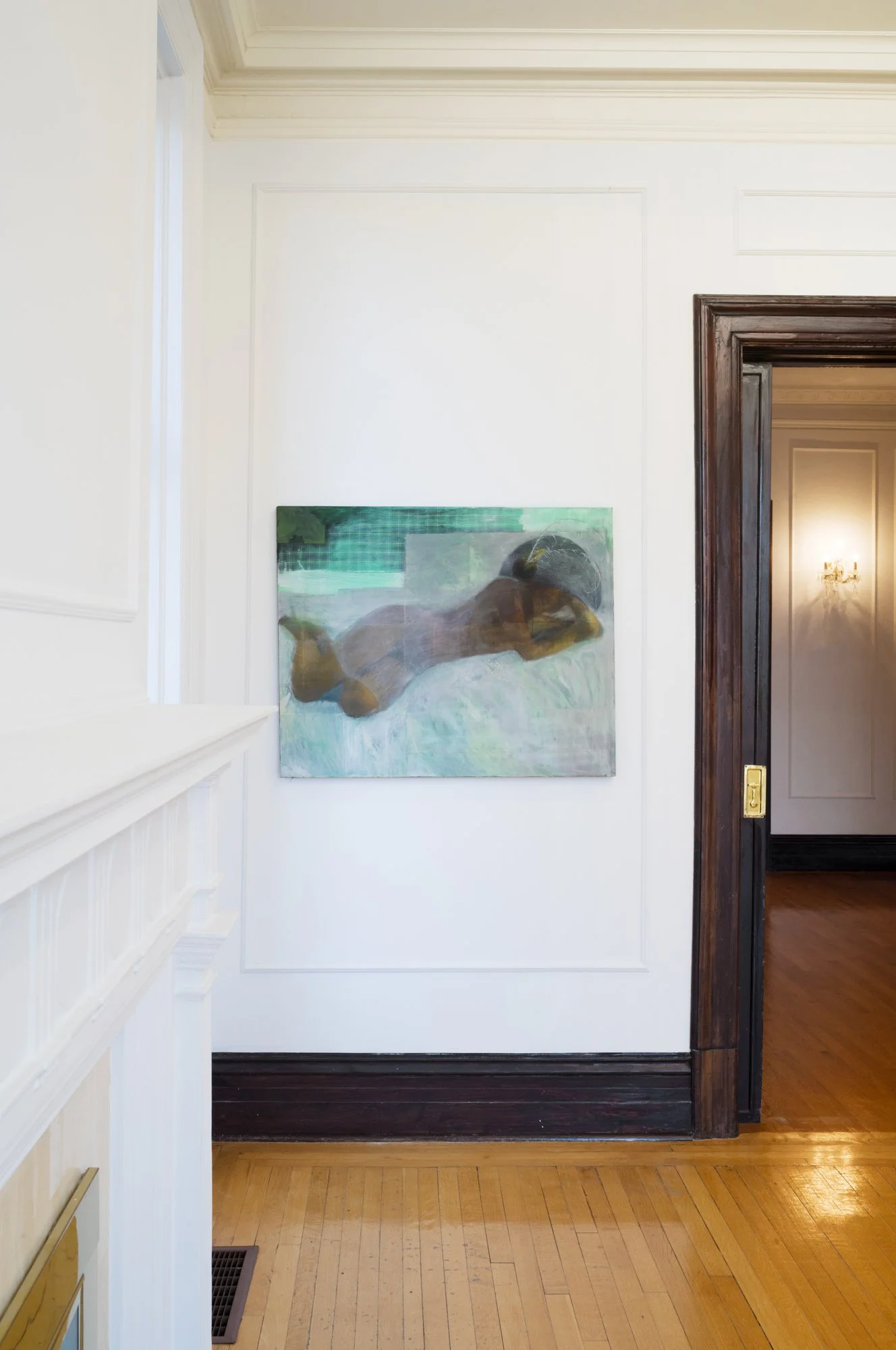
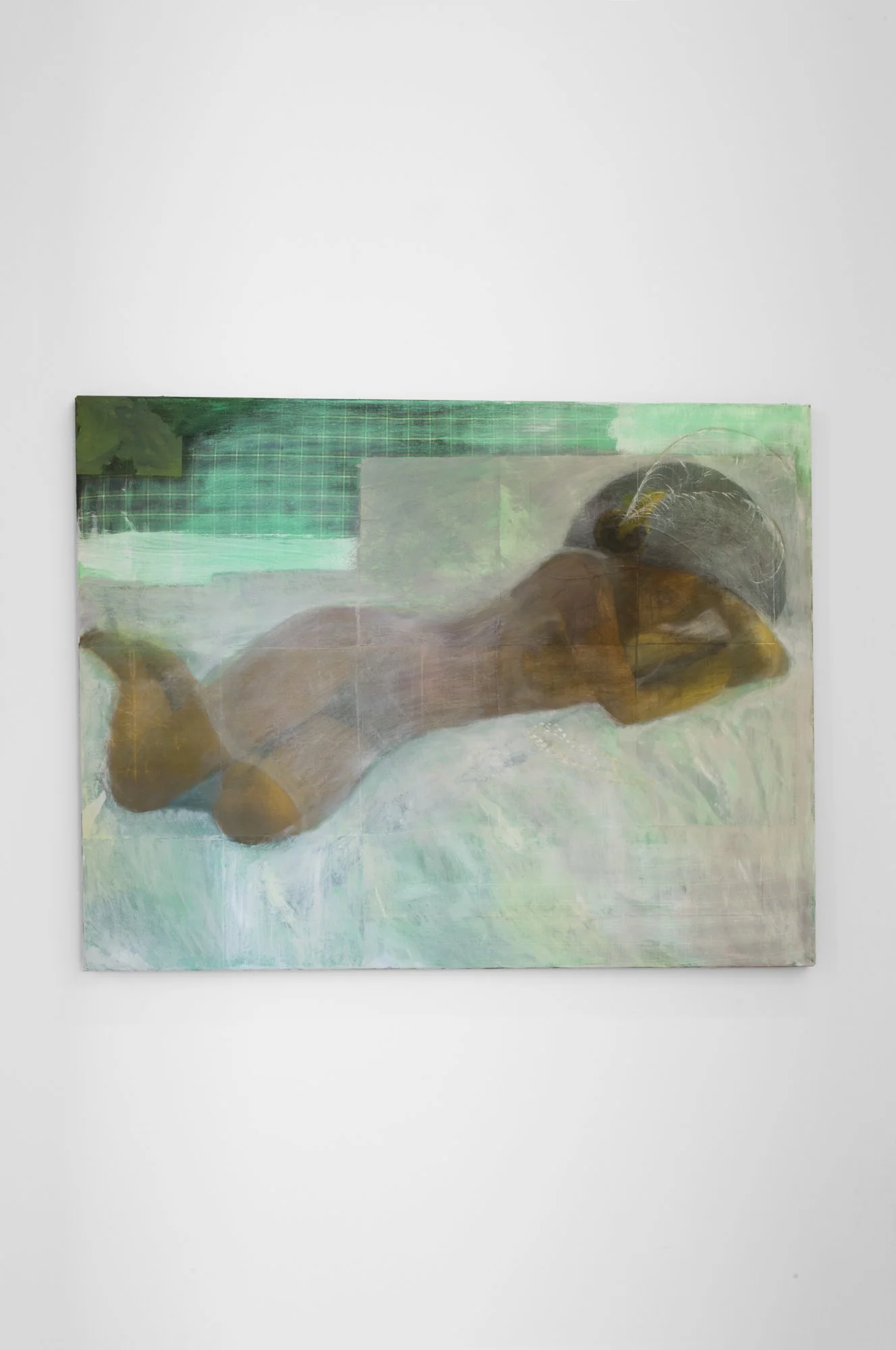
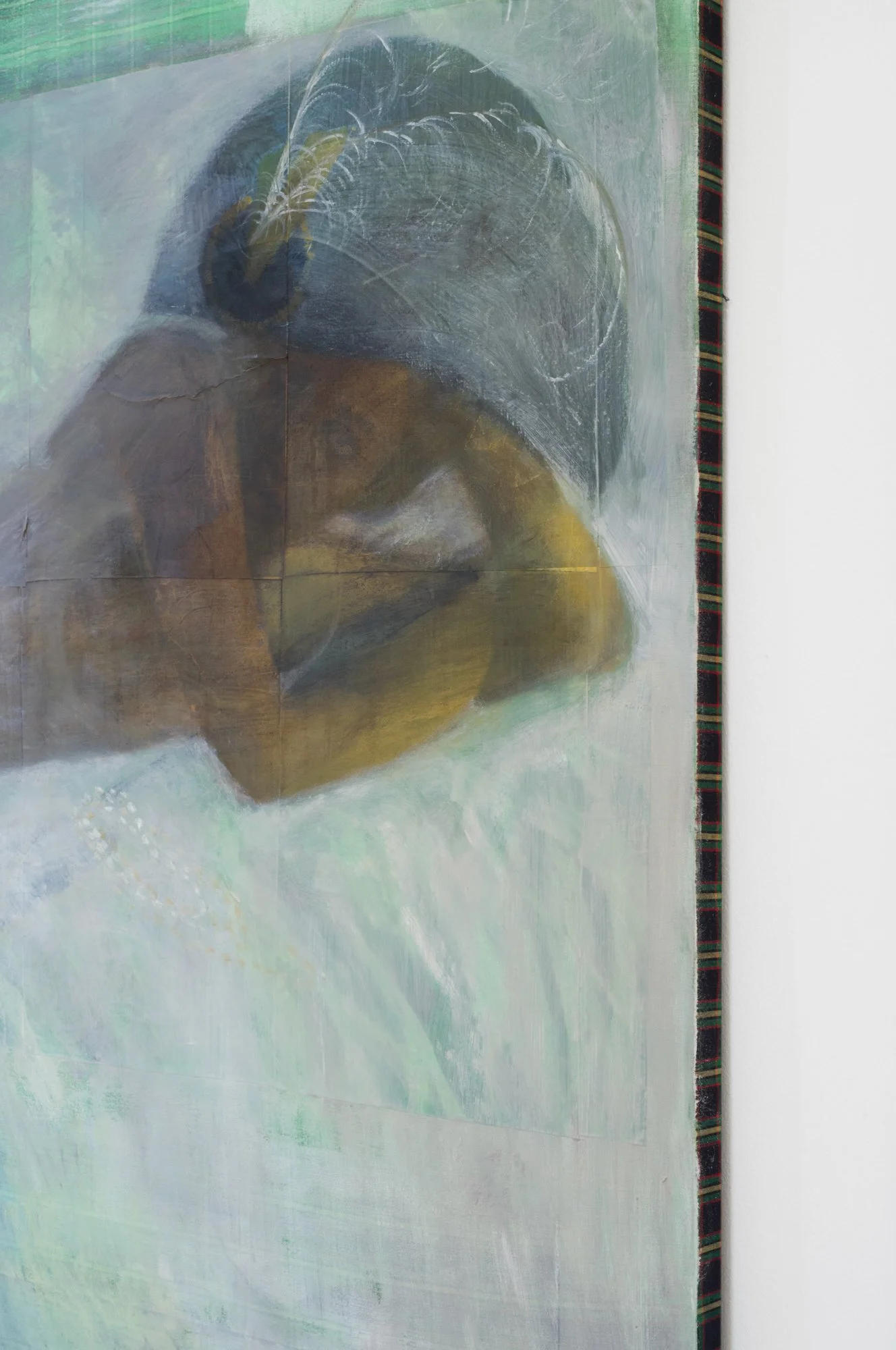
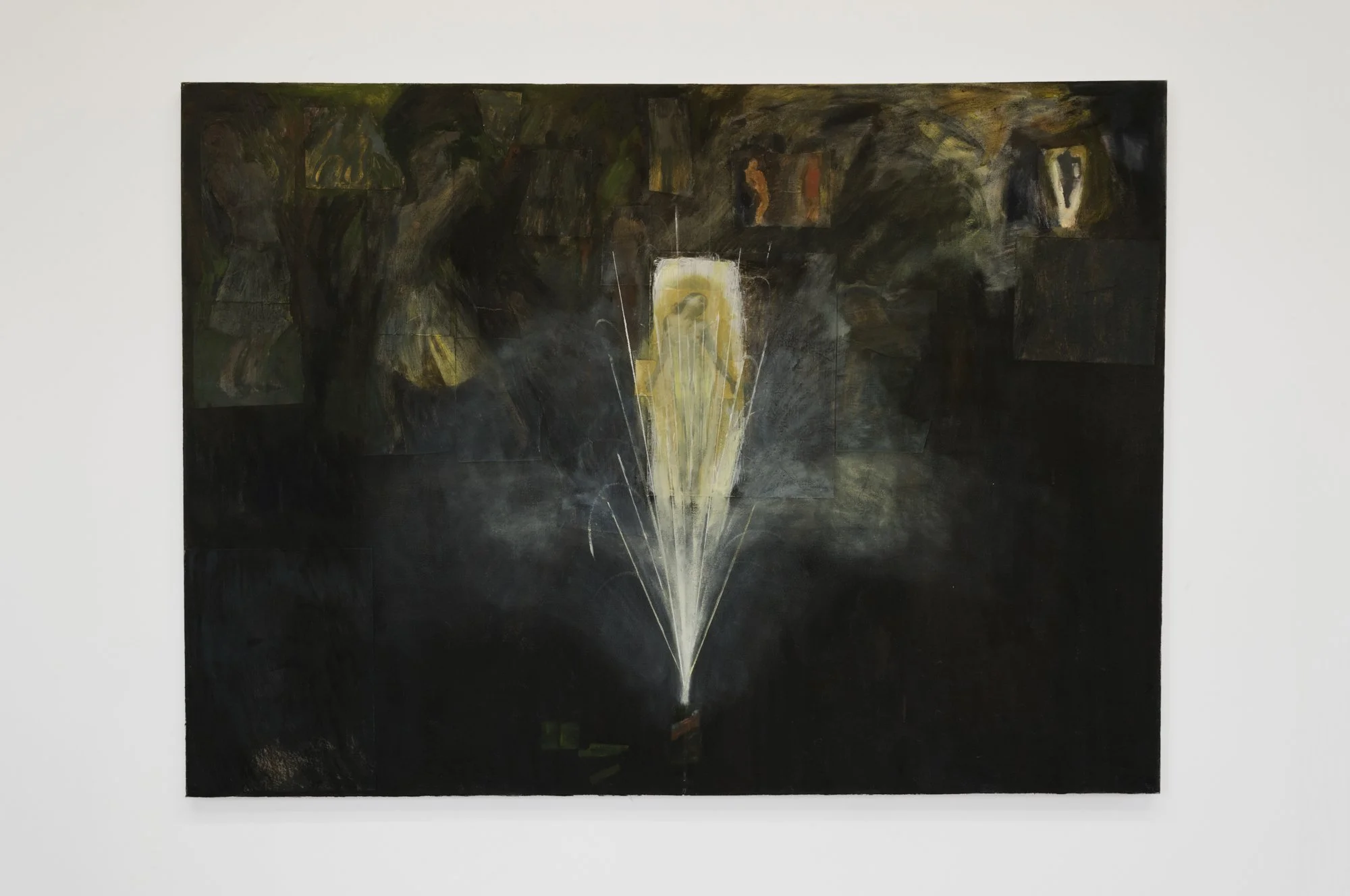
Accompanying the paintings of desirous things are scenes of people brawling and of people dancing, depicting the elision of mass behavioural indulgences. They are the creatures who exist in Sachi’s illustrated world of simultaneous strife, pleasure, and plenty. We find her amongst them. To create such group scenes, Sachi fixes a camera in position and moves about the room, placing and posing herself to populate an imagined scene within a single perspective. The photos are then collaged onto Sachi’s canvas and painted over, sometimes obscuring her own image, sometimes revealing it, but always in the pursuit of an enactment of and metamorphosis into others rather than self-portraiture. Sachi wears a feather-plumed hat and a mass of furs not as a model but as a mirror.
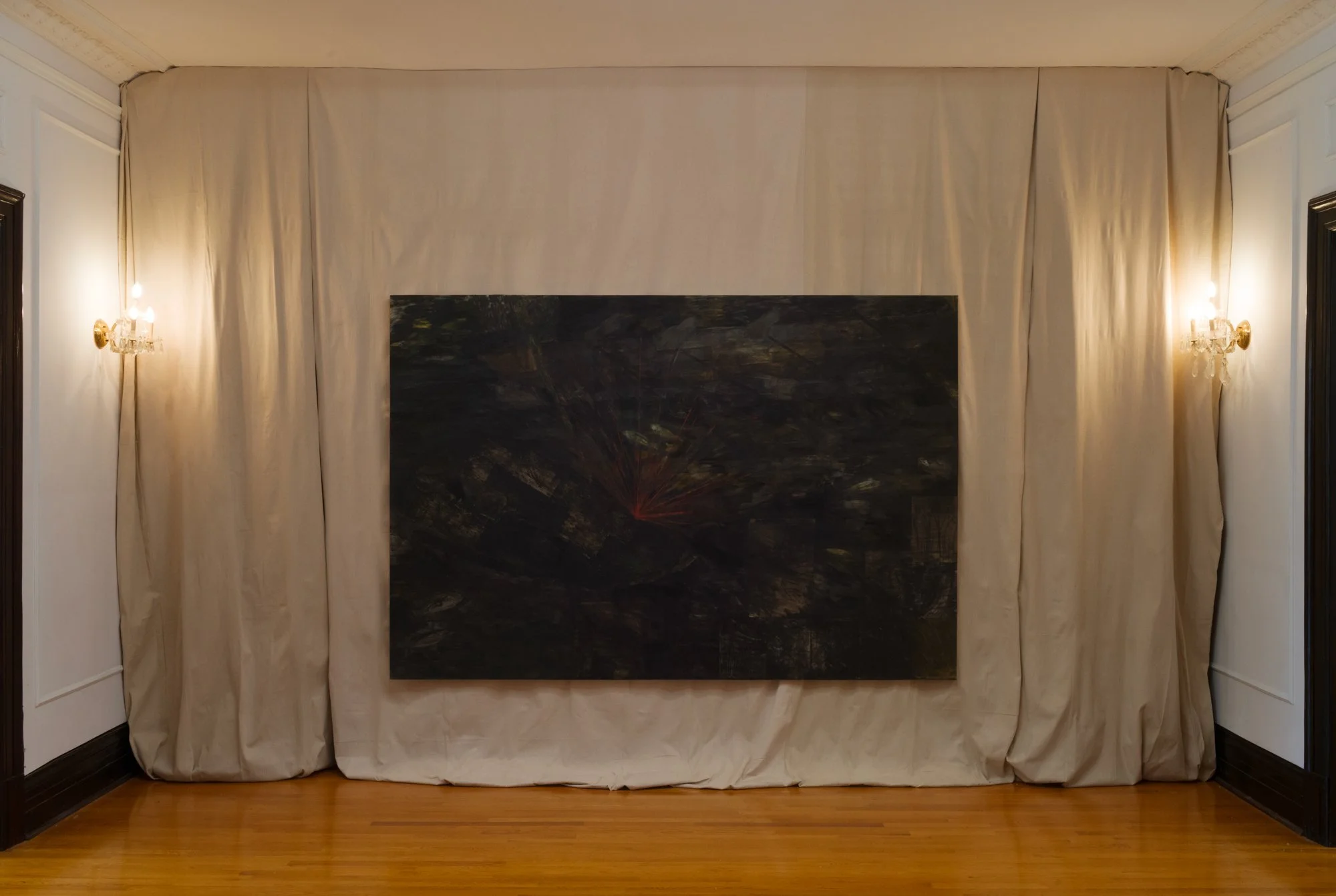
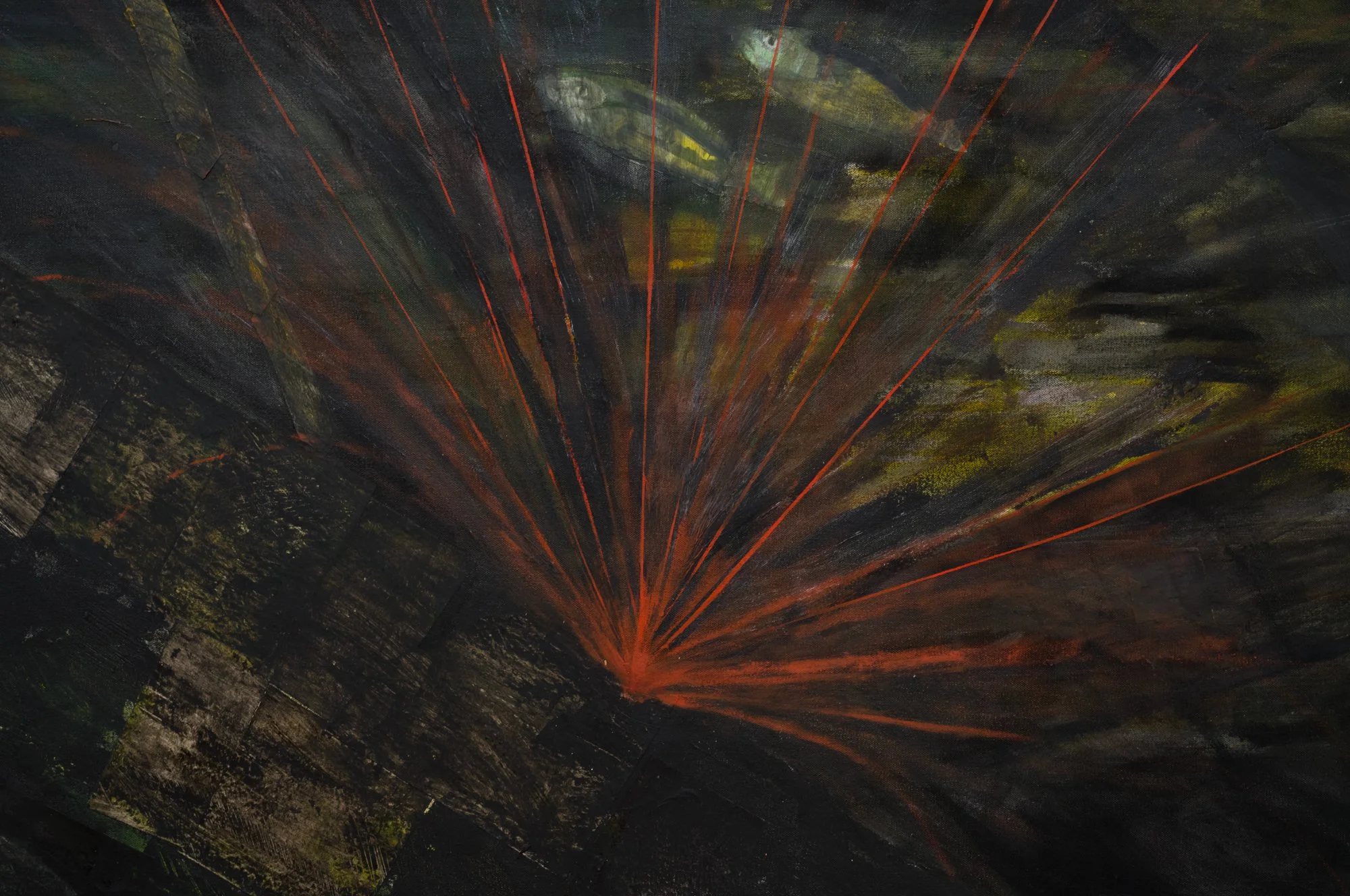
In last great american whale, figuration is reduced to disembodied, floating hands that are propelling a whaleboat. The body is inferred and in reference to Fra Angelico’s The Mocking of Christ (1439–1443), in which four hands and a head float in menace around a blindfolded Christ. The menace is over in Sachi’s work, the whale fatally harpooned, marked by blood emerging from its blowhole in a violent and stunning final burst. The whale is now severed from its sea’s truth [1], its blubber soon to be cut into “bible leaves” [2] and melted into oil, made ready for the big city and for all its creatures uttering their complaints.
— Clara May Puton
1. Pablo Neruda, “Ode to a Large Tuna in the Market,” translated by Robin Robertson.
2. Herman Melville, Moby-Dick, (1851), Chapter 95, "The Cassock." The term "bible leaves"refers to sailors cutting thin slices of whale blubber, resembling pages of a book, in order to increase the blubber's surface area, thus boiling it into oil more efficiently aboard whaling ships. -
India Sachi (b. 2000, New York, USA) is a New York–based artist and graduate of the Rhode Island School of Design. Working between painting and photography, her practice explores the intersections of visuality and the body through fabulative narratives that interweave personal and collective memory. Drawing on mythology, beauty, the natural world, and art history, Sachi constructs image-worlds that hover be- tween intimacy and fiction. Her work has been presented at Upstairs Art Fair, Paris; Carrie Haddad Gallery, Hudson; La- Force, New York; Palo Gallery, New York; Colbo, New York; and at the Dallas Art Fair.